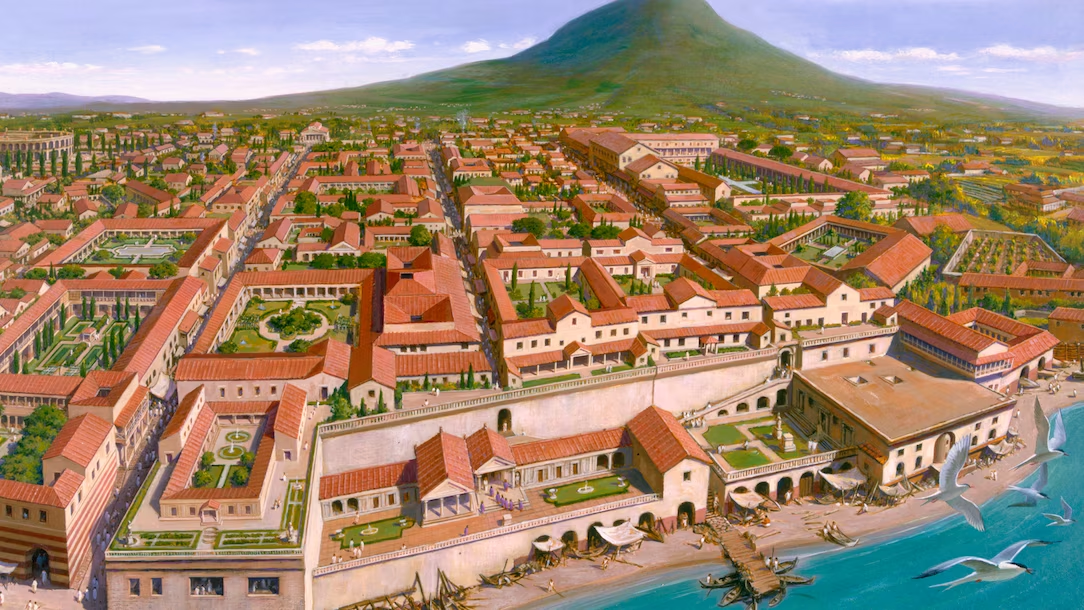
Pompeii, located near Naples in Italy, is one of the most fascinating archaeological sites in the world. Buried under layers of volcanic ash after the catastrophic eruption of Mount Vesuvius in 79 AD, the city remained frozen in time for centuries. The sudden eruption preserved buildings, streets, artwork, and even human forms, offering a unique window into ancient Roman life.
Walking through the ruins of Pompeii, visitors can see homes, baths, temples, theaters, and marketplaces almost exactly as they were nearly two thousand years ago. This city tells a story of daily life, ambition, art, and tragedy. Visiting Pompeii is not just a sightseeing trip; it is an immersive historical experience where every stone, fresco, and artifact has a story to tell.1. Iconic Sights in Pompeii
The Amphitheatre
The Pompeii Amphitheatre is one of the oldest surviving Roman arenas, capable of seating around 20,000 spectators. Gladiator fights, theatrical performances, and public events entertained the citizens here. The structure provides a glimpse into the Roman love for entertainment and public gatherings, and walking through its arches evokes the energy of a bustling city long gone.
The Forum
The Forum was the political, religious, and commercial heart of Pompeii. It hosted markets, political assemblies, religious ceremonies, and civic events. Surrounding the Forum are temples, basilicas, and administrative buildings. Exploring this area gives visitors a clear sense of how organized and vibrant Roman urban life was.
The Garden of the Fugitives
This site contains plaster casts of victims who perished during the eruption. The casts capture the final moments of life, creating a haunting and deeply emotional connection to the people who lived here. It is a powerful reminder of the sudden tragedy that befell Pompeii.
Villa of the Mysteries
The Villa of the Mysteries, located on the outskirts of Pompeii, is renowned for its stunning frescoes that depict mysterious initiation rites. The vivid artwork offers insight into Roman religious practices and domestic luxury, showcasing the artistic and cultural sophistication of the time.
House of the Centenary
This was one of Pompeii’s most luxurious residences, complete with private baths, elaborate frescoes, and intricate mosaics. It even contains one of the earliest depictions of Mount Vesuvius. Visiting this house allows travelers to understand the lifestyle of Pompeii’s elite citizens.
Stabian Baths
Public baths were central to Roman daily life, serving both hygienic and social functions. The Stabian Baths are among the oldest and most extensive in Pompeii, featuring hot and cold baths, changing rooms, and exercise areas. They offer a fascinating glimpse into Roman engineering and social customs.
Theatres
Pompeii contains two theatres: the large amphitheatre for gladiatorial events and a smaller theatre for musical and dramatic performances. These spaces illustrate the cultural importance of art, drama, and entertainment in Roman society.2. Practical Tips for Visiting Pompeii
Plan Your Visit Carefully
Pompeii is expansive. A focused visit to the main highlights can take 3–5 hours, while exploring the entire site thoroughly could require a full day. Planning ahead ensures you don’t miss key sights.
Wear Comfortable Shoes
The streets are cobblestoned and uneven, so sturdy, closed-toe shoes are essential for comfort and safety. Walking long distances over ancient stones can be challenging without proper footwear.
Stay Hydrated and Protected
Sun exposure can be intense. Bring water, wear sunscreen, and carry a hat or sunglasses. Rest in shaded areas when possible to enjoy the visit without discomfort.
Respect the Archaeology
Pompeii is a priceless historical site. Avoid touching frescoes, stepping on fragile structures, or removing artifacts. Preservation depends on responsible visitor behavior.
Consider a Guide
Hiring a knowledgeable guide can dramatically enhance your visit. Guides provide historical context, stories, and cultural insights that transform a walk through ruins into a deeper understanding of Roman life.3. Immersive Experiences
Walk the Ancient Streets
Strolling through Pompeii’s streets allows visitors to imagine daily life. You can see shops, bakeries, and even graffiti on walls, offering a personal glimpse into the lives of ordinary Romans.
Explore the Houses
Many houses in Pompeii, like the House of the Faun or the House of the Vettii, feature frescoes, mosaics, and intricate designs that reveal Roman tastes in art and luxury. Each residence tells a story of the family who lived there.
Visit the Temples
Pompeii was a city devoted to religion. Temples dedicated to Jupiter, Apollo, and Venus highlight Roman devotion to gods and goddesses. These sacred spaces provide insight into spiritual life and public ceremonies.
Discover Local Art
Frescoes and mosaics found throughout Pompeii depict mythological scenes, everyday life, and nature. They illustrate the Romans’ love for beauty and detail, and their desire to document their world artistically.
Nearby Excursions
While Pompeii is the main attraction, nearby sites like Herculaneum and Mount Vesuvius provide complementary experiences. Exploring these areas gives a broader understanding of the eruption’s impact and the region’s history.
4. Practical Tips for Travelers
-
Timing: Early morning visits are best to avoid crowds and heat.
-
Food: Bring snacks and water; there are some cafes outside central ruins.
-
Accessibility: Pompeii has uneven terrain; plan for limited mobility if needed.
-
Photography: Allowed in most areas; avoid using flash on fragile frescoes.
-
Souvenirs: Look for local crafts and historical books to remember your visit.
Read More: 5 Perfect Days in Paris: A Complete Itinerary
Conclusion
Pompeii is a journey through time. It offers an unparalleled glimpse into ancient Roman life, capturing both the grandeur and the tragedy of a society frozen in an instant. Walking through the streets, visiting villas, and observing public spaces allows travelers to experience the rhythm of daily life nearly two thousand years ago. The emotional impact of sites like the Garden of the Fugitives reminds us that history is not just about artifacts but about the people who lived, loved, and worked within these walls.
Pompeii is not only an archaeological treasure but also a storybook of human civilization, resilience, and vulnerability. To visit Pompeii is to step into a living classroom of history, art, and culture. With careful planning, respect for the site, and a curious mind, every visitor can leave with a deeper appreciation of the Romans’ enduring legacy and the fragility of life in the face of nature’s power.
FAQs
1. What are the must-see places in Pompeii?
The Amphitheatre, Forum, Villa of the Mysteries, House of the Centenary, Garden of the Fugitives, and Stabian Baths are the top sites to explore.
2. How long should I spend in Pompeii?
A visit to see the main highlights takes 3–5 hours, but a full day is ideal for in-depth exploration.
3. Should I hire a guide?
Yes. A knowledgeable guide provides historical context, stories, and cultural insights, enhancing the experience significantly.
4. What should I wear?
Wear comfortable, sturdy shoes for walking, and dress for sun protection with hats, sunglasses, and sunscreen.
5. Are there places to eat inside Pompeii?
There are cafes near the main entrances, but it’s wise to carry water and light snacks for a longer visit.