Category:

Blog

Best Travel Deal Sites to Save Big on Trips

It’s not just about cheap prices. A great travel platform helps you find value, not just low numbers.

Here’s what separates average booking sites from top-tier ones:

  • Flexible date search to catch cheaper travel days

  • Price alerts that notify you when fares drop

  • Multi-airline and hotel comparisons in one place

  • Clear fees and cancellation policies

  • Bundle savings on flights + hotels or car rentals

  • Reliable customer support when plans change

If a site only shows prices without tools to analyze trends, you’re gambling — not planning.

The Leading Types of Travel Deal Platforms

Instead of focusing on one brand, it’s smarter to understand the types of sites that deliver strong value.

1. Flight Comparison Engines

These platforms scan hundreds of airlines and booking agencies at once. They’re excellent for uncovering hidden fare combinations and alternate routes.

2. Package Deal Specialists

Great for vacations, these bundle airfare, hotels, and sometimes activities — often unlocking discounts you wouldn’t get booking separately.

3. Hotel Aggregators

Perfect for accommodation-only searches. Many offer last-minute discounts and loyalty perks.

4. Deal Curators

These focus on mistake fares, flash sales, and limited-time travel offers. Ideal for flexible travelers.

How to Actually Find the Lowest Travel Prices

Even the most powerful site won’t help if you search the wrong way.

Smart tactics seasoned travelers use:

  • Search in incognito mode to avoid dynamic pricing

  • Compare nearby airports (sometimes a 1-hour drive saves $150)

  • Fly midweek instead of weekends

  • Book international flights 2–4 months ahead

  • Use price tracking tools before purchasing

I once saved nearly the cost of an extra hotel night just by shifting my departure by one day — and that small tweak changed the entire budget math.

Travel Deal Strategy: A Practical Illustration

Imagine a family planning a 5-day trip from New York to Orlando for a theme park vacation.

If they book everything separately:

  • Flight: $350 per person

  • Hotel: $180 per night

  • Rental car: $55 per day

Total = $2,200+

But using a vacation bundle platform:

  • Flight + hotel package discount applied

  • Free airport shuttle included

  • Rental car added at a reduced rate

New total = $1,780

Same trip. Different strategy. Big savings.

Comparing Popular Travel Deal Platforms

Here’s how major types stack up when searching for travel bargains:

Feature Flight Comparison Sites Package Deal Sites Hotel Aggregators Deal Alert Sites
Best For Airfare savings Full vacations Accommodation Flash discounts
Flexibility Tools Excellent Moderate Good Limited
Price Alerts Yes Sometimes Yes No
Hidden Fee Transparency Varies Good Good Varies
Last-Minute Deals Rare Good Excellent Excellent
Ideal Traveler Budget flyers Families & couples City travelers Flexible adventurers

No single option dominates every category — that’s why seasoned travelers use two or three together.

Why One Site Alone Isn’t Enough

The idea of a single “ultimate” platform is appealing but unrealistic. Airlines change pricing rules, hotels run exclusive promos, and booking sites negotiate different deals.

The smarter approach:

  1. Start with a flight comparison engine for route research

  2. Check a bundle deal site for package discounts

  3. Look at a hotel-specific platform for loyalty or last-minute offers

  4. Monitor a deal alert service if your dates are flexible

This layered method consistently reveals prices others miss.

Signs You’ve Found a Good Deal (Not Just a Cheap One)

Low price doesn’t always mean good value.

Check these before booking:

  • Baggage included or extra fee?

  • Refundable or locked in?

  • Layover length reasonable?

  • Hotel location convenient?

  • Taxes and service fees shown upfront?

A slightly higher price with fewer restrictions often saves more in the long run.

The Hidden Advantage Most Travelers Ignore

The biggest savings don’t come from the site itself — they come from timing + flexibility.

Websites with fare calendars, trend graphs, and alert systems give you insight into when to buy. That information is often more valuable than a coupon code.

Travel platforms that show historical pricing patterns empower you to book confidently instead of guessing.

Common Mistakes People Make

Even experienced travelers slip up.

Avoid these:

  • Booking the first “deal” you see

  • Ignoring cancellation rules

  • Skipping package comparisons

  • Not checking mobile-app-only discounts

  • Forgetting currency conversion fees

A five-minute comparison can save hundreds.

Read More: Maldives on a Budget: Paradise Without Breaking Bank

Conclusion

The best site for travel deals isn’t a single name — it’s a strategy built around smart comparison, flexible planning, and the right tools. Flight search engines uncover routes, vacation packages unlock bundle discounts, hotel platforms offer room savings, and deal alerts catch rare steals.

Use them together, stay flexible, and focus on value rather than just the lowest number. That’s how experienced travelers consistently spend less and travel more.

FAQs

What is the best time to book flights for cheap prices?

Typically 1–3 months before domestic travel and 2–4 months for international trips, though price alerts help pinpoint exact drops.

Are package deals really cheaper?

Often yes — airlines and hotels offer discounted rates when bundled because it guarantees occupancy.

Do travel deal sites add hidden fees?

Some do. Always review baggage costs, resort fees, and taxes before checkout.

Is it safe to book through third-party travel sites?

Yes, but choose reputable platforms and check cancellation policies carefully.

How can I track airfare price drops?

Use fare alert tools offered by flight comparison websites to receive notifications when prices change.

0 comments
0 FacebookTwitterPinterestEmail
Maldives on a Budget: Paradise Without Breaking Bank

When most people think of the Maldives, images of overwater villas, private beaches, and luxury resorts immediately come to mind. Truth be told, the Maldives has a reputation for being one of the most expensive travel destinations in the world. But here’s the secret: you don’t need to break the bank to experience its turquoise waters, vibrant marine life, and stunning sunsets. Traveling the Maldives on a budget is not only possible—it can be incredibly rewarding and authentic.

Why the Maldives Doesn’t Have to Be Expensive

One of the biggest myths about the Maldives is that luxury is the only way to experience it. While five-star resorts and private islands dominate travel brochures, the country has a growing number of guesthouses, local hotels, and budget-friendly activities. By focusing on local islands rather than resort islands, you can experience the same crystal-clear lagoons and palm-lined beaches for a fraction of the price.

I remember my first trip to the Maldives, staying on Maafushi Island. Instead of a $1,000-per-night villa, I paid just $60 a night in a cozy guesthouse, woke up to ocean views, and spent my days snorkeling in waters that rivaled any luxury resort. The experience felt intimate, adventurous, and far more real.

Where to Stay on a Budget

Budget accommodations in the Maldives have grown tremendously in recent years. Most affordable stays are on inhabited local islands where tourism is regulated but accessible. Here are some popular budget-friendly islands:

  • Maafushi: Known as the pioneer in budget tourism, Maafushi offers guesthouses, homestays, and small boutique hotels. Perfect for travelers who want activities like snorkeling, diving, and sandbank excursions without spending a fortune.

  • Dhigurah: A peaceful, less crowded island, ideal for travelers seeking a more relaxed vibe with budget accommodations near beautiful beaches.

  • Thulusdhoo: Famous for surfing, Thulusdhoo also has affordable guesthouses and a thriving local culture.

Accommodation Price Comparison

Island Budget Guesthouse (per night) Mid-range Hotel (per night) Luxury Resort (per night)
Maafushi $50–$80 $150–$250 $800+
Dhigurah $40–$70 $120–$200 $900+
Thulusdhoo $35–$60 $100–$180 $750+

This table highlights how staying on local islands can save you hundreds of dollars while still giving you incredible experiences.

Affordable Ways to Eat and Drink

Food is another area where budget travelers can save. Instead of dining at resort restaurants, consider local cafés and eateries, known as “hotaa”, where meals range from $3–$10. Fresh seafood is abundant, and you can try traditional dishes like mas huni (tuna with coconut) or garudhiya (fish soup) at local prices.

Pro tip: Buy snacks, water, and drinks at local shops rather than in tourist-heavy zones—prices can differ drastically.

Transport Without Breaking the Bank

Transportation is often one of the trickiest aspects of budget travel in the Maldives. Luxury resorts rely on speedboats or seaplanes, which can cost $200–$500 per trip. Budget travelers, however, have cheaper alternatives:

  • Public Ferries: Connect major islands and cost as little as $2–$15 depending on the route.

  • Speedboat Transfers via Guesthouses: Many guesthouses arrange transfers for $20–$50 per person.

  • Local Buses and Bikes: Once on the island, bikes and small local buses are perfect for exploring without extra cost.

Activities That Don’t Cost a Fortune

The Maldives is synonymous with water activities, and the good news is you don’t have to spend hundreds to enjoy them.

  1. Snorkeling: Many islands have rental shops offering masks and fins for $5–$10. Coral reefs and colorful fish are often just a short swim from the shore.

  2. Island Hopping: Join group tours for $25–$40 instead of private excursions. You’ll visit multiple islands, sandbanks, and uninhabited spots.

  3. Surfing and Paddleboarding: Rent boards locally for reasonable prices. Even beginner lessons are affordable compared to resort rates.

  4. Sunset Watching and Beach Picnics: Free and magical. Bring your own snacks and enjoy the vibrant sky over the Indian Ocean.

Practical Expense Guide for Visiting the Maldives Affordably

Let’s take a week-long trip to Maafushi as an example:

  • Accommodation (7 nights in a guesthouse): $420

  • Food (3 meals/day): $21/day → $147

  • Activities (snorkeling, island hopping, bike rental): ~$120

  • Transport (ferries, transfers): ~$80

Total: ~$767 for 7 days—a far cry from the $3,000+ you’d spend in a luxury resort. Not only do you save money, but you also get a more immersive experience with the local culture.

Insider Tips for Saving Money

  • Travel Off-Season: May–October has fewer tourists and lower rates. The weather may include some rain, but it’s usually short-lived showers.

  • Book in Advance: Guesthouses often give early bird discounts.

  • Combine Tours: Many operators offer packages for snorkeling, sandbanks, and island hopping, which are cheaper than booking individually.

  • Stay Longer on Fewer Islands: Reduces transport costs and allows you to really explore each island.

Read More: Where to Stay in Austin: Top Neighborhoods & Hotels Meta Description (150 characters): Discover the best areas and

Conclusion

Experiencing the Maldives on a budget is entirely achievable with the right planning. By choosing local islands, affordable guesthouses, public transport, and simple activities, you can enjoy this tropical paradise without financial stress. You’ll gain not only breathtaking views and ocean adventures but also an authentic glimpse into Maldivian life that luxury resorts often miss.

The Maldives isn’t just for the wealthy; it’s for any traveler willing to explore smartly, savor the culture, and embrace simplicity.

FAQs

Q1: Is it safe to stay on local islands instead of resorts?
Yes, local islands are safe, and tourism is heavily regulated. Most islands have police presence, and guesthouses follow safety standards.

Q2: Can I snorkel without a guided tour?
Absolutely. Many islands have coral reefs close to the shore. Renting your own equipment is inexpensive, and you can snorkel independently.

Q3: How do I reach the Maldives affordably?
Look for flights to Malé on budget airlines, and then take public ferries or guesthouse-arranged speedboats to your destination island.

Q4: Do I need a visa to visit?
Most nationalities receive a free 30-day tourist visa on arrival. Always check the latest regulations before travel.

Q5: When is the best time to visit on a budget?
The off-season (May–October) offers lower accommodation prices and fewer crowds. Expect some rain, but typically it’s only brief showers.

0 comments
0 FacebookTwitterPinterestEmail
Where to Stay in Austin: Top Neighborhoods & Hotels Meta Description (150 characters): Discover the best areas and

Austin, Texas, isn’t just the state capital—it’s a vibrant city bursting with live music, food trucks, historic landmarks, and a unique blend of urban and outdoor adventures. Whether you’re visiting for a weekend getaway, a business trip, or an extended stay, choosing where to stay in Austin can make all the difference in your experience. From bustling downtown streets to laid-back neighborhoods, Austin offers accommodations for every type of traveler.

Understanding Austin’s Neighborhoods

Austin is a city of diverse districts, each with its own personality. Knowing the vibe of each area helps you decide where to base yourself. Here’s a quick rundown of some of the most popular neighborhoods:

  • Downtown: Perfect for nightlife, live music, and iconic landmarks. Walkable streets, rooftop bars, and a mix of boutique hotels and luxury stays.

  • South Congress (SoCo): Trendy, artsy, and filled with unique shops, food trucks, and colorful murals. Ideal for travelers seeking a creative, local experience.

  • East Austin: Hip, culturally diverse, and known for its murals, craft breweries, and eclectic dining. Great for adventurous foodies and urban explorers.

  • Zilker/ Barton Springs: Close to outdoor attractions like Zilker Park and Barton Springs Pool. Ideal for nature lovers and families.

  • Hyde Park / North Loop: Quaint, residential feel with local cafes and vintage shopping. Perfect for a quieter stay away from the bustle.

Hotels vs. Vacation Rentals: What Works Best?

Choosing where to stay in Austin often comes down to preference and budget. Here’s a comparison to help guide your decision:

Feature Hotels Vacation Rentals
Cost Varies; mid-range to luxury Often more affordable for groups or longer stays
Privacy Standard privacy More space, kitchens, and amenities for families
Location Central, walkable Can be anywhere in the city, sometimes quieter areas
Amenities Pools, gyms, concierge Full kitchens, laundry, unique spaces
Ideal For Solo travelers, couples, business trips Families, groups, long-term stays

Best Areas for First-Time Visitors

For first-time visitors, Downtown Austin is usually the best bet. You’ll be steps away from Congress Avenue, Lady Bird Lake, and the live music scene. I stayed here during my first visit, and it made exploring so easy—I could walk to almost every major attraction without worrying about parking or traffic.

If you prefer a more authentic, local vibe, South Congress and East Austin are excellent choices. They offer boutique hotels, charming Airbnb options, and a scene that feels uniquely Austin. You can spend your mornings sipping coffee at a local café, afternoons exploring street art, and evenings enjoying live music without venturing far.

Luxury Stays vs. Budget Options

Austin caters to all budgets. Here’s a snapshot of what to expect:

  • Luxury: The Four Seasons and The Driskill Hotel downtown offer premium amenities, rooftop pools, and historic charm. Perfect for travelers who want pampering and prime location.

  • Mid-Range: Hotels like Hyatt Place Downtown or Kimpton Hotel Van Zandt provide comfort and style without breaking the bank.

  • Budget-Friendly: Chains like Holiday Inn Express or Airbnb apartments in East Austin and North Loop give you functional, affordable accommodations while keeping you close to attractions.

Real-World Impacts of Gaming Trends

Imagine you’re visiting Austin for the annual SXSW festival. Staying downtown is ideal because it keeps you within walking distance of music venues, panels, and restaurants. However, if your budget is tight, a short Lyft ride from East Austin or SoCo neighborhoods may save you money while still offering quick access to festival events. Understanding the city’s layout and planning based on your priorities—entertainment, budget, or family-friendly amenities—can turn a good stay into a great one.

Unique Value: Staying Like a Local

What makes Austin special isn’t just the hotels or Airbnb rentals—it’s the experience of the neighborhoods themselves. Choosing to stay in a local-focused area like East Austin or South Congress gives you an opportunity to:

  • Explore hidden eateries and food trucks not in tourist guides.

  • Experience Austin’s music scene in intimate venues.

  • Discover street art and local markets that define the city’s character.

Even if you’re in Austin for just a weekend, picking a neighborhood with a strong local identity ensures your trip feels authentic rather than rushed or commercialized.

Tips for Booking Your Stay

  1. Book early for festivals and peak seasons: Austin is busy during SXSW, Austin City Limits, and spring break. Early reservations secure better rates.

  2. Consider transportation: Downtown stays are walkable, but other areas might require a car or rideshare.

  3. Read reviews carefully: Pay attention to cleanliness, location, and amenities.

  4. Balance cost and experience: Sometimes spending a little more for location or unique experiences adds value beyond the nightly rate.

Read More: Discover the Best Travel Books That Inspire Adventure

Conclusion

Choosing where to stay in Austin is more than just picking a hotel—it’s about deciding how you want to experience the city. Downtown offers convenience and nightlife, South Congress and East Austin provide a trendy, local vibe, and neighborhoods like Hyde Park or Zilker offer a peaceful escape with easy access to outdoor attractions. Whether you prefer a luxury hotel, a budget-friendly Airbnb, or a boutique property with character, Austin’s diverse neighborhoods have something for every traveler.

The right location can transform your trip, turning ordinary sightseeing into memorable adventures filled with culture, music, food, and Texas charm.

FAQs

Q1: What is the best neighborhood to stay in Austin for nightlife?
Downtown Austin is ideal for nightlife, offering bars, live music venues, and easy walking access to major attractions.

Q2: Where should families stay in Austin?
Zilker and Barton Springs areas are family-friendly with parks, outdoor activities, and calmer accommodations.

Q3: Is it better to book a hotel or an Airbnb in Austin?
Hotels offer convenience and amenities, while Airbnbs provide more space, kitchens, and a local experience. Your choice depends on priorities.

Q4: Which area is best for first-time visitors?
Downtown and South Congress are perfect for first-time visitors due to central location and walkability to iconic sites.

Q5: When is the best time to visit Austin?
Spring (March-May) and fall (September-November) are ideal due to pleasant weather and fewer crowds compared to festival seasons.

0 comments
0 FacebookTwitterPinterestEmail
Discover the Best Travel Books That Inspire Adventure

Travel isn’t just about packing a bag and hopping on a plane. Sometimes, the best journeys start in the comfort of your own home, with a book in hand. The best travel books transport readers to distant lands, immerse them in new cultures, and ignite the wanderlust that lies dormant in all of us. Whether you’re planning your next adventure or simply dreaming of places far away, these books offer inspiration, guidance, and stories that linger long after the last page is turned.

Why Travel Books Are Essential

Travel books go beyond itineraries and guidebooks. They capture the essence of a place: the sights, the sounds, the flavors, and the people. Reading about someone else’s journey can be as transformative as taking a trip yourself. A well-written travel book doesn’t just describe; it immerses you in an experience.

I remember reading a travel memoir about hiking in Patagonia, and I felt the icy wind on my face and the crunch of snow beneath my boots — all from my armchair. That’s the power of a great travel book.

Types of Travel Books

Not all travel books are created equal. Understanding the types helps you choose one that suits your interests:

  1. Memoirs and Personal Journeys: Stories of individuals navigating the world, offering reflection, insight, and adventure.

  2. Guidebooks: Practical, structured guides for planning trips, complete with maps, tips, and cultural advice.

  3. Historical Travel Narratives: Travel meets history, exploring regions through time and culture.

  4. Adventure Travel: High-energy, adrenaline-filled accounts of extreme adventures in remote locations.

Each type offers something unique, and the best ones often blend multiple styles — narrative, observation, and personal reflection.

Top Picks for the Best Travel Books

Here are some must-read titles that have inspired travelers worldwide:

  • “In Patagonia” by Bruce Chatwin – A literary classic capturing the wild, windswept landscapes of South America.

  • “Eat, Pray, Love” by Elizabeth Gilbert – A journey of self-discovery through Italy, India, and Indonesia.

  • “The Geography of Bliss” by Eric Weiner – Explores happiness across different countries with humor and insight.

  • “Vagabonding” by Rolf Potts – A practical yet philosophical guide to long-term travel and freedom.

  • “Wild” by Cheryl Strayed – A memoir of self-discovery on the Pacific Crest Trail.

Real-World Implications of Gaming Trends

Imagine a reader in New York dreaming about escaping the city’s constant pace. They pick up Eat, Pray, Love and find themselves immersed in the colors of Italian markets, the serenity of Indian ashrams, and the rich culture of Bali. Inspired by the narrative, they decide to take their own journey, planning a trip to places they once only imagined. Travel books often spark action, turning armchair exploration into real-world adventure.

Comparing Travel Books: Memoir vs. Guidebook

To better understand the value of different travel books, here’s a comparison:

Feature Memoir/Adventure Guidebook
Purpose Inspire, entertain, share personal experiences Inform, plan, guide travelers practically
Writing Style Narrative, descriptive, reflective Instructional, structured, factual
Reader Experience Emotional engagement, cultural insight Efficient planning, logistical support
Ideal For Dreamers, armchair travelers, adventure seekers Practical travelers, planners, first-time visitors
Longevity Timeless storytelling Updates may be needed for current info

Both types complement each other. While memoirs ignite passion, guidebooks provide the tools to transform dreams into reality.


Unique Value of Travel Books

The beauty of the best travel books is their ability to blend inspiration with knowledge. They don’t just tell you where to go; they teach you how to see the world differently. They encourage mindfulness, cultural empathy, and curiosity. Unlike social media posts or travel blogs that offer quick snapshots, a book provides depth, context, and perspective, giving you a richer experience before, during, and even after your travels.

How to Choose the Right Travel Book

When selecting a travel book, consider:

  • Your Purpose: Are you looking for adventure, cultural insight, or practical guidance?

  • The Destination: Some books focus on specific regions, while others span multiple continents.

  • Writing Style: Do you prefer a reflective memoir or a straightforward guide?

  • Length and Commitment: Longer books offer immersive experiences; shorter ones provide quick inspiration.

By matching your interests with the book’s style, you maximize both enjoyment and value.

Personal Experience: A Life-Changing Read

One of my most memorable experiences was reading Vagabonding before a solo trip to Southeast Asia. The book encouraged me to travel light, embrace uncertainty, and prioritize experiences over luxury. Applying those lessons made my journey not just enjoyable but transformative. Travel books have the power to change perspectives, turning ordinary trips into meaningful adventures.

Read More: Why Curaçao Is Worth Visiting: Beaches, Culture, and Adventure

Conclusion

The best travel books do more than document journeys — they inspire, educate, and transform the reader. Whether you prefer memoirs that transport you emotionally, guidebooks that provide practical tips, or a mix of both, these books are gateways to the world.

By reading travel books, you embark on countless adventures without leaving home and gain the courage, knowledge, and inspiration to pursue real-life journeys. They are timeless companions for dreamers, planners, and explorers alike.

FAQs

Q1: What are the best travel books for beginners?
Memoirs like Eat, Pray, Love or Wild offer immersive experiences, while guidebooks like Lonely Planet help with practical planning.

Q2: Can travel books replace real travel?
Not entirely. They can inspire and educate but the sensory experience of visiting a place is unique and irreplaceable.

Q3: Are there travel books for specific regions?
Yes. Many books focus on specific countries, continents, or cities, providing deeper cultural insight and local knowledge.

Q4: How do I choose between a memoir and a guidebook?
Memoirs offer inspiration and cultural insight; guidebooks offer practical advice. Combining both gives the best experience.

Q5: Do travel books get outdated?
Guidebooks may require updates for current travel info, but memoirs and adventure narratives remain timeless.

0 comments
0 FacebookTwitterPinterestEmail
Why Curaçao Is Worth Visiting: Beaches, Culture

Curaçao is a vibrant Caribbean island located outside the hurricane belt, making it a year-round destination for sun-seekers. The island is famous for its stunning beaches, clear turquoise waters, and multicultural heritage. Its capital, Willemstad, is a UNESCO World Heritage site, known for its colorful colonial architecture and lively waterfront. Unlike more crowded Caribbean islands, Curaçao combines relaxation, adventure, and cultural experiences in one place.

Visitors can enjoy snorkeling and diving at coral reefs, exploring hidden coves, hiking in lush parks, and sampling a unique culinary mix of Caribbean, Dutch, and Latin flavors. While costs can be higher than expected and public transportation is limited, the overall experience is highly rewarding. This article explores why Curaçao is worth visiting, what to expect, the best activities and beaches, practical travel tips, and answers to common questions from travelers.

1. Stunning Beaches and Marine Life

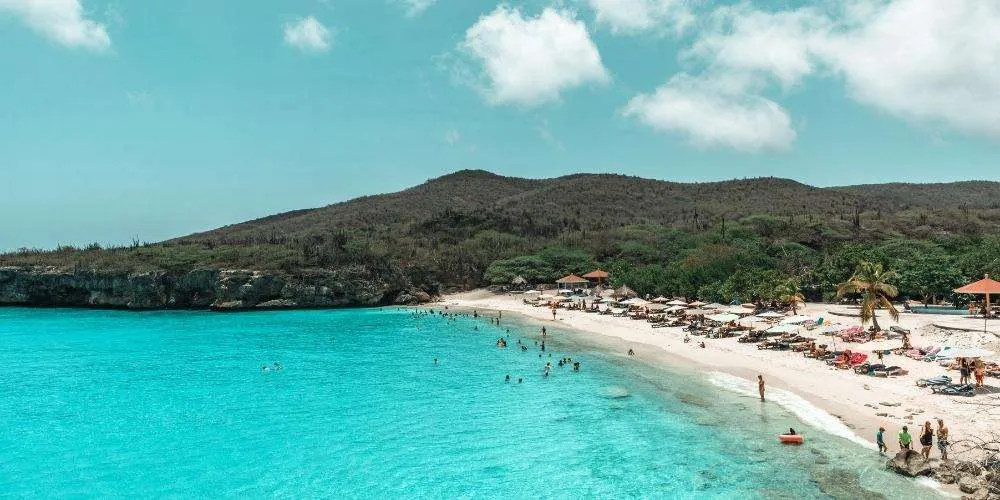
Curaçao has over 38 beaches, each offering something unique. Some, like Mambo Beach and Seaquarium Beach, are lively with restaurants and bars, while others like Kenepa Grandi or Cas Abao are more secluded and perfect for relaxation. The island’s waters are ideal for snorkeling and scuba diving, featuring vibrant coral reefs, tropical fish, and underwater wrecks.

For diving enthusiasts, Curaçao is considered a world-class destination, with sites suitable for both beginners and experienced divers. Whether you prefer relaxing on soft sand, enjoying water sports, or exploring underwater wonders, the beaches provide endless options for fun and adventure.

2. Rich Blend of Cultures

Curaçao’s history as a Dutch colony and its location in the Caribbean has created a cultural melting pot. The capital, Willemstad, showcases pastel-colored buildings, historic forts, and a lively waterfront. Locals speak Papiamentu, Dutch, English, and Spanish, making communication easy for tourists.

The island’s festivals, music, and food reflect this diversity. From lively carnival celebrations to traditional dishes like keshi yena (stuffed cheese) and fresh seafood, visitors can enjoy a cultural experience unlike anywhere else in the Caribbean. The combination of heritage, music, and culinary delights makes Curaçao unique and memorable.

3. Adventure and Nature Beyond Beaches

Beyond the shoreline, Curaçao offers diverse natural attractions. Christoffel National Park is perfect for hiking, featuring trails that lead to the island’s highest point and opportunities to see local wildlife and plants. Shete Boka National Park offers dramatic coastal views where waves crash into limestone cliffs, creating a stunning natural spectacle.

The Hato Caves are another highlight, featuring limestone formations and ancient petroglyphs. For birdwatchers, the salt flats and lagoons are home to flamingos and other wildlife. Whether you love hiking, wildlife observation, or exploring natural formations, Curaçao delivers experiences beyond sun and sand.

4. Activities for Every Traveler

Curaçao offers activities suitable for all kinds of travelers. Adventure seekers can go scuba diving at the Tugboat wreck, enjoy kayaking or paddleboarding, or take sunset boat tours. Families can explore interactive attractions like the Curaçao Sea Aquarium, while cultural enthusiasts can visit museums and historic districts.

Even food lovers have plenty to do: cooking classes, local markets, and street food tours showcase the island’s culinary heritage. There’s no shortage of ways to enjoy Curaçao, whether you’re seeking adrenaline, relaxation, or cultural immersion.

5. Pleasant Weather All Year

One of Curaçao’s advantages is its consistent, sunny weather throughout the year. Because it lies outside the hurricane belt, the island avoids most of the Caribbean storms. Average temperatures range from 27°C to 31°C (81°F to 88°F), and occasional short rain showers usually occur at night.

The best months for beachgoers are January through September, while October to December offers quieter experiences and lower travel costs. This stable weather makes planning a trip much easier and ensures reliable conditions for outdoor activities.

6. Practical Travel Tips

Costs and Currency: Curaçao uses the Netherlands Antillean Guilder, but U.S. dollars are widely accepted. Prices for accommodation, food, and activities can be higher than some Caribbean islands, so planning a budget is important.

Transportation: Public transportation is limited. Renting a car is the most convenient way to explore the island, while taxis can be used for shorter trips.

Safety: Curaçao is generally safe for tourists. Still, it’s wise to keep valuables secure, avoid isolated areas at night, and follow local customs. Travelers typically find the locals friendly, welcoming, and helpful, adding to the positive experience.

Best Time to Visit: High season is December to April, offering great weather and more crowds. Shoulder season from May to November has fewer tourists and lower prices, while still providing sunny days for outdoor activities.

7. Pros and Cons of Visiting Curaçao

Pros:

  • Beautiful and diverse beaches

  • Clear waters for diving and snorkeling

  • Rich multicultural experiences

  • Variety of activities for all types of travelers

  • Year-round pleasant weather

Cons:

  • Prices can be higher than expected

  • Limited public transportation

  • Some beaches charge entry fees

  • Not as developed as larger Caribbean islands

Overall, the pros far outweigh the cons, making Curaçao a rewarding destination for most travelers.

Read More: Top 7 Best Hostels in the World for Every Traveller Experience

Conclusion 

Curaçao is a Caribbean destination that combines sun-soaked beaches, colorful culture, and adventure opportunities into a unique experience. Whether you’re exploring the vibrant streets of Willemstad, snorkeling among coral reefs, hiking in national parks, or enjoying the local cuisine, the island offers something for every type of traveler.

While costs can be slightly higher than expected and transportation is limited, planning ahead allows you to fully enjoy the island’s offerings. Its friendly locals, cultural diversity, and natural beauty make a trip to Curaçao not only enjoyable but memorable.

For anyone seeking a Caribbean vacation that goes beyond ordinary beach resorts, Curaçao is absolutely worth visiting. The combination of adventure, relaxation, and cultural immersion ensures that visitors leave with lasting memories, beautiful photos, and a deeper appreciation for this remarkable island.

FAQs 

1. Is Curaçao expensive to visit?
Curaçao can be pricier than some Caribbean islands, especially for accommodation, food, and beach access. Planning a budget and visiting during shoulder season can reduce costs.

2. What is the best time of year to visit Curaçao?
The best months for beach weather are December to April, but visiting from May to November offers fewer crowds and better deals.

3. Do you need a car in Curaçao?
While not essential in the city, renting a car is highly recommended to explore beaches, parks, and other attractions across the island.

4. Is Curaçao safe for tourists?
Yes, it’s generally safe. Travelers should use common sense, keep valuables secure, and avoid isolated areas at night.

5. What language is spoken in Curaçao?
Locals speak Papiamentu, Dutch, English, and Spanish, making it easy for international tourists to communicate.

0 comments
0 FacebookTwitterPinterestEmail
Top 7 Best Hostels in the World for Every Traveller Experience

Hostels have evolved far beyond crowded bunk beds and dusty floors — they’re now vibrant hubs that blend comfort, community, culture, and affordability. Today’s best hostels offer exceptional experiences: social lounges, rooftop views, cultural immersion activities, free breakfast, and opportunities to meet fellow travelers from around the globe. From bustling Moroccan riads to adventure-filled Kiwi retreats, hostels can be the highlight of any backpacking itinerary.

Unlike hotels, they put people first, fostering connections through shared spaces, local excursions, and friendly staff. Whether you’re a solo traveler seeking new friends, a digital nomad needing Wi-Fi and workspaces, or a couple chasing memorable stays without breaking the bank, the world’s top hostels deliver world-class hospitality without the world-class price tag. In this article, we explore the seven best hostels across continents — selected by traveler reviews, award lists, and expert travel rankings — so you can plan your next unforgettable adventure with confidence.

The 7 Best Hostels in the World

1. Hostel Riad Marrakech Rouge — Marrakech, Morocco

One of North Africa’s most beloved backpacker hostels, Hostel Riad Marrakech Rouge combines local charm with a strong social vibe. With a superb traveler rating and central location near Jemaa el-Fna Square, this hostel is perfect for those wanting authentic Moroccan culture alongside a welcoming community. Guests enjoy free breakfast, cozy communal courtyards, and rooftop terraces ideal for mingling and sightseeing. The staff organize informal tours and activities that make exploring Marrakech’s labyrinthine medina easy and enjoyable.

Why it’s special:

  • Central location near iconic markets and historic spots

  • Friendly staff who help plan excursions

  • Vibrant social areas that make meeting travelers easy

2. Adventure Queenstown Hostel — Queenstown, New Zealand

Located in the adventure capital of the world, Adventure Queenstown Hostel offers an inviting balance of social connection and laid-back comfort. Known for its warm community atmosphere, it’s a favorite for backpackers exploring New Zealand’s stunning landscapes and thrill-seeker activities like bungee jumping, hiking, and skiing. Despite its smaller size, this hostel delivers nightly social events and beautifully designed communal areas that help guests connect.

Why it’s special:

  • Great base for outdoor sports and adventure culture

  • Weekly events to meet travelers

  • Comfortable rooms with privacy features

3. Soul Kitchen — St. Petersburg, Russia

Soul Kitchen has earned its reputation as one of Europe’s most soulful hostel experiences. Spacious common spaces, thoughtful design, and consistent traveler praise make it ideal for global explorers who value aesthetics and connectivity. It’s a standout choice in a city known for culture, art, and historic architecture.

Why it’s special:

  • Artistic interior and inviting lounges

  • Strong social scene with culturally curious guests

  • Excellent ratings for facilities and staff

4. Hostel Hercegovina — Mostar, Bosnia & Herzegovina

As a top-ranked hostel in Eastern Europe, Hostel Hercegovina shines with its authentic local vibe set against the backdrop of Mostar’s iconic Old Bridge (Stari Most). Travelers rave about its clean rooms, welcoming staff, and proximity to key attractions. It’s especially popular with travelers who want a mix of historical exploration and convivial hostel life.

Why it’s special:

  • Fantastic location near historic landmarks

  • Friendly community and organized social activities

  • Highly rated for atmosphere and cleanliness

5. Chicago Getaway Hostel — Chicago, USA

Historically one of North America’s most popular hostel experiences, Chicago Getaway Hostel is praised for its welcoming vibe, community events, and excellent city access. It’s well-loved by travelers exploring Chicago’s museums, architecture, jazz scene, and lakeside parks. This model sets the standard for urban backpacker stays.

Why it’s special:

  • Vibrant social areas and events

  • Central location in a major world city

  • Perfect for urban explorers and culture seekers

6. Mojzo Inn — Nha Trang, Vietnam

In Asia, Mojzo Inn blends beachside calm with a great social atmosphere. This Vietnamese hostel is ideal for travelers who want sun, sea, and safety — all while making new friends. Clean dorms, chill common spaces, and easy access to local beaches make it a standout Asian hostel choice.

Why it’s special:

  • Beachside location with relaxed vibe

  • Perfect for solo travelers and young backpackers

  • Excellent community atmosphere

7. Hostel Galeria 13 — Salvador de Bahia, Brazil

Latin America’s top pick for many award rankings, Hostel Galeria 13 is vibrant, social, and steeped in local Bahian culture. From live music in communal spaces to group outings into the city’s colorful streets and beaches, this hostel offers a dynamic way to experience Brazilian life. It’s ideal for travelers who want both comfort and cultural immersion.

Why it’s special:

  • Strong local culture and entertainment vibe

  • Social events and group activities

  • Great base for exploring historical Salvador

 Tips for Choosing the Best Hostel

When picking hostels, consider ratings, location, amenities, and community vibe. Services like shared kitchens, free breakfast, Wi-Fi, organized tours, and comfortable common areas often make the biggest impact on your stay. Top hostels commonly feature:

  • Free Wi-Fi and breakfast

  • Communal lounges for group meals or games

  • Rooftop terraces or courtyards

  • Helpful staff offering local tips and bookings

These features create not just a bed, but a travel experience — perfect for making friends and memories across borders.

Read More: Backpacking Through Europe: The Complete Guide for First-Timers

Conclusion

Hostels have transformed drastically, evolving from basic budget stops to enriching travel hubs where culture, comfort, and connection come together. The world’s best hostels — from Hostel Riad Marrakech Rouge in Morocco to Adventure Queenstown Hostel in New Zealand — prove that staying on a budget doesn’t mean sacrificing experience.

Whether you want social events, local immersion, scenic adventure bases, or simply a friendly place to unwind after exploring a new city, today’s top hostels offer something for every kind of traveler. By prioritizing community spaces, thoughtful amenities, and genuine hospitality, these hostels make the world feel smaller and friendlier for everyone. So pack your bag, make your reservation, and get ready to write your own travel story — because the best hostel stays don’t just give you a bed, they enrich your journey.

 FAQs

1. What exactly is a hostel and how is it different from a hotel?
A hostel is a low-cost, communal lodging option with shared dorm rooms or private rooms and social spaces for travelers, often including kitchens and lounges, unlike hotels which focus more on private rooms and fewer communal activities.

2. Are hostels safe for solo travelers?
Yes — many world-class hostels have 24/7 staff, lockers, and strong community environments that make solo travel both safe and social.

3. How much can you expect to pay at top hostels?
Rates vary by location and season, but globally top hostels often range from budget-friendly dorm beds to private rooms at affordable prices compared to hotels.

4. What amenities should I look for in the best hostels?
Look for free Wi-Fi, breakfast options, common areas, organized tours, secure luggage storage, and social events for the best overall experience.

5. Can hostels be family-friendly?
Yes — many hostels now offer family rooms and private spaces in addition to dorms, making them suitable for all ages.

0 comments
0 FacebookTwitterPinterestEmail
Backpacking Through Europe: The Complete Guide for First

Backpacking through Europe is a dream adventure for many travelers. It offers a chance to explore diverse cultures, breathtaking landscapes, and iconic cities — all on a budget and at your own pace. Whether it’s wandering cobblestone streets in Prague, relaxing on the beaches of Portugal, or tasting local cuisine in Italy, Europe has something for everyone.

The key to a successful trip lies in careful planning, smart budgeting, and a willingness to embrace the unexpected. This guide will walk you through every step of backpacking through Europe, from preparation to travel tips, safety, and ways to make your experience unforgettable.

1. Plan Your Trip Carefully

Choose the Right Season

Europe experiences distinct seasons, each influencing cost and experience. Summer (June–August) brings warmer weather but also high tourist crowds and expensive accommodation. Spring (April–May) and autumn (September–October) are ideal for fewer crowds, moderate weather, and lower prices. Winter can be magical in some regions, like Austria or Switzerland, but daylight hours are short.

Set Your Travel Goals

Before you book anything, decide what kind of trip you want. Ask yourself:

  • Which countries do I want to visit?

  • What experiences are most important — culture, food, nightlife, nature?

  • How long will my trip last?

Focusing on a region or theme, such as Central Europe or coastal exploration, helps avoid overpacking your itinerary and reduces stress.

Budget Wisely

Creating a budget early is essential. Include accommodation, food, transport, activities, and an emergency fund. Europe varies greatly in cost; Eastern Europe is generally more affordable than Western Europe. Keep track of expenses with a budgeting app or spreadsheet to stay on track.

2. Create a Flexible Itinerary

Plan, but Stay Flexible

A rough plan works better than a strict schedule. Allocate a few days per city but leave room for spontaneous adventures and discoveries. Backpacking is as much about experiences as destinations.

Include Famous Sites and Hidden Gems

Visiting iconic destinations like Paris, Rome, or Barcelona is exciting, but lesser-known towns like Porto, Bruges, or Ljubljana offer unique experiences with fewer crowds. Balancing the two makes your trip richer.

Consider Festivals and Events

Traveling during local festivals can enhance cultural immersion. Oktoberfest in Germany, La Tomatina in Spain, or local music festivals are excellent opportunities to experience European culture firsthand.

3. Travel on a Budget

Use Local Transportation

Europe has excellent public transport. Trains, buses, metro systems, and regional passes are affordable and reliable. Consider rail passes for multiple countries or long-distance journeys to save money.

Affordable Flights and Buses

Budget airlines and long-distance buses offer cheap ways to travel between cities. Compare prices and book in advance for the best deals.

Eat Like a Local

Street food, local cafés, and grocery shopping reduce costs compared to tourist restaurants. Markets often offer fresh, cheap meals, perfect for travelers on a budget.

Take Advantage of Free Activities

Many cities offer free walking tours, free museum days, and cultural events. These activities provide insight into local life without draining your wallet.

4. Accommodation Options

Hostels

Hostels are ideal for backpackers. They are affordable, social, and often include kitchens, Wi-Fi, and communal spaces. Booking in advance is important in high-season cities.

Alternative Stays

Guesthouses, camping, or home rentals can be more affordable than hotels and offer a more authentic experience.

Safety and Comfort

Check reviews and choose accommodations with lockers, 24/7 reception, or female-only dorms if traveling solo. Safety should be a priority.

5. Pack Smart and Light

Essentials Only

Packing light saves money and stress. Bring versatile clothes, comfortable shoes, toiletries, and travel documents. Rolling clothes and using packing cubes maximizes space.

Tech and Security

Bring a universal adapter, power bank, offline maps, and an anti-theft bag or money belt for crowded areas. Protecting valuables is essential while traveling.

6. Stay Safe and Respect Local Culture

Be Aware of Risks

Pickpocketing and tourist scams are common in busy areas. Keep money and documents secure and stay aware of your surroundings.

Respect Laws and Customs

Different countries have unique rules, from alcohol consumption to public behavior. Understanding local culture helps avoid misunderstandings.

Travel Insurance

Insurance protects against emergencies, cancellations, and lost belongings. While it’s an extra cost, it offers peace of mind.

7. Enjoy the Journey

Backpacking is about discovery and connection. Meet locals, try new foods, explore offbeat places, and allow yourself slow days. Some of the best memories come from unplanned moments — wandering streets, striking up conversations, or finding a hidden café. Travel is not just seeing the world; it’s experiencing it fully.

Read More: 7 Best Things to Do in the Virgin Islands

Conclusion 

Backpacking through Europe is an adventure that blends freedom, culture, and personal growth. Successful trips require planning, budgeting, and flexibility. Start by choosing the right season, setting a daily budget, and creating a balanced itinerary of iconic landmarks and hidden gems. Use affordable transportation, eat locally, and take advantage of free activities to stretch your funds. Pack smart, stay aware of safety, and respect local laws and customs. Most importantly, embrace spontaneity and connection — those unplanned moments often become lifelong memories.

Whether it’s meeting fellow travelers, wandering unknown streets, or enjoying a quiet sunset in a small town, the journey is as meaningful as the destinations. With preparation and an open mind, backpacking through Europe becomes more than a trip; it becomes a transformative experience full of stories, friendships, and unforgettable adventures.

FAQs

1. What is the best time to travel to Europe?
Spring and fall are ideal — mild weather, fewer crowds, and lower costs. Summer is busiest and most expensive.

2. How much should I budget per day?
Budget travelers can spend €50–€100 daily depending on country, season, and travel style.

3. Should I book hostels in advance?
Yes, especially in peak season. Booking early ensures availability and better rates.

4. What is the best way to travel between European countries?
Public transport is the easiest — trains, buses, and budget flights are cost-effective and reliable.

5. Is Europe safe for solo backpackers?
Generally yes, but stay cautious: secure belongings, respect local culture, and avoid risky areas at night.

0 comments
0 FacebookTwitterPinterestEmail
7 Best Things to Do in the Virgin Islands

The Virgin Islands are world-famous for their beaches, featuring soft white sand, turquoise waters, and breathtaking views. Must-visit beaches include Magens Bay on St. Thomas, known for its calm waters perfect for swimming and paddleboarding, and Trunk Bay on St. John, famous for its underwater snorkel trail. Other gems include Honeymoon Beach, Maho Bay, Cinnamon Bay, and Leinster Bay.

Tip: Arrive early for the best spots, especially at popular beaches like Trunk Bay.

 2. Snorkel and Discover Marine Life

Snorkeling is a top activity in the Virgin Islands. Clear waters and vibrant coral reefs make it easy to spot tropical fish, sea turtles, and colorful underwater gardens.

  • Waterlemon Cay and Leinster Bay are among the best snorkel spots on St. John.

  • Buck Island Reef National Monument near St. Croix offers a famous underwater trail with abundant marine life.

  • Coki Beach on St. Thomas is ideal for families and first-time snorkelers.

Pro tip: Use reef-safe sunscreen and avoid touching coral or marine wildlife.

 3. Visit Coral World Ocean Park

Coral World Ocean Park on St. Thomas offers interactive marine experiences. Visitors can explore an underwater observatory, meet sea lions, and try activities like snuba or sea lion feedings. The park combines education and fun, making it perfect for families and children.

🇺🇸 4. Explore Virgin Islands National Park

Virgin Islands National Park covers much of St. John, blending lush forests, historic ruins, and scenic beaches.

Activities include:

  • Hiking through trails that pass through tropical forests and old plantation ruins.

  • Swimming, kayaking, and windsurfing in calm coves.

  • Wildlife spotting and relaxing on some of the Caribbean’s most beautiful beaches.

This park is ideal for nature lovers, hikers, swimmers, and anyone looking for both adventure and tranquility.

 5. Take a Boat Tour or Island Cruise

Experiencing the Virgin Islands by boat is unforgettable. Tours allow visitors to hop between islands, snorkel offshore reefs, sail to hidden coves, and visit secluded beaches. Sunset sails or private charters provide a romantic or adventurous twist to a typical day trip. Whether it’s a catamaran adventure, beach hopping, or visiting nearby islands, the boat experience is a highlight of any trip.

 6. Discover Culture & History

The Virgin Islands are rich in history and culture. Highlights include Emancipation Garden in St. Thomas, which commemorates the freeing of slaves, and colonial ruins and forts on St. Croix that showcase the islands’ European and local history. Towns like Charlotte Amalie and Christiansted offer vibrant markets, local food, and shopping, providing a glimpse of island life beyond the beaches.

 7. Adventure and Local Experiences

For thrill-seekers and culture enthusiasts alike, the Virgin Islands offer a variety of unique experiences:

  • Jet skiing, parasailing, and paddleboarding.

  • Night kayak glow tours in clear waters.

  • Sampling local cuisine and tasting island-made rum.

These activities allow travelers to mix adventure, relaxation, and cultural immersion for a truly memorable trip.

Read More: Japan in 7 Days: Ultimate First-Timer Itinerary

Conclusion

The Virgin Islands are a paradise where natural beauty, rich culture, and thrilling adventure come together. From relaxing on world-famous beaches to snorkeling vibrant reefs, exploring historic sites, and cruising between islands, every experience leaves a lasting impression. Whether your goal is a serene escape, outdoor adventure, or cultural exploration, the Virgin Islands promise unforgettable memories and a true taste of Caribbean bliss.

 FAQs

1. What is the best time to visit the Virgin Islands?
The ideal time is December to April for dry, sunny weather, though the shoulder seasons offer fewer crowds and better travel deals.

2. Do I need to book snorkeling tours in advance?
It’s recommended, especially during peak travel months, to secure your spot and get the best prices.

3. Can you visit both USVI and BVI in one trip?
Yes. Many boat charters and ferries allow travelers to visit both U.S. and British Virgin Islands in a single trip.

4. Are the beaches kid-friendly in the Virgin Islands?
Absolutely. Beaches like Magens Bay have calm, shallow waters suitable for children.

5. What is Virgin Islands National Park known for?
It’s famous for its scenic beaches, snorkeling trails, hiking paths, historic ruins, and protected natural landscapes.

0 comments
0 FacebookTwitterPinterestEmail
Japan in 7 Days: Ultimate First-Timer Itinerary

Japan is a mesmerizing mix of ancient traditions and modern innovations. From futuristic skyscrapers to serene temples, from bustling cities to tranquil landscapes, Japan offers an unforgettable travel experience. A 7-day itinerary is perfect for first-time visitors to explore iconic cities like Tokyo, Kyoto, Osaka, and Hiroshima while experiencing the rich culture, delicious cuisine, and breathtaking natural beauty.

With Japan’s efficient rail network, including the famous Shinkansen bullet trains, traveling across the country is seamless, allowing you to maximize your adventure without wasting time on transportation. This itinerary balances modern city life, historical landmarks, natural wonders, and culinary delights, ensuring each day is filled with memorable experiences.

Day-by-Day Itinerary

Day 1 – Arrival in Tokyo

Arrive at Narita or Haneda Airport and take a train or shuttle into central Tokyo. Spend the day exploring your neighborhood, relaxing after the flight, and enjoying views from the Tokyo Metropolitan Government Building observatory. In the evening, wander the vibrant streets of Shinjuku or Shibuya to experience Tokyo’s neon-lit energy.

Day 2 – Tokyo Highlights

Begin at Shibuya Crossing, the world’s busiest pedestrian scramble. Visit Meiji Shrine for a peaceful retreat and explore Harajuku’s Takeshita Street for quirky shops and unique snacks. In the afternoon, head to Asakusa to see the historic Sensō-ji Temple and shop along Nakamise Street.

Day 3 – Tokyo Culture and Markets

Visit Ueno Park, home to museums, temples, and seasonal cherry blossoms. Explore Ameya-Yokocho Market for local food and souvenirs. In the afternoon, dive into Akihabara’s electronics, anime, and gaming culture or enjoy panoramic city views from the Tokyo Skytree.

Day 4 – Kyoto: Temples and Tradition

Take the bullet train to Kyoto. Explore Fushimi Inari Shrine with its thousands of vermillion torii gates. Visit Kiyomizu-dera Temple and enjoy the city’s scenic views. In the evening, stroll through Gion, Kyoto’s historic geisha district, and enjoy traditional tea and quiet lanes.

Day 5 – Kyoto: Bamboo Forest and Golden Pavilion

Start the day at Arashiyama Bamboo Forest, visiting Tenryu-ji Temple and its serene gardens. In the afternoon, head to Kinkaku-ji, the famous Golden Pavilion, and explore Kyoto’s charming streets and traditional shops.

Day 6 – Osaka: Food and Fun

Travel to Osaka, Japan’s culinary capital. Visit Osaka Castle for history and views. Explore Dōtonbori, famous for neon lights, street food, and local delicacies like takoyaki and okonomiyaki. Optionally, visit Universal Studios Japan for an exciting entertainment experience.

Day 7 – Hiroshima and Miyajima (Optional)

Take a day trip to Hiroshima to visit the Peace Memorial Park and Museum. Continue to Miyajima Island to see the iconic floating torii gate of Itsukushima Shrine. Alternatively, return to Tokyo for last-minute shopping or relaxation before departure.

 Travel Tips

  • Transport: Purchase a Japan Rail Pass before arriving for cost-effective, fast travel between cities.

  • Accommodation: Stay near major train stations to reduce commute time.

  • Seasonal Advice: Cherry blossom season (March–April) is breathtaking but busy; book accommodations early.

  • Food: Don’t miss sushi, ramen, takoyaki, okonomiyaki, and local regional specialties.

  • Packing: Comfortable shoes are a must for city walking and temple visits.

Read More: Prague Itinerary: Ultimate Travel Guide for First-Time

 Conclusion

A 7-day Japan itinerary offers a perfect balance of modern city life, traditional culture, culinary adventures, and natural beauty. From Tokyo’s bustling streets and towering skyscrapers to Kyoto’s serene temples and historic districts, each day brings a new experience. Osaka delights the senses with its vibrant food scene, while Hiroshima and Miyajima offer reflection and awe-inspiring sights.

Efficient transportation like the Shinkansen and JR Pass allows for seamless travel, maximizing sightseeing and minimizing stress. A carefully planned week ensures you experience Japan’s rich culture, stunning architecture, scenic landscapes, and unique cuisine without feeling rushed. By following this itinerary, travelers gain a deep appreciation for Japan’s past and present, creating memories that will last a lifetime. Whether walking through bamboo forests, exploring neon-lit city streets, or tasting regional delicacies, a week in Japan is an enriching, unforgettable adventure.

 FAQs

1. What is the best 7-day Japan itinerary for first-time visitors?
A recommended route is Tokyo (3 days), Kyoto (2 days), Osaka (1 day), with an optional Hiroshima and Miyajima day trip.

2. Should I buy a Japan Rail Pass for 7 days?
Yes, it is cost-effective if traveling between multiple cities, especially on bullet trains.

3. How many days should I spend in Tokyo, Kyoto, and Osaka?
Tokyo 3 days, Kyoto 2–3 days, Osaka 1–2 days, depending on interests and pace.

4. Can I visit Mount Fuji in 7 days?
Yes, a day trip from Tokyo to Mount Fuji (Kawaguchiko area) can fit between Day 2–3.

5. Is 7 days enough to see Japan?
Yes, it offers a great overview of culture, history, modern life, and cuisine. More days allow a slower pace or extra destinations.

0 comments
0 FacebookTwitterPinterestEmail
How to Start a Travel Blog: A Complete Beginner’s Guide

Starting a travel blog can be one of the most exciting journeys you’ll ever take. Whether you want to share your travel stories, inspire others, document adventures, or even turn your passion into a career, a travel blog gives you a platform to do it all. Travel blogging is more than writing—it’s about connecting with readers, sharing practical tips, and building a community of like-minded explorers.

But getting started can feel overwhelming. From choosing your niche and naming your blog to setting up your website, creating content, and promoting it effectively, there are essential steps to follow. This guide provides a clear, step-by-step roadmap to launch your travel blog confidently, focus on quality content, and engage real readers from day one. By following these strategies, you can turn your love of travel into an inspiring and influential online presence.

1. Decide Your Travel Blog Niche

Before creating your blog, decide what kind of travel stories you want to share. Will it be budget travel, luxury trips, family adventures, solo travel, food-focused experiences, or destination guides? Choosing a niche helps attract the right audience and makes your blog more focused. A blog about budget backpacking will attract different readers than one about luxury European travel. Pick a niche that matches your expertise and passion to keep your content authentic and engaging.

2. Choose a Memorable Blog Name

Your blog name becomes your brand. Make it unique, memorable, and easy to spell. Choose a name that reflects your niche and personality. Keep it simple, short, and broad enough to allow growth as your blog expands. Make sure the domain name and social media handles are available to ensure consistent branding across platforms.

3. Pick a Blogging Platform and Hosting

After choosing a name, select a platform and hosting service. WordPress is the most popular for flexibility and SEO benefits. Beginners may also consider simpler platforms like Wix or Blogger. Your hosting provider stores your blog online. Shared hosting is affordable for starters, while WordPress hosting offers speed and reliability as your traffic grows.

4. Set Up Your Blog and Design It

Install your blogging platform and choose a theme that matches your brand. Customize colors, fonts, layout, and logo. A clean, mobile-friendly design enhances user experience and keeps readers engaged. Make navigation simple, and ensure your content is easy to read.

5. Create Your First Content Plan

Plan your blog content before launching. Identify categories like destination guides, travel tips, packing lists, hotel reviews, or itineraries. A structured plan ensures consistent posting and helps attract readers. Launch your blog with 3–5 high-quality posts so visitors immediately find valuable content.

6. Write Friendly and Helpful Posts

Your posts should offer value, be engaging, and answer reader questions. Include real travel experiences, tips, and recommendations. Use headings, short paragraphs, and visuals to make reading easier. Authenticity and helpful insights keep readers coming back.

7. Optimize for Search Engines (SEO)

SEO helps your blog get discovered. Use keywords in titles, headings, and content. Write descriptive meta descriptions, add alt text to images, and link between your posts. Basic SEO skills improve your blog’s visibility and organic traffic over time.

8. Add Photos, Videos, and Visual Content

Visual content is essential for travel blogs. Use original photos, maps, and videos to bring your stories to life. Optimize images for faster loading and include descriptive alt text to improve accessibility and SEO.

9. Launch and Promote Your Blog

When your blog is ready, announce the launch to friends, family, and social media followers. Share content on Instagram, Pinterest, and Facebook. Pinterest works well for travel blogs because users search for travel ideas. Use hashtags and create eye-catching visuals to attract readers.

10. Engage with Your Readers and Grow

Engage your audience through comments, email newsletters, and social media interaction. Building relationships with readers fosters loyalty and encourages repeat visits. Consistent interaction turns your blog from a website into a thriving travel community.

Read More: Prague Itinerary: Ultimate Travel Guide for First-Time

Conclusion 

Starting a travel blog is both a creative adventure and a practical project. From picking the right niche and blog name to designing your site and publishing valuable content, every step shapes your blog’s success. SEO, promotion, and visuals help you stand out, while authentic stories and helpful tips build trust with your readers. Consistency is key: regularly sharing high-quality posts keeps your audience engaged and attracts new visitors.

Your travel blog is a reflection of your personal journey, so authenticity and genuine insights are what make it memorable. With dedication, planning, and the right strategies, you can create a travel blog that not only documents your adventures but also inspires and guides others to explore the world. The journey of blogging can be just as rewarding as the travels you share.

 FAQs

1. How much does it cost to start a travel blog?
Costs vary: free platforms exist, but professional blogs with hosting and domain start around $50–$100 per year.

2. Which platform is best for travel blogging?
WordPress is highly recommended for flexibility, SEO benefits, and long-term growth.

3. Do I need technical skills to start a blog?
No. Basic setup skills are enough, and many platforms provide easy-to-use tools for beginners.

4. How do travel bloggers make money?
Through ads, affiliate marketing, sponsored posts, partnerships, and selling digital products or guides.

5. How often should I publish content?
Aim for at least one quality post per week initially; consistency helps build an audience and improve search rankings.

0 comments
0 FacebookTwitterPinterestEmail