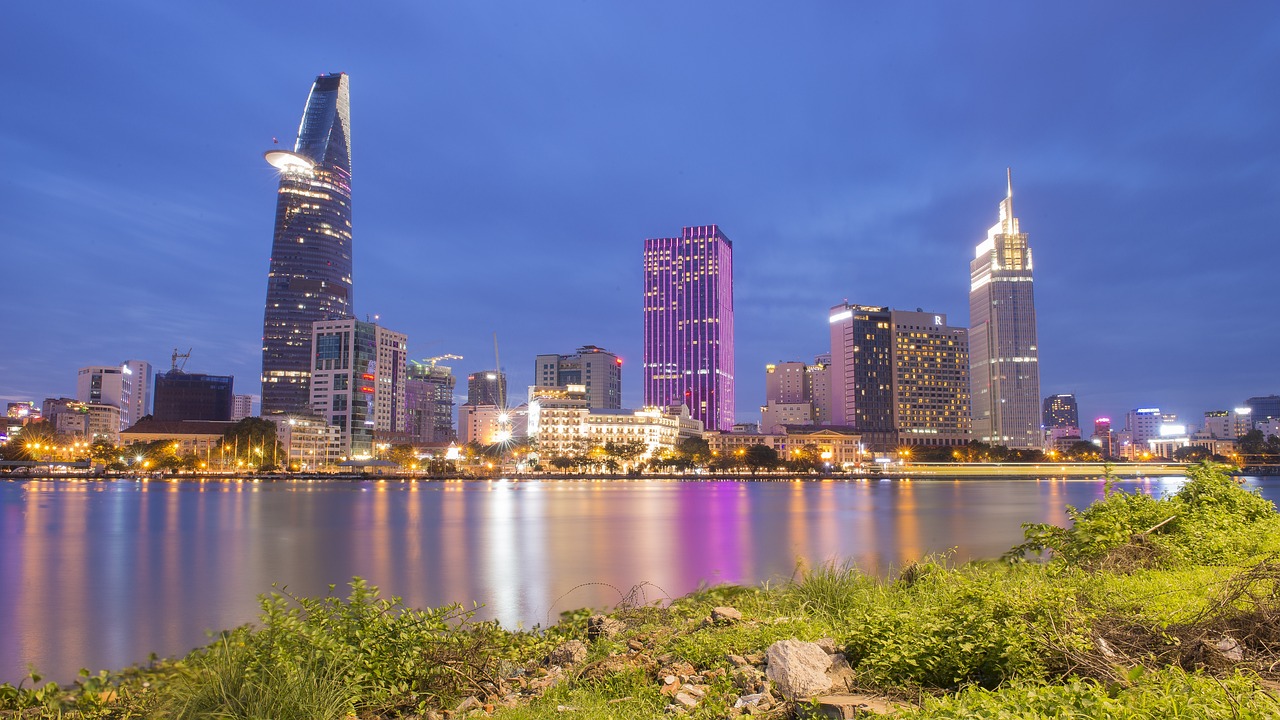
Urban travel has become one of the most exciting ways to experience the world. Unlike traditional vacations that focus on beaches or rural retreats, urban adventures dive straight into the rhythm of city life. Skyscrapers, bustling streets, cultural hubs, and hidden gems all combine to create experiences that are as dynamic as they are unforgettable.
As someone who recently explored the winding alleys of Barcelona while discovering street art and local tapas, I can attest that the charm of urban travel often lies in its unpredictability. Every city has its own story, and every corner hides a potential memory waiting to be made.
Why Urban Travel is Gaining Popularity
Urban travel appeals to a broad spectrum of travelers. Here’s why it’s attracting so much attention:
- Diverse Experiences in a Compact Space – Cities pack history, entertainment, dining, and shopping into walkable areas.
- Cultural Immersion – From local markets to art galleries, urban settings provide authentic interactions with local life.
- Accessibility – Most urban destinations are connected by reliable public transportation, making it easy to explore efficiently.
- Innovation and Trends – Cities are often hubs for cutting-edge architecture, food trends, and modern experiences that rural destinations may not offer.
Unlike typical sightseeing trips, urban travel encourages blending itineraries with spontaneity. You might plan to visit a museum but end up discovering a live jazz performance in a small café.
Planning Your Urban Adventure
Effective planning is key to enjoying city life without feeling overwhelmed. Here’s a practical approach:
- Research Neighborhoods – Every urban area has distinct vibes. For example, SoHo in New York City is known for its boutique shopping and art galleries, while Williamsburg offers a hip, street-art-driven experience.
- Use Public Transportation Wisely – Subways, buses, and bike-sharing programs can save time and money.
- Mix Popular Attractions with Local Spots – While iconic landmarks are a must-see, local cafes, parks, and markets often offer the most authentic experiences.
- Stay Flexible – Urban travel thrives on serendipity. Leaving room for unplanned adventures often leads to the most memorable moments.
Real-World Scenario: Exploring Tokyo by Foot and Transit
Imagine stepping off the train at Shibuya Station, Tokyo. The famous scramble crossing buzzes with energy, neon signs flicker, and street vendors offer takoyaki and sweet treats. Navigating this urban maze might feel intimidating, but with a combination of subway maps and local advice, you can explore hidden temples, quaint coffee shops, and lively entertainment districts all within a single day.
The beauty of urban travel is that cities like Tokyo, London, or Istanbul function like layered stories. Each layer reveals a different aspect of local life, from high-end districts to traditional neighborhoods, all connected seamlessly through efficient transit systems.
Comparison of Urban Travel Benefits vs. Rural Travel
Here’s a quick comparison to understand why many travelers prefer urban adventures:
| Feature | Urban Travel | Rural Travel |
|---|---|---|
| Accessibility | High (public transport & walkable areas) | Moderate (may require car or long walks) |
| Cultural Opportunities | Museums, theaters, diverse cuisine | Nature trails, local festivals |
| Pace of Life | Fast and dynamic | Slow and relaxing |
| Social Interaction | Vibrant, diverse crowds | Limited, more intimate |
| Accommodation Options | Wide range, from budget to luxury | Limited, often rustic |
This table highlights how urban travel offers a rich mix of experiences in a concentrated area, making it ideal for short trips, solo explorers, and those seeking cultural immersion.
Insider Tips for Urban Travelers
- Early Mornings Are Golden – Popular spots are less crowded in the early hours, and cityscapes look stunning with morning light.
- Walk When Possible – Walking helps you discover hidden alleys, murals, and street performers that maps often miss.
- Try Local Eats – Street food and family-run restaurants often offer authentic flavors that guidebooks might overlook.
- Blend Technology with Exploration – Apps for navigation, reviews, and event discovery can enhance your experience without taking away from the adventure.
Unique Value of Urban Travel
One of the often-overlooked benefits of urban travel is its ability to blend comfort with exploration. Unlike remote destinations where logistics can be challenging, cities provide convenience without sacrificing authenticity. Whether it’s enjoying rooftop views, catching a live performance, or simply people-watching in a bustling square, urban travel makes it possible to live like a local while still having access to modern comforts.
Also Read: BTM Travel: Complete Guide to Flights & Tours
Conclusion
Urban travel is more than visiting a city; it’s about experiencing life at a faster, more textured pace. It combines culture, cuisine, entertainment, and convenience into a single, vibrant package. From wandering cobblestone streets in Europe to navigating neon-lit avenues in Asia, the possibilities are endless. By planning thoughtfully, staying flexible, and engaging with the local rhythm, every trip can become an unforgettable urban adventure.
FAQs
Q1: What is the best way to plan an urban travel trip?
A: Research neighborhoods, prioritize attractions, utilize public transport, and leave room for spontaneous exploration.
Q2: How can I save money while traveling in cities?
A: Use public transit, dine at local spots, book accommodations in advance, and explore free or low-cost attractions like parks and museums.
Q3: Are urban destinations safe for solo travelers?
A: Generally yes, especially in well-connected cities. Staying aware of your surroundings, avoiding poorly lit areas at night, and researching safe neighborhoods can enhance safety.
Q4: How do I choose the right city for urban travel?
A: Consider your interests—arts, food, nightlife, history, or shopping. Cities like Paris, New York, Tokyo, and Istanbul each offer distinct cultural experiences.
Q5: Can urban travel be sustainable?
A: Absolutely. Opt for walking, cycling, or public transport, support local businesses, and choose eco-friendly accommodations to reduce your footprint.