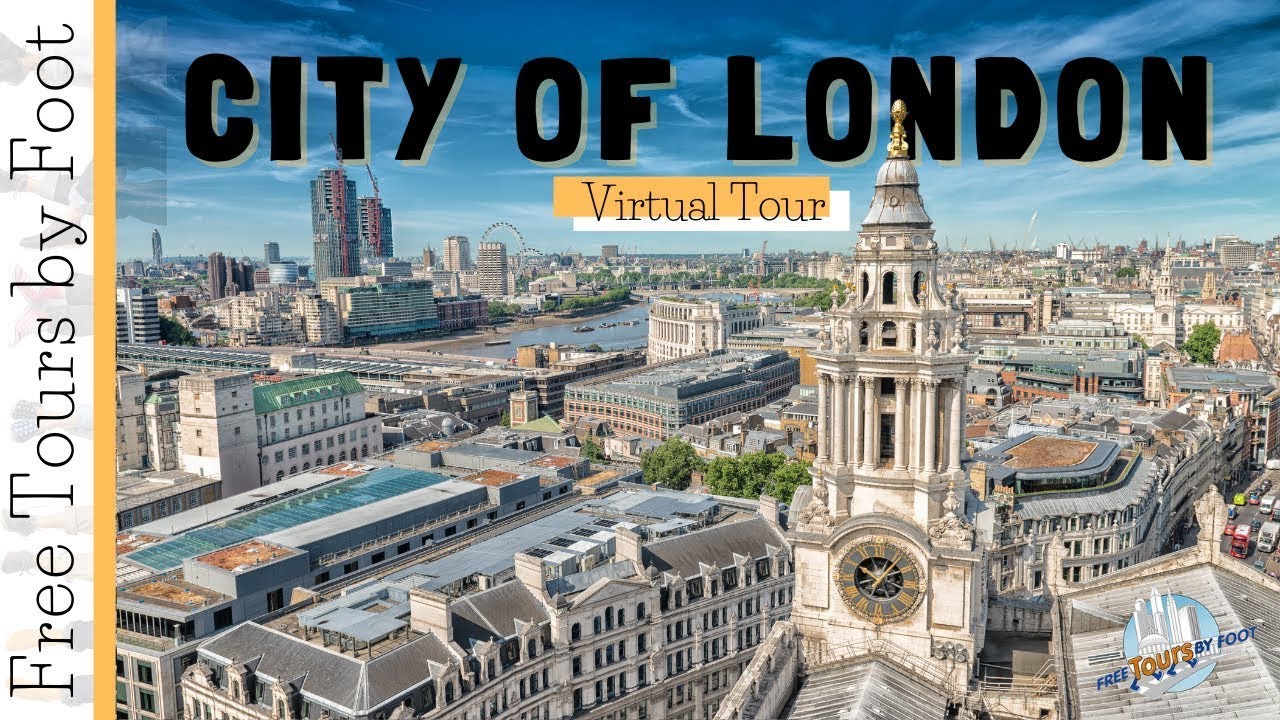
Walking tours in London offer an immersive way to experience the city’s rich history, vibrant culture, and hidden treasures. Unlike buses or taxis, walking allows you to connect with the streets, landmarks, and local stories in a personal way. Whether it’s exploring royal palaces, historic neighborhoods, or street art in East London, a walking tour brings the city to life at your own pace.
London has a variety of options—from guided tours with expert narrators to self-guided adventures and themed walks such as ghost tours, literary trails, and food explorations. This guide will show you how to plan, enjoy, and get the most out of walking tours in London, ensuring a memorable, safe, and authentic experience that fits any interest or schedule.
1. Why Walking Tours Are Essential in London
Walking tours provide a depth of experience that other forms of travel cannot. Here’s why they are essential:
-
Immersive Experience: You can absorb the city’s atmosphere, notice architectural details, and hear the sounds of neighborhoods.
-
Historical Insight: Guides share rich stories, anecdotes, and context that turn ordinary streets into history lessons.
-
Cultural Discovery: From hidden markets to street art and local cafes, walking tours introduce you to authentic local life.
-
Flexibility: Tours range from short one-hour walks to full-day explorations, allowing customization to your schedule.
-
Health & Sustainability: Walking is eco-friendly, and it keeps you active while sightseeing.
Many of London’s most famous attractions are walkable within the central area, making it convenient for tourists to cover multiple sights in a single day.
2. Types of Walking Tours in London
2.1 Guided Walking Tours
Guided tours are led by knowledgeable locals who share stories, answer questions, and create an interactive experience. They are perfect for first-time visitors or those who want deep historical or cultural insights.
Popular guided tours include:
-
Historic London Tours: Explore the evolution of London from Roman times through the medieval period to the present.
-
Literary & Famous Figures Tours: Follow the paths of Sherlock Holmes, Charles Dickens, or the Beatles across the city.
-
Crime & Mystery Tours: Discover stories of Jack the Ripper and other infamous historical events.
-
Food & Market Tours: Visit Borough Market or East End food spots, tasting local treats while learning about culinary traditions.
Pros: Engaging, informative, and social.
Cons: Less flexible in timing and usually involve a cost.
2.2 Self-Guided Walking Tours
Self-guided tours give you freedom and flexibility. Using maps, printed guides, or apps, you can explore the city at your own pace.
Options include:
-
Landmark Routes: Buckingham Palace, Westminster Abbey, Big Ben, and the London Eye in a loop.
-
Neighborhood Walks: Covent Garden, Soho, Shoreditch, and Hampstead for a mix of shopping, culture, and history.
-
App-Based Experiences: Downloadable audio guides allow for offline use, providing narration while you walk.
Pros: Cost-effective, flexible, and ideal for independent travelers.
Cons: Less personalized, requires more planning, and you might miss insider insights.
2.3 Themed & Special Interest Walks
London’s diversity allows for walks catering to specific interests:
-
Art & Street Culture: Shoreditch and Brixton feature vibrant murals, graffiti, and galleries.
-
Historical Tours: Explore Roman ruins, royal palaces, or World War II sites.
-
Nature Walks: Parks, riversides, and green spaces like Hyde Park or Regent’s Park.
-
Underground & Hidden London: Explore disused tunnels, secret courtyards, and wartime shelters.
These specialized tours often appeal to repeat visitors or travelers with a focused interest.
3. Recommended Walking Routes
3.1 Jubilee Walkway
A 15-mile route connecting London’s major attractions, divided into manageable loops. Highlights include Trafalgar Square, Westminster Abbey, and the Tate Modern.
3.2 Diana, Princess of Wales Memorial Walk
A 7-mile circular route through London’s parks and areas associated with Princess Diana, marked by commemorative plaques.
3.3 Jubilee Greenway
A 60-kilometer route connecting parks, riversides, and key landmarks, suitable for multi-day exploration.
3.4 Capital Ring
A 125-kilometer circular walk around London’s outskirts, taking you through parks, forests, and suburban neighborhoods.
3.5 London Loop
An extensive 242-kilometer path around outer London, ideal for long-distance walking enthusiasts or nature lovers seeking adventure beyond the city center.
4. Planning Your Walking Tour
4.1 Wear Comfortable Footwear
Cobblestones, uneven pavements, and long distances make supportive shoes essential.
4.2 Check the Weather
London’s weather can change quickly. Layered clothing and a light rain jacket are recommended.
4.3 Plan Your Time
Decide on route length and main attractions. Popular guided tours may need advance booking.
4.4 Use Maps or Apps
Self-guided walkers benefit from apps or offline maps for navigation and audio commentary.
4.5 Bring Snacks and Water
Stay hydrated and bring light snacks, especially for longer tours. Many routes pass through markets and cafés for refreshments.
5. Best Seasons for Walking Tours
-
Spring to Early Autumn (May–September): Mild temperatures, long daylight hours, and vibrant greenery.
-
Winter: Fewer crowds, crisp air, and atmospheric tours, especially for history or ghost-themed walks.
London is walkable year-round, but weather and daylight affect your comfort and sightseeing experience.
6. Safety and Etiquette Tips
-
Stay Aware: Watch your belongings and traffic in busy areas.
-
Respect Locals: Stand aside on pavements, keep noise levels reasonable, and be courteous in shops and markets.
-
Use Public Transport if Tired: Tube or bus connections can help you return comfortably.
-
Follow Signs & Guidelines: Many walking routes are marked with plaques or markers—use them to avoid getting lost.
Walking tours are generally safe, particularly during daytime in central London areas.
Read More: Is South America Safe? A Complete 2026 Guide
Conclusion
Walking tours in London offer a unique way to engage with the city’s history, culture, and daily life. From iconic landmarks to hidden streets and secret gems, exploring on foot lets you absorb the energy of London at a pace that suits you. Guided tours provide context and storytelling, while self-guided options give flexibility and independence. Themed walks cater to niche interests, from crime history to street art, making each tour an experience tailored to your curiosity.
Proper planning, including comfortable footwear, weather-ready clothing, and hydration, ensures a pleasant and memorable walk. London is a city where every street tells a story, and walking is the best way to uncover them. Whether it’s your first visit or your tenth, walking tours provide both adventure and insight, leaving you with lasting memories and a deeper connection to the heart of England’s capital.
FAQs
1. How long should a London walking tour be?
Tours vary from one-hour short walks to full-day explorations. Choose based on your interests, pace, and energy.
2. Are London walking tours free?
Self-guided tours can be free, while guided tours often require a fee but provide expert insights and structured experiences.
3. Which walking tours are best for first-time visitors?
Central landmark loops, royal palace routes, and themed tours like Sherlock Holmes or Jack the Ripper walks are ideal.
4. Can you do walking tours year-round in London?
Yes, London is walkable all year. Spring and summer are best for long daylight and mild weather, while winter offers quieter streets.
5. What should I wear for a walking tour in London?
Comfortable shoes, layered clothing, and a small backpack with water and snacks are essential.