Traveling to South America is a dream for adventurers, nature lovers, and culture seekers alike. From the towering Andes mountains to the dense Amazon rainforest, from the vibrant streets of Rio de Janeiro to the scenic Patagonia region, the continent offers unforgettable experiences. But the question many travelers ask is: Is South America safe? The answer is not a simple yes or no.
Safety varies widely depending on the country, city, neighborhood, and even the time of day. Understanding these variations, knowing the common risks, and preparing in advance can make the difference between a stressful trip and an enriching, unforgettable journey. This guide explores South America’s safety landscape, highlights safer and riskier destinations, and provides practical advice to keep your travels secure.
Overview: Safety in South America
South America is a vast and diverse continent, and safety conditions vary greatly from one region to another. Some countries enjoy political stability, strong infrastructure, and low crime rates, while others struggle with higher levels of violent crime, civil unrest, or health risks. Travelers often rely on international advisories and global safety rankings, which categorize destinations by risk level: from “low risk” to “high risk.”
It’s important to note that even within countries labeled “higher risk,” there are safe tourist zones. Conversely, even safer countries can have areas with petty crime or local unrest. Travelers should consider city-by-city safety, local advice, and standard precautions to stay secure.
Safest Countries in South America
Certain South American nations consistently rank as safer destinations for tourists. These countries combine stable governance, lower crime rates, and traveler-friendly infrastructure.
Argentina
Argentina is widely regarded as one of the safest countries in South America. Tourist areas in Buenos Aires, Mendoza, and Patagonia generally have low rates of violent crime. Petty theft, like pickpocketing in crowded areas, can occur, so vigilance is advised. Argentina offers well-developed infrastructure, reliable transportation, and a welcoming environment for travelers.
Uruguay
Uruguay is often considered the most peaceful country in the region. With a low homicide rate and political stability, it is ideal for first-time visitors. Montevideo and Punta del Este are popular destinations that provide safety alongside beautiful scenery. Travelers should still remain cautious in busy areas to avoid minor theft.
Chile
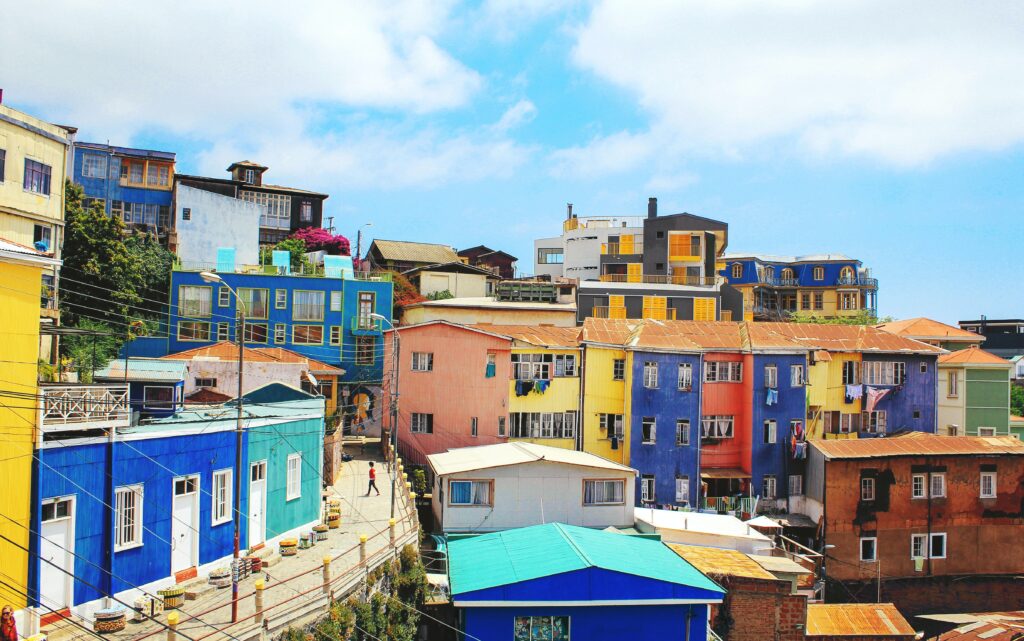
Chile is another safe choice, known for its organized cities and effective law enforcement. Santiago, Valparaíso, and Patagonia attract tourists seeking urban culture and natural beauty. While protests can occasionally occur, they are usually nonviolent and avoid targeting tourists.
Paraguay
Paraguay offers a quieter travel experience with relatively low crime rates. Tourist zones are generally safe, though border regions may present occasional risks due to smuggling. Local advice is essential to ensure a secure visit.
These countries provide peace of mind for travelers seeking both adventure and safety, making them excellent starting points for exploring South America.
Countries with Higher Safety Concerns
While many areas are safe, some countries in South America carry higher risks due to violent crime, political instability, or social unrest.
Venezuela
Venezuela is currently considered a high-risk destination. Violent crime, armed robbery, and kidnapping are serious concerns, making travel here unsafe for most tourists. Visitors are generally advised to avoid nonessential travel to the country.
Colombia
Colombia has made significant improvements in safety over recent years, particularly in tourist regions like Bogotá, Medellín, and Cartagena. However, some rural areas remain dangerous due to drug trafficking and armed groups. Travelers should research their destinations carefully.
Brazil
Brazil is a popular travel destination, but certain cities have high crime rates. Rio de Janeiro, São Paulo, and Salvador attract tourists, yet petty theft, scams, and occasional violent crime occur in some neighborhoods. Awareness and local guidance are crucial for safe travel.
Ecuador
Ecuador presents a mixed safety picture. Major cities like Quito and Guayaquil have experienced rises in crime, and certain border or remote areas carry additional risks. Coastal and tourist areas tend to be safer but require vigilance.
Even within higher-risk countries, tourist hotspots often have strong security measures, and many travelers visit without incident. The key is research, preparation, and awareness.
Common Safety Risks
Travelers to South America should understand the most common risks to protect themselves:
-
Petty crime: Pickpocketing, bag snatching, and wallet theft are common in crowded areas and tourist attractions.
-
Scams and opportunistic crime: Tourists may be targeted by scams, including overcharging, fraudulent guides, or distraction thefts.
-
Nighttime hazards: Walking alone after dark in unfamiliar neighborhoods can be risky.
-
Political demonstrations: Protests occasionally occur; while usually peaceful, crowds should be avoided for safety.
-
Health risks: Tropical diseases such as dengue, yellow fever, and Zika exist in some regions. Vaccinations and preventive measures are recommended.
Understanding these risks allows travelers to take precautions without being unnecessarily fearful, ensuring a more confident and enjoyable journey.
Practical Safety Tips for Travelers
Following simple strategies significantly enhances safety:
Before You Go
-
Research current safety advisories for your specific destinations.
-
Make digital copies of important documents like your passport and travel insurance.
-
Register your travel plans with a trusted contact or government travel service.
While Traveling
-
Use hotel safes for valuables and carry only essentials when exploring.
-
Share your itinerary with someone you trust.
-
Learn basic Spanish or Portuguese phrases to communicate in emergencies.
In Cities
-
Stay in well-reviewed accommodations in safe neighborhoods.
-
Use registered taxis or rideshare services instead of hailing unknown vehicles.
-
Avoid displaying expensive electronics or jewelry publicly.
General Awareness
-
Stay alert in crowded areas, transportation hubs, and tourist sites.
-
Ask locals or hotel staff about areas to avoid.
-
Maintain awareness of your surroundings at all times, especially at night.
With preparation and common sense, travelers can minimize risks while exploring South America’s remarkable destinations.
Health and Environmental Considerations
Beyond crime and security, travelers should be aware of environmental and health factors:
-
Altitude sickness: Popular destinations like Cusco, La Paz, and Quito are at high elevations. Gradual acclimation is recommended.
-
Jungle and coastal health risks: Mosquito-borne illnesses are present in tropical regions. Use insect repellent, wear long sleeves, and consider vaccinations.
-
Natural hazards: Earthquakes, floods, and volcanic activity can occur in some areas. Stay informed about local alerts and emergency procedures.
Addressing these health and environmental factors is as important as personal safety when planning a South American trip.
Transportation Safety
Travelers should choose safe and reliable transportation:
-
Domestic flights are generally safe and efficient.
-
Buses can be economical but vary in quality. Stick to reputable companies for long-distance travel.
-
Taxis and rideshare apps are preferred over street-hailing, especially at night.
-
Self-driving is not recommended in unfamiliar or high-risk areas.
Understanding transportation options and their risks contributes to a smoother and safer travel experience.Responsible Travel Tips
Being a responsible traveler also enhances safety:
-
Respect local customs and traditions.
-
Avoid political demonstrations or discussions in public spaces.
-
Support local businesses and communities ethically.
-
Avoid risky behavior such as excessive alcohol or drug use in public.
Responsible travel reduces the chance of conflicts or danger while fostering positive experiences with locals.
Read More: Best Travel Deal Sites to Save Big on Trips
Conclusion
South America’s safety is complex and varies significantly across countries, cities, and neighborhoods. Countries like Argentina, Uruguay, Chile, and Paraguay offer low crime rates, political stability, and reliable infrastructure, making them ideal for tourists seeking peace of mind. Other nations, including Venezuela, parts of Colombia, Brazil, and Ecuador, present higher risks due to violent crime or social unrest, but even these destinations have safe tourist zones.
Travelers can enhance safety through preparation, research, and vigilance: using secure transportation, avoiding high-risk areas at night, safeguarding valuables, and staying informed about local conditions. Health and environmental factors, such as altitude sickness or tropical diseases, should also be considered. With thoughtful planning and awareness, visitors can experience South America’s incredible landscapes, vibrant cultures, and rich histories safely. In short, South America can be both safe and deeply rewarding when approached with preparation and respect.
FAQs
1. Is South America safe for first-time travelers?
Yes, if travelers choose safer countries and follow common-sense safety practices, South America can be safe for first-time visitors.
2. Which South American country is safest for tourists?
Argentina, Uruguay, and Chile are widely considered the safest, offering low crime rates and political stability.
3. Can you travel safely in big cities like Rio or Bogotá?
Yes, by staying in safe neighborhoods, using rideshare services, and avoiding walking alone at night.
4. Are there areas tourists should avoid entirely?
Yes, some regions, especially in Venezuela and certain remote border zones, carry high risk and should be avoided.
5. What precautions should travelers take in South America?
Travelers should secure valuables, use official transportation, stay informed of local conditions, avoid demonstrations, and be aware of health risks.