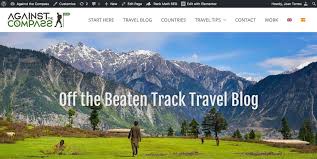
Starting a travel blog can be one of the most exciting journeys you’ll ever take. Whether you want to share your travel stories, inspire others, document adventures, or even turn your passion into a career, a travel blog gives you a platform to do it all. Travel blogging is more than writing—it’s about connecting with readers, sharing practical tips, and building a community of like-minded explorers.
But getting started can feel overwhelming. From choosing your niche and naming your blog to setting up your website, creating content, and promoting it effectively, there are essential steps to follow. This guide provides a clear, step-by-step roadmap to launch your travel blog confidently, focus on quality content, and engage real readers from day one. By following these strategies, you can turn your love of travel into an inspiring and influential online presence.
1. Decide Your Travel Blog Niche
Before creating your blog, decide what kind of travel stories you want to share. Will it be budget travel, luxury trips, family adventures, solo travel, food-focused experiences, or destination guides? Choosing a niche helps attract the right audience and makes your blog more focused. A blog about budget backpacking will attract different readers than one about luxury European travel. Pick a niche that matches your expertise and passion to keep your content authentic and engaging.
2. Choose a Memorable Blog Name
Your blog name becomes your brand. Make it unique, memorable, and easy to spell. Choose a name that reflects your niche and personality. Keep it simple, short, and broad enough to allow growth as your blog expands. Make sure the domain name and social media handles are available to ensure consistent branding across platforms.
3. Pick a Blogging Platform and Hosting
After choosing a name, select a platform and hosting service. WordPress is the most popular for flexibility and SEO benefits. Beginners may also consider simpler platforms like Wix or Blogger. Your hosting provider stores your blog online. Shared hosting is affordable for starters, while WordPress hosting offers speed and reliability as your traffic grows.
4. Set Up Your Blog and Design It
Install your blogging platform and choose a theme that matches your brand. Customize colors, fonts, layout, and logo. A clean, mobile-friendly design enhances user experience and keeps readers engaged. Make navigation simple, and ensure your content is easy to read.
5. Create Your First Content Plan
Plan your blog content before launching. Identify categories like destination guides, travel tips, packing lists, hotel reviews, or itineraries. A structured plan ensures consistent posting and helps attract readers. Launch your blog with 3–5 high-quality posts so visitors immediately find valuable content.
6. Write Friendly and Helpful Posts
Your posts should offer value, be engaging, and answer reader questions. Include real travel experiences, tips, and recommendations. Use headings, short paragraphs, and visuals to make reading easier. Authenticity and helpful insights keep readers coming back.
7. Optimize for Search Engines (SEO)
SEO helps your blog get discovered. Use keywords in titles, headings, and content. Write descriptive meta descriptions, add alt text to images, and link between your posts. Basic SEO skills improve your blog’s visibility and organic traffic over time.
8. Add Photos, Videos, and Visual Content
Visual content is essential for travel blogs. Use original photos, maps, and videos to bring your stories to life. Optimize images for faster loading and include descriptive alt text to improve accessibility and SEO.
9. Launch and Promote Your Blog
When your blog is ready, announce the launch to friends, family, and social media followers. Share content on Instagram, Pinterest, and Facebook. Pinterest works well for travel blogs because users search for travel ideas. Use hashtags and create eye-catching visuals to attract readers.
10. Engage with Your Readers and Grow
Engage your audience through comments, email newsletters, and social media interaction. Building relationships with readers fosters loyalty and encourages repeat visits. Consistent interaction turns your blog from a website into a thriving travel community.
Read More: Prague Itinerary: Ultimate Travel Guide for First-Time
Conclusion
Starting a travel blog is both a creative adventure and a practical project. From picking the right niche and blog name to designing your site and publishing valuable content, every step shapes your blog’s success. SEO, promotion, and visuals help you stand out, while authentic stories and helpful tips build trust with your readers. Consistency is key: regularly sharing high-quality posts keeps your audience engaged and attracts new visitors.
Your travel blog is a reflection of your personal journey, so authenticity and genuine insights are what make it memorable. With dedication, planning, and the right strategies, you can create a travel blog that not only documents your adventures but also inspires and guides others to explore the world. The journey of blogging can be just as rewarding as the travels you share.
FAQs
1. How much does it cost to start a travel blog?
Costs vary: free platforms exist, but professional blogs with hosting and domain start around $50–$100 per year.
2. Which platform is best for travel blogging?
WordPress is highly recommended for flexibility, SEO benefits, and long-term growth.
3. Do I need technical skills to start a blog?
No. Basic setup skills are enough, and many platforms provide easy-to-use tools for beginners.
4. How do travel bloggers make money?
Through ads, affiliate marketing, sponsored posts, partnerships, and selling digital products or guides.
5. How often should I publish content?
Aim for at least one quality post per week initially; consistency helps build an audience and improve search rankings.