Category:

Travel

Travel Insurance Guide: Coverage & Benefits Explained

Travel has become easier, faster, and more exciting than ever. Whether you’re planning a short weekend getaway or a long international trip, one thing often gets ignored until it’s too late—financial protection during emergencies. That’s where travel insurance quietly becomes your best travel companion.

Many travelers only realize its importance when something goes wrong: a missed flight, lost luggage, sudden illness, or even a trip cancellation. While we all hope for smooth journeys, real life doesn’t always follow the plan.

I still remember a friend who was traveling to Thailand for a vacation. Everything was perfectly planned until he slipped at the airport and fractured his ankle just before departure. His medical and rescheduling costs were shockingly high—but thankfully, his travel coverage handled most of it. That one decision saved him from a major financial setback.

This is exactly why understanding how protection plans work is not just helpful—it’s essential.

What Travel Insurance Actually Means

In simple terms, it is a financial safety net that protects you from unexpected costs while traveling. Instead of paying out-of-pocket for emergencies, you rely on your policy to cover specific risks outlined in your plan.

It is designed for situations like:

  • Medical emergencies abroad
  • Trip cancellations or delays
  • Lost or stolen baggage
  • Emergency evacuation
  • Passport or document loss

Think of it as a backup plan for your backup plan. You might never need it, but when you do, it becomes invaluable.

Why It Matters More Than Most Travelers Think

People often assume, “Nothing will go wrong on my trip.” And most of the time, that’s true. But travel involves multiple unpredictable factors—airlines, weather, health, and international systems.

A simple flight delay can turn into extra hotel expenses. A minor accident abroad can result in thousands of dollars in hospital bills. Even something as small as lost luggage can disrupt your entire itinerary.

The real value lies in peace of mind. Instead of worrying about “what if,” you can focus on enjoying your journey.

When Travel Plans Don’t Go as Expected

Imagine this: You’re on a dream trip to Europe. You’ve booked museums, tours, and a scenic train ride across countries. Suddenly, your bag goes missing at the airport. Inside it are your clothes, medicines, passport copies, and essential gadgets.

Now you’re stuck in a foreign country without essentials, spending extra money daily while trying to recover your belongings.

With proper protection, you would be reimbursed for essentials and supported through the recovery process. Without it, you’re left handling everything alone—financially and emotionally.

This is the difference between a stressful disaster and a manageable inconvenience.

Key Coverage Areas You Should Know

Different plans offer different benefits, but most comprehensive options include a combination of the following:

  • Medical Coverage: Hospital bills, treatment costs, emergency care
  • Trip Cancellation: Refund for non-refundable bookings
  • Baggage Protection: Compensation for lost or delayed luggage
  • Travel Delay: Meals, accommodation, and rebooking costs
  • Emergency Evacuation: Transport in case of serious medical issues

Not all plans are equal, and understanding what’s included can help you choose wisely.

Comparison of Common Plan Types

Here’s a simple breakdown to help you understand different options:

Type of Plan Coverage Level Best For Limitations
Basic Plan Low Short domestic trips Limited protection, fewer benefits
Standard Plan Moderate International travel Some exclusions apply
Comprehensive Plan High Frequent or long trips Slightly higher cost
Premium Plan Very high Business or luxury travel Expensive but extensive protection

Choosing the right one depends on your destination, trip duration, and risk level.

What Most Travelers Forget to Check

Many people buy a policy quickly without reading details. Later, they discover exclusions they didn’t expect. Common overlooked factors include:

  • Pre-existing medical condition rules
  • Coverage limits per incident
  • Country-specific restrictions
  • Adventure sports exclusions
  • Claim documentation requirements

A policy is only useful if you fully understand how it works.

A Personal Insight That Changed My View

There was a time when I thought these policies were unnecessary for short trips. That changed when a connecting flight delay forced an overnight stay in an expensive airport hotel. The airline offered no compensation, and the costs added up quickly. That experience made it clear: even small disruptions can become expensive surprises.

Since then, I never consider traveling without protection in place.

How to Choose the Right Coverage

Selecting the right plan doesn’t have to be complicated. Focus on:

  • Destination risk level (local or international)
  • Duration of travel
  • Medical coverage limits
  • Activity type (adventure vs leisure)
  • Claim process simplicity

A good plan should balance affordability with meaningful protection—not just cheap pricing.

Cost vs Value: What Really Matters

Many travelers hesitate because of cost. But in reality, it’s often a small fraction of your total trip budget. Compared to potential emergency expenses, it’s minimal.

For example, a single hospital visit abroad can cost more than an entire annual policy. That’s why experienced travelers see it as an investment, not an expense.

Also Read: How to Check Travel Ban in UAE Online Easily

Conclusion

Travel is about freedom, exploration, and experiences—but it also comes with uncertainties. Having the right protection ensures that unexpected problems don’t ruin your journey or your finances.

Instead of hoping nothing goes wrong, it’s smarter to be prepared if something does. Whether you’re traveling for leisure, work, or adventure, a well-chosen plan gives you confidence to explore without worry.

In the end, it’s not just about coverage—it’s about peace of mind that travels with you wherever you go.

FAQs

1. Is travel insurance necessary for short trips?

Yes, even short trips can involve delays, cancellations, or medical issues. Coverage helps manage unexpected costs.

2. Does it cover COVID-19 related issues?

Many modern policies include COVID-related medical and cancellation coverage, but it depends on the provider.

3. Can I buy it after booking my trip?

Yes, you can purchase it after booking, but it’s better to buy it early to maximize cancellation benefits.

4. What is usually not covered?

Common exclusions include risky sports, pre-existing conditions (in some cases), and travel against advisories.

5. How do I file a claim?

You typically need proof like receipts, reports, and tickets. Claims are submitted online or through the insurer’s process.

0 comments
0 FacebookTwitterPinterestEmail
How to Check Travel Ban in UAE Online Easily

Traveling to the United Arab Emirates can be exciting, whether you’re going for work, tourism, or family visits. However, nothing feels more stressful than uncertainty about legal travel restrictions. One of the most common concerns travelers face is figuring out whether they are subject to a travel ban in the UAE.

The good news is that checking your status is easier today than ever before. With digital government systems, mobile applications, and legal inquiry channels, you can verify your travel eligibility within minutes—if you know where to look and what steps to follow.

This guide explains everything in a simple, practical way so you can confidently understand how to check travel ban in UAE without confusion or unnecessary delays.

Understanding What a Travel Ban Means in UAE

A travel ban in the UAE is a legal restriction that prevents a person from entering or leaving the country. It is usually issued due to:

  • Pending criminal cases or investigations
  • Unpaid debts or bounced cheques
  • Labor disputes between employer and employee
  • Immigration violations or visa overstay
  • Security-related concerns or court orders

Unlike a simple visa rejection, a travel ban is more serious because it is linked to legal or financial obligations.

How to Check Travel Ban in UAE Online

Today, the UAE government provides several official ways to check your status. You don’t necessarily need to visit offices unless your case is complicated.

1. Through Dubai Police Website or App

If your issue is related to Dubai, the Dubai Police system is one of the fastest ways to check.

You can:

  • Visit the official Dubai Police website
  • Use the “Criminal Status of Financial Cases” service
  • Enter your Emirates ID or case details

This method is commonly used for financial disputes like bounced cheques or unpaid loans.

2. Using ICP Smart Services (Federal Level)

The Federal Authority for Identity, Citizenship, Customs & Port Security (ICP) provides nationwide services.

Steps include:

  • Go to ICP Smart Services portal
  • Log in using UAE Pass
  • Check immigration or visa-related alerts

This is useful if your concern is related to visa overstay or immigration restrictions.

3. Abu Dhabi Judicial Department Inquiry

If your case is in Abu Dhabi:

  • Visit the Abu Dhabi Judicial Department website
  • Use the case inquiry section
  • Enter your personal identification details

This system helps you verify legal cases that may result in a travel ban.

4. Smart Police Stations (SPS)

In Dubai, Smart Police Stations allow self-service checks without human interaction.

You can:

  • Visit an SPS kiosk
  • Use digital services for legal status inquiry
  • Print or view results instantly

This is especially helpful for people who prefer offline but automated systems.

Real-Life Travel Experience

A friend of mine working in Dubai once planned a last-minute trip to Pakistan for a family emergency. At the airport, he discovered he had a travel restriction due to a minor unpaid utility bill dispute he had completely forgotten about. He had no prior warning and ended up missing his flight while resolving the issue legally.

Situations like this are more common than people think. A quick online check a few days earlier could have saved him time, money, and stress.

Online vs Offline Methods (Comparison Table)

Here’s a simple breakdown of the most effective ways to check your travel ban status:

Method Speed Accessibility Best For Requirement
Dubai Police App Fast (minutes) High Financial/legal cases in Dubai Emirates ID
ICP Smart Services Moderate High Visa & immigration issues UAE Pass login
Judicial Department (Abu Dhabi) Moderate Medium Court-related cases Case number or ID
Smart Police Stations Fast Physical visit required Instant verification ID document

Each method serves a different purpose, so choosing the right one depends on your situation.

Offline Ways to Confirm Travel Ban Status

While online systems are convenient, some people still prefer traditional methods. You can:

  • Visit a police station or immigration office
  • Consult a legal representative in the UAE
  • Check through typing centers for government inquiries

These options are useful when online results are unclear or when legal cases are complex.

Common Signs You Might Have a Travel Ban

Sometimes people suspect a ban before officially checking. Here are a few warning signs:

  • Visa renewal is delayed without clear reason
  • You receive court or police notifications
  • Bank accounts are frozen or restricted
  • Employer informs you of legal disputes
  • You are stopped at immigration checkpoints

If any of these occur, it’s wise to verify immediately.

Personal Insight: What Most People Overlook

Many individuals assume that only criminal cases cause travel bans. In reality, even small financial issues—like unpaid credit card bills or disputed service charges—can escalate into legal restrictions if left unresolved. That’s why regular checking, especially before travel plans, is not just smart but necessary.

How to Remove a Travel Ban in UAE (Brief Overview)

If you discover a restriction, don’t panic. In most cases, bans can be lifted by:

  • Settling outstanding debts
  • Resolving court cases or disputes
  • Getting a clearance letter from authorities
  • Applying through a lawyer or legal representative

The process depends entirely on the reason behind the ban.

Why Early Verification Is Important

Checking your status early helps you:

  • Avoid airport embarrassment
  • Prevent travel delays
  • Resolve legal issues in advance
  • Save money on canceled tickets
  • Stay legally compliant in UAE regulations

It’s always better to confirm your status before making travel arrangements.

FAQs

1. Can I check travel ban in UAE with my passport number?

Yes, in some systems you can use passport details, but Emirates ID and UAE Pass are more commonly used for accurate results.

2. Is there a free way to check travel ban in UAE?

Yes, government portals like Dubai Police and ICP Smart Services offer free inquiry services.

3. How long does it take to remove a travel ban?

It depends on the case. Simple financial issues may take a few days, while court cases can take longer.

4. Can a travel ban be issued without notification?

Yes, in some cases, especially legal or financial disputes, you may not receive immediate notice.

5. What should I do if I find out I have a travel ban?

First, identify the reason, then consult legal support or relevant authorities to resolve it quickly.

Also Read: Understanding Travel Ban Rules, Causes & Impacts

Conclusion

Understanding how to check travel ban in UAE is essential for anyone living in or traveling to the country. With modern digital platforms like Dubai Police services, ICP Smart Services, and judicial portals, checking your status has become simple and accessible.

The key is not to wait until the airport surprises you. A quick verification today can protect your travel plans, finances, and peace of mind tomorrow.

0 comments
0 FacebookTwitterPinterestEmail
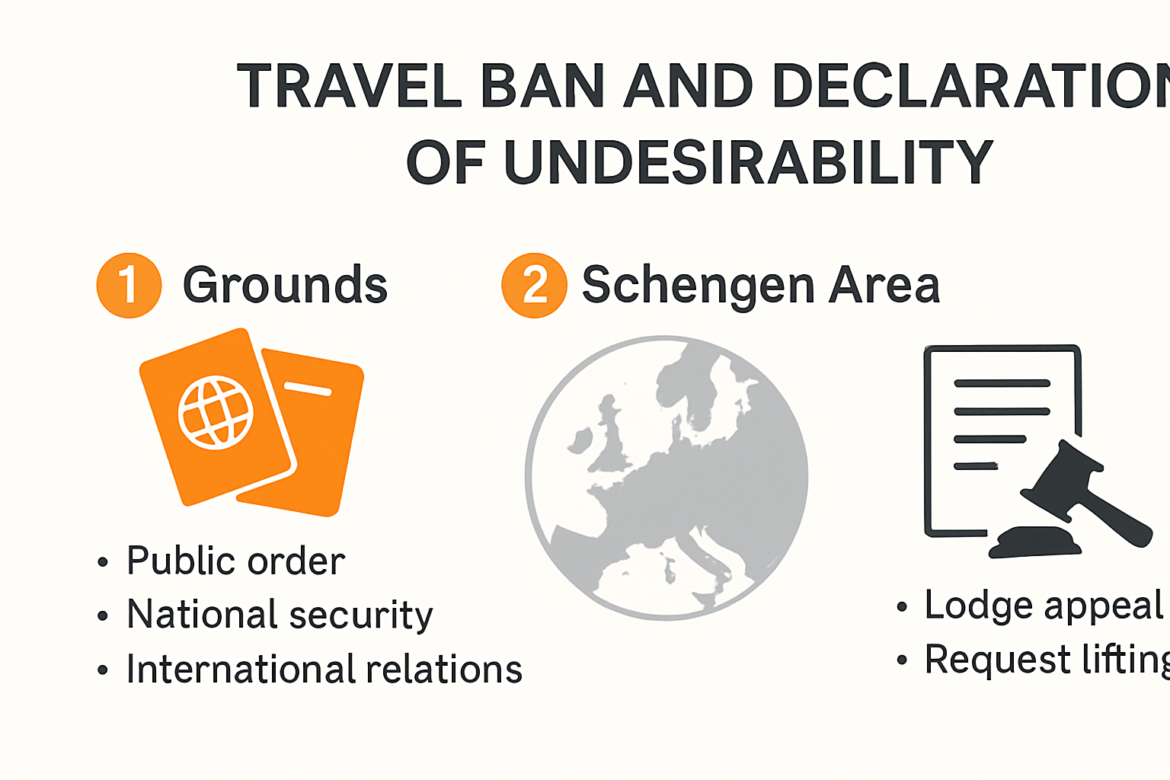
Understanding Travel Ban Rules, Causes & Impacts

A travel ban is one of those terms people often hear in news headlines but don’t fully understand until it directly affects their plans. At its core, it refers to a government restriction that prevents individuals or entire groups from entering or leaving specific countries. These restrictions can be temporary or long-term, and they usually come with political, security, health, or legal motivations.

In today’s interconnected world, even a small policy change can disrupt international movement, tourism, education plans, and global business operations. That’s why understanding how travel restrictions work is more important than ever.

What Exactly Is a Travel Ban?

A travel restriction is an official order issued by a government or international authority that limits cross-border movement. It may target:

  • Specific countries or regions
  • Certain nationalities
  • Individuals with security concerns or legal issues
  • Situations like pandemics or emergencies

Unlike regular visa rules, these restrictions are stricter and often sudden. Even valid visa holders can be affected.

Why Governments Impose Travel Restrictions

There are several reasons why countries enforce such controls, and they usually fall into a few major categories:

1. National Security Concerns

Governments may restrict entry from regions linked to terrorism, conflict, or political instability. This is done to protect citizens and maintain internal security.

2. Public Health Emergencies

During outbreaks or global health crises, movement may be limited to prevent the spread of disease. The COVID-19 pandemic is the most well-known example of this type of restriction.

3. Diplomatic or Political Reasons

Sometimes restrictions are part of political disputes, sanctions, or strained international relations between countries.

4. Legal or Immigration Violations

Individuals with overstayed visas, criminal records, or immigration fraud issues may face personal travel bans.

5. Environmental or Emergency Situations

Natural disasters or sudden emergencies can also trigger temporary movement restrictions.

Real-World Travel Impact

A few years ago, during global health emergencies, many students who had already been accepted into foreign universities suddenly found themselves unable to travel. One student preparing to study abroad had everything ready—visa approved, tuition paid, and accommodation booked—yet had to delay plans indefinitely due to sudden border restrictions. That situation highlights how unpredictable such policies can be, even for well-prepared travelers.

Personal Experience Insight

I once had a planned international trip where everything was organized months in advance, but new entry rules were announced just days before departure, forcing a complete reschedule. It showed how quickly global mobility rules can change without much warning.

Types of Travel Restrictions

Not all restrictions are the same. They vary depending on scope and purpose:

  • Full national entry bans
  • Partial restrictions on selected countries
  • Individual bans based on immigration records
  • Temporary emergency closures
  • Health-related screening requirements

Comparison Table: Travel Ban vs Visa Restriction vs Deportation

Category Travel Ban Visa Restriction Deportation
Scope Broad or individual Applies during visa approval Individual removal from country
Trigger Security, health, politics Immigration policy changes Legal violation or overstay
Timing Can be sudden Planned and structured After arrival or violation
Effect Duration Temporary or long-term Ongoing policy-based Immediate removal
Control Government-level decision Embassy/immigration rules Law enforcement action

How Travel Restrictions Affect People

The impact goes far beyond tourism. These rules can influence:

Tourism Industry

Airlines, hotels, and travel agencies often experience massive financial losses when borders close.

International Students

Many students face delays in education plans or lose admission opportunities entirely.

Business Travel

Global companies suffer disruptions in meetings, supply chains, and partnerships.

Families

Reunification between families across borders can be delayed for months or even years.

How to Check If a Travel Ban Applies to You

Before planning international travel, it is important to stay updated:

  • Check official government immigration websites
  • Monitor embassy announcements
  • Follow airline travel advisories
  • Stay updated on international news

Being proactive can prevent last-minute surprises.

Can Travel Restrictions Be Lifted?

Yes, most restrictions are temporary. Governments usually lift them when:

  • Security conditions improve
  • Health risks decrease
  • Diplomatic relations normalize
  • Legal issues are resolved

However, some bans can last for years depending on political situations.

SEO Value Insight (Naturally Integrated)

In practical terms, understanding how movement restrictions work helps travelers make smarter decisions, avoid unnecessary cancellations, and plan alternative routes when needed. Whether you’re a student, tourist, or business traveler, awareness of global mobility policies ensures smoother travel planning and fewer disruptions.

Also Read: Complete Guide to e Travel Pass Requirements Today

Conclusion

A travel ban is more than just a political term—it is a real-world restriction that can reshape personal plans, international education, business operations, and tourism industries in an instant. While often necessary for safety, health, or political reasons, its impact is deeply felt by individuals across the globe.

Staying informed, checking official updates, and planning flexibly are the best ways to navigate such unpredictable situations. In an era where borders can open and close quickly, awareness is your strongest travel companion.

FAQs

1. What is the main purpose of a travel ban?

A travel ban is used to control movement for reasons like security, health safety, or political decisions.

2. Can I travel if a ban is active?

It depends on the type of restriction. Some bans target specific countries or individuals, while others allow limited exceptions.

3. How long does a travel ban last?

It can last from a few days to several years depending on the reason behind it.

4. Does a travel ban affect visa holders?

Yes, even valid visa holders can be affected if restrictions apply to their country or category.

5. How can I avoid issues caused by travel bans?

Always check official government and embassy updates before booking or traveling internationally.

0 comments
0 FacebookTwitterPinterestEmail
Complete Guide to e Travel Pass Requirements Today

International travel has become much more digital than it used to be. One of the most important shifts in recent years is the introduction of the e Travel Pass, a streamlined electronic travel authorization system designed to simplify immigration procedures, health declarations, and border entry requirements. Instead of filling out paper forms on the plane or at the airport, travelers can now complete everything online before departure.

This system is now widely adopted in different countries under slightly different names, but the purpose remains the same: faster processing, fewer delays, and improved border security.

What Is an e Travel Pass?

An e Travel Pass is a digital travel document or online registration system that travelers must complete before entering certain countries. It usually collects basic personal details, passport information, travel history, and sometimes health-related declarations.

Unlike traditional paper-based arrival cards, this digital system is processed electronically, allowing immigration authorities to pre-screen passengers before they even land.

In many cases, airlines also verify whether a passenger has completed the e Travel Pass before allowing boarding, making it an essential part of modern travel compliance.

Why Countries Use e Travel Pass Systems

Governments introduced digital travel passes for several practical reasons:

  • Faster immigration clearance at airports
  • Improved border security through pre-screening
  • Reduced paperwork and environmental waste
  • Better tracking of inbound travelers
  • Easier health monitoring during global outbreaks

These systems became especially common after global health events highlighted the need for real-time traveler data management.

How the e Travel Pass Works

The process is usually simple and user-friendly:

  1. Travelers visit the official e Travel Pass portal or app
  2. They fill in personal and passport details
  3. Travel itinerary and accommodation details are added
  4. Health declaration (if required) is completed
  5. A QR code or confirmation slip is generated

This confirmation is then shown at check-in or arrival. In most cases, it is linked directly to immigration databases, reducing manual verification.

I once completed an e Travel Pass just hours before a flight and was surprised at how quickly the airport check-in agent verified everything using a simple QR scan instead of the usual paperwork shuffle.

Real-World Travel Use Case

Imagine you are flying to a popular tourist destination during peak holiday season. Without an e Travel Pass, passengers would be lining up at arrival counters filling out forms, slowing down the entire immigration process.

Now compare that with a digital system:

You arrive at the airport, your data is already in the system, and immigration officers simply scan your QR code. Within minutes, you’re through passport control and heading toward baggage claim while others are still filling out forms on clipboards.

That difference is exactly why this system has become a global standard in many regions.

Comparison: e Travel Pass vs Traditional Travel Forms

Feature e Travel Pass (Digital) Traditional Paper Forms
Submission method Online before travel At airport or onboard flight
Processing speed Fast and automated Slow and manual
Data accuracy High (validated digitally) Prone to human errors
Environmental impact Paperless Uses printed forms
Immigration experience Smooth and quick Often long queues
Pre-arrival approval Yes (in many countries) No

This comparison clearly shows why digital travel systems are becoming the preferred global standard.

Key Benefits for Travelers

The advantages of using an e Travel Pass go beyond convenience:

  • Less stress at immigration checkpoints
  • Faster airport movement and reduced waiting time
  • Ability to correct errors before arrival
  • Secure storage of travel data
  • Reduced chance of entry denial due to incomplete forms

For frequent travelers, this system significantly improves the overall travel experience.

Common Issues Travelers Face

Despite its advantages, travelers sometimes encounter challenges:

  • Submitting information on unofficial websites
  • Typing errors in passport numbers
  • Confusion between visa requirements and e Travel Pass
  • Last-minute submission causing airport delays

The most common mistake is assuming the e Travel Pass replaces a visa. In reality, it is only a travel declaration system, not a substitute for entry permits.

When You Need an e Travel Pass

Not all countries require it, but it is commonly needed when:

  • Entering countries with strict border controls
  • Traveling during public health monitoring periods
  • Arriving by air or sea into regulated ports
  • Passing through immigration pre-screening systems

Always check official government sources before traveling, as requirements can change frequently.

Unique Insight: The Shift Toward Predictive Immigration

What makes the e Travel Pass system particularly interesting is how it represents the future of predictive immigration. Instead of reacting at the border, authorities now analyze traveler data before arrival.

This means:

  • Risk assessment happens in advance
  • High-risk entries can be flagged early
  • Low-risk travelers move faster through airports

Over time, this approach is expected to integrate with biometric systems, creating fully automated border experiences.

Also Read: Travel Visa Guide: Types, Process & Requirements 2026

Conclusion

The e Travel Pass is more than just a digital form—it represents a major shift in how global travel is managed. By replacing outdated paper systems with real-time digital verification, countries are making travel faster, safer, and more efficient.

For travelers, the key is simple: complete it early, ensure accuracy, and treat it as an essential part of your journey. As international travel continues to evolve, systems like these will only become more important.

FAQs

1. Is the e Travel Pass a visa?
No, it is not a visa. It is a digital travel declaration used for immigration processing and health or security screening.

2. When should I apply for an e Travel Pass?
It is best to apply at least 24–72 hours before departure, depending on the country’s rules.

3. Is the e Travel Pass mandatory for all countries?
No, only selected countries require it. Requirements vary depending on destination and travel regulations.

4. Can I update my details after submission?
Some systems allow updates before approval, but changes after confirmation may require resubmission.

5. What happens if I don’t complete it?
You may be denied boarding or delayed at immigration upon arrival.

0 comments
0 FacebookTwitterPinterestEmail
Travel Visa Guide: Types, Process & Requirements 2026

Traveling to another country is exciting, but before you pack your bags, there’s one document that decides everything—your travel visa. Whether you’re going for tourism, study, business, or work, this entry permit acts as your official permission to enter a foreign country.

In simple words, a travel visa is not just a stamp or sticker; it’s a gateway that connects your travel dreams with legal approval. Without it, even the best-planned trip can come to a sudden stop at the airport.

Understanding What a Travel Visa Really Means

A travel visa is an authorization issued by a country’s immigration department that allows foreign nationals to enter, stay, or transit through its territory for a specific purpose and duration. Depending on your destination, it may come as a sticker in your passport, an electronic document (eVisa), or a visa-on-arrival stamp.

Many travelers confuse it with a passport, but they serve completely different roles. A passport identifies who you are, while a visa determines whether you are allowed to enter a country.

Main Types of Travel Visas You Should Know

Different travel goals require different visa categories. Choosing the correct one is crucial because applying under the wrong category often leads to rejection.

  • Tourist Visa: For leisure travel, sightseeing, and visiting friends or family
  • Business Visa: For meetings, conferences, or commercial activities
  • Student Visa: For enrolling in educational institutions abroad
  • Work Visa: For employment opportunities in a foreign country
  • Transit Visa: For passing through a country while traveling to another destination

Each type has its own eligibility rules, financial requirements, and documentation standards.

How the Travel Visa Application Process Works

The visa application process may vary from country to country, but the general steps remain similar:

  1. Select the correct visa category
  2. Complete the online or paper application form
  3. Prepare supporting documents such as bank statements, travel itinerary, and passport copies
  4. Pay the visa fee
  5. Book and attend an interview (if required)
  6. Wait for processing and final decision

Some countries now offer fully digital systems where applicants can upload documents and receive approval without visiting an embassy.

Visa Application Challenges

Imagine a traveler planning a family trip to Europe. Everything is ready—flight tickets, hotel bookings, and a detailed itinerary. But the visa application gets delayed because the bank statement did not show sufficient funds consistently over the last three months.

This small oversight leads to rejection, forcing the entire trip to be postponed. This scenario is extremely common and highlights how even minor documentation gaps can impact your travel plans significantly.

A Personal Experience That Changed Perspective

I once had to apply for a visa under a tight deadline, and I underestimated the importance of neatly organizing financial documents. The experience taught me that immigration officers look for clarity and consistency more than just the presence of paperwork.

Comparison of Common Travel Visa Types

Here’s a simple comparison to help you understand the differences better:

Visa Type Purpose of Visit Typical Validity Key Requirement Highlights
Tourist Visa Leisure, sightseeing 2 weeks–6 months Bank statement, itinerary, return ticket
Business Visa Meetings, conferences 1–12 months Company invitation, business proof
Student Visa Study abroad Course duration Admission letter, financial proof
Work Visa Employment abroad 1–3 years Job offer, sponsorship documents
Transit Visa Short stopover travel 24–72 hours Onward ticket, destination visa

This comparison shows how purpose directly affects documentation and approval criteria.

Common Reasons Why Travel Visas Get Rejected

Visa rejection is more common than people think. Some frequent reasons include:

  • Incomplete or incorrect application forms
  • Insufficient financial proof
  • Weak travel history
  • Unclear purpose of visit
  • Missing supporting documents
  • Suspicious or inconsistent information

Being transparent and organized can significantly improve approval chances.

Practical Tips to Improve Visa Approval Chances

A strong application is all about preparation. Here are some useful strategies:

  • Always double-check your application before submission
  • Maintain a stable bank balance for at least 3–6 months
  • Provide genuine and verifiable travel plans
  • Keep your documents organized and consistent
  • Apply well before your planned travel date

These small steps often make the difference between approval and rejection.

Why Travel Visas Matter More Than Ever

Global travel has become more regulated in recent years. Countries are focusing heavily on security, immigration control, and proper documentation. A travel visa is not just a formality—it reflects trust between countries and ensures safe, legal movement of people across borders.

Also Read: What Is a Travel Visa? Complete Guide for Beginners SEO

Conclusion

A travel visa is more than just paperwork; it is the foundation of international travel planning. Understanding its types, requirements, and application process can save you from unnecessary stress and delays. With proper preparation, accurate documents, and timely application, your chances of approval increase significantly. Whether you’re traveling for education, tourism, or business, a well-prepared visa application opens the door to global opportunities.

FAQs

1. What is a travel visa used for?
It is used to grant legal permission to enter and stay in a foreign country for a specific purpose.

2. How long does visa processing take?
It usually takes anywhere from a few days to several weeks depending on the country and visa type.

3. Can a travel visa be extended?
Yes, some countries allow extensions, but it depends on visa category and immigration rules.

4. What is the difference between a visa and a passport?
A passport identifies you, while a visa grants permission to enter a country.

5. Why do travel visas get rejected?
Common reasons include incomplete documents, weak financial proof, or unclear travel intent.

0 comments
0 FacebookTwitterPinterestEmail
Hotel Atlantico Travel Copacabana: Your Ideal Stay

Nestled in the heart of Rio de Janeiro’s iconic Copacabana district, Hotel Atlantico Travel Copacabana offers travelers a perfect blend of comfort, convenience, and vibrant local culture. Whether you’re visiting Rio for business or leisure, this hotel serves as an excellent base to explore the city’s sun-kissed beaches, lively nightlife, and world-famous attractions.

Having stayed here myself during a recent trip to Rio, I can confidently say that the experience feels both welcoming and effortlessly stylish. From the moment you enter the lobby, the attention to detail and friendly staff make you feel right at home.

Prime Location in Copacabana

Location is everything, and Hotel Atlantico Travel Copacabana scores high on this front. Positioned just a few steps from Copacabana Beach, guests can enjoy morning jogs along the golden sands or evening walks under the glow of Rio’s iconic street lights. Nearby, you’ll find countless cafes, restaurants, and shops, making it easy to immerse yourself in the local lifestyle.

A real-world scenario that highlights the location: imagine arriving in Rio after a long flight, craving both a quick meal and a refreshing swim. At this hotel, within 10 minutes you can check-in, grab a traditional Brazilian snack, and stroll onto the beach—all without needing a car.

Comfort and Amenities That Impress

The hotel boasts a variety of room options, from standard cozy rooms to more spacious suites, accommodating solo travelers, couples, and families alike. Every room is equipped with modern amenities including air conditioning, high-speed Wi-Fi, flat-screen TVs, and comfortable bedding designed to ensure restful nights.

Unique Value: Unlike many hotels in the area, the Atlantico Travel focuses on creating a serene retreat from the city’s energy while keeping you connected to all the action.

Dining Experience

Guests can enjoy a mix of Brazilian and international cuisine in the on-site restaurant. Breakfast is often highlighted by travelers for its fresh fruits, pastries, and hot options that energize you for a full day exploring the city. Nearby local eateries also provide an authentic taste of Rio, from feijoada to freshly prepared seafood.

Safety and Accessibility

For international travelers, safety and ease of access are key. The hotel provides 24-hour reception, security services, and concierge assistance. It’s also conveniently close to public transportation, making trips to landmarks like Sugarloaf Mountain or Christ the Redeemer seamless.

Comparison: Hotel Atlantico Travel vs Nearby Options

Feature Hotel Atlantico Travel Hotel X Copacabana Hotel Y Rio Center
Distance to Copacabana Beach 100 meters 200 meters 1.5 km
Free Wi-Fi Yes Yes Yes
On-site Dining Yes No Yes
Family-Friendly Rooms Yes Limited Yes
24-Hour Reception Yes No Yes

This table illustrates why Hotel Atlantico Travel Copacabana remains a top choice for many visitors—it combines accessibility, comfort, and family-friendly facilities in one ideal location.

Personal Experience Highlight

During my stay, I particularly enjoyed sitting on the rooftop terrace at sunset. The panoramic views of Copacabana Beach paired with the vibrant energy of Rio below made for an unforgettable experience. Simple touches, like attentive housekeeping and personalized recommendations for local activities, made the trip feel effortless.

Nearby Attractions

Staying at the hotel puts you within easy reach of:

  • Copacabana Beach – Iconic, lively, and perfect for sunbathing or people-watching.
  • Ipanema Beach – Only a short walk or metro ride away.
  • Sugarloaf Mountain – A must-visit for breathtaking panoramic views.
  • Lapa Arches & Nightlife – Experience Rio’s energetic samba and nightlife.

With so many options nearby, you can craft your day around your interests, whether that’s adventure, culture, or relaxation.

Booking Tips

  • Early Booking: Popular during Carnival and summer months.
  • Check for Deals: Hotel often provides seasonal discounts or package deals.
  • Consider Suites: If traveling with family or staying longer, suites offer extra space and amenities.

Read More: Moondrop Space Travel 2 Review & Honest Guide

Conclusion

Hotel Atlantico Travel Copacabana isn’t just a place to rest—it’s a gateway to experiencing the very best of Rio de Janeiro. Its prime location, modern comforts, and exceptional service ensure that every guest leaves with lasting memories. Whether you’re lounging by the beach, exploring local attractions, or enjoying a meal with panoramic views, this hotel strikes a perfect balance between relaxation and adventure.

FAQs

Q1: How far is Hotel Atlantico Travel from Copacabana Beach?
A: It’s only about 100 meters, making it one of the closest accommodations to the beach.

Q2: Does the hotel provide free Wi-Fi?
A: Yes, high-speed Wi-Fi is available throughout the hotel.

Q3: Are there family-friendly rooms available?
A: Absolutely! The hotel offers spacious rooms and suites suitable for families.

Q4: Is breakfast included in the stay?
A: Yes, a variety of Brazilian and international breakfast options are included.

Q5: Can I book tours or excursions through the hotel?
A: The concierge can assist with booking trips to Sugarloaf Mountain, Christ the Redeemer, and other attractions.

0 comments
0 FacebookTwitterPinterestEmail
Moondrop Space Travel 2 Review & Honest Guide

The Moondrop Space Travel 2 earbuds have stirred quite a bit of buzz — especially among budget audio fans who demand more than just “good enough.” Priced around the $30 mark, these wireless in‑ears aim to offer surprisingly capable features for their size and cost. But does the reality match the hype, or are they another over‑promised budget disappointment? Let’s unpack everything you need to know.

What Are They?

At their core, the Space Travel 2 are true wireless stereo earbuds sporting:

  • Bluetooth 6.0 connectivity
  • Dynamic 13 mm drivers
  • Active Noise Cancellation (ANC)
  • Customizable EQ via the companion app
  • Up to ~7 hours playback on a single charge, ~24+ with the charging case

These specs are already eyebrow‑raising at this price level — most earbuds under $40 don’t bother with ANC and Bluetooth 6.0. That alone sets Moondrop’s offering apart.

User Experience in Typical Listening Conditions

Imagine boarding a crowded metro during rush hour. The chatter, brakes, and ambient hum can easily drown out your favorite podcast. With the Space Travel 2’s active noise cancellation switched on, this background chatter becomes far less intrusive. The effect isn’t dramatic like premium helmets, but for a budget set, it reduces high‑frequency noise and lets you focus on your audio — a real bonus for public transport listeners.

First Impressions & Comfort

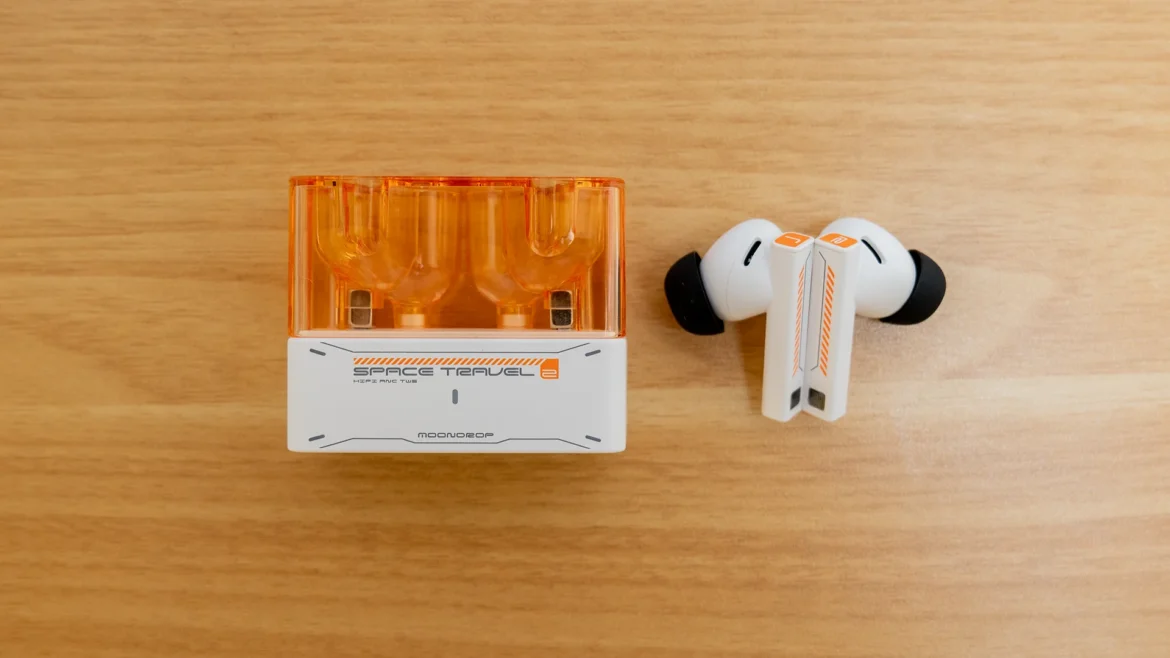
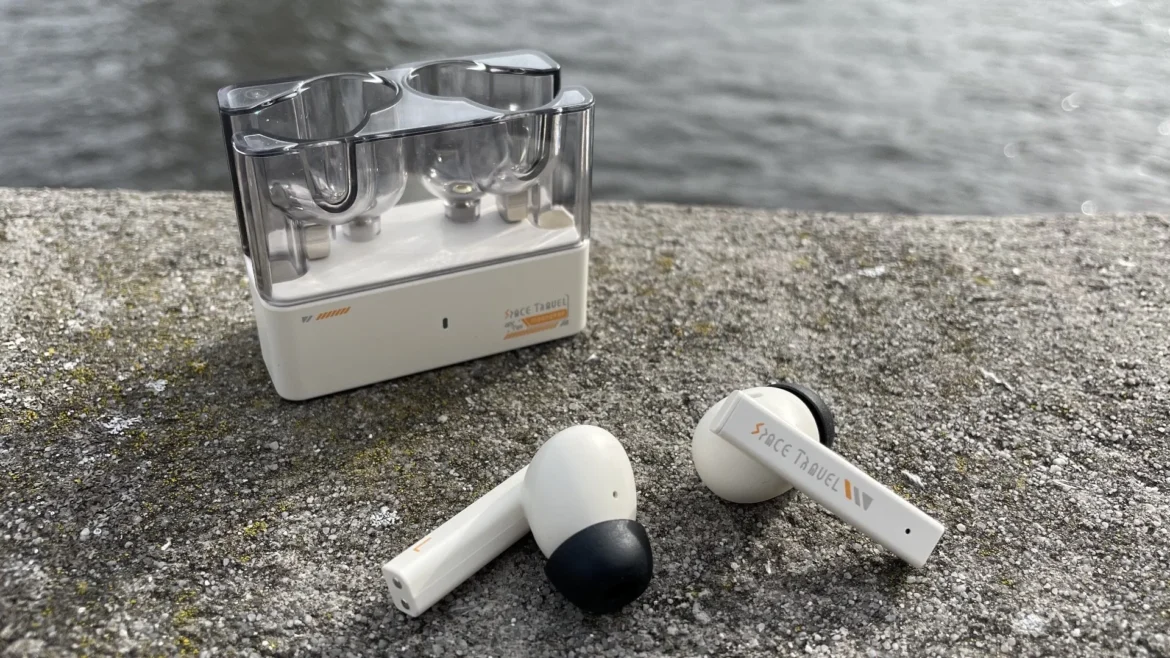
From the moment you unbox them, it’s clear the design leans functional: compact earbuds with silicone tips in multiple sizes and a charging case that — notably — does not have a lid. This lidless design draws mixed reactions, as it makes dust entry and accidental drops more likely, especially if you’re someone who tosses tech into bags.

Personally, I found them comfortable during a long afternoon of music and calls, though I did wish the stem‑fit were slightly smaller — especially on longer listening sessions.

How They Sound & Perform

Sound quality is, arguably, the heart of any good audio product — and here’s where opinions diverge.

Many reviewers praise a neutral to warm sound signature that doesn’t overemphasize bass or treble, making these a great fit for everyday genres like pop, jazz, and acoustic playlists. The tuning is aided by the Moondrop companion app, which offers customizable EQ targets so you can tailor the sound more precisely.

However, some listeners feel the sound is “compressed” and that bass and high‑end sparkle are modest compared to their expectations. EQ adjustments are helpful, but they don’t completely compensate if you want punchier lows or more shimmer in the highs.

Here’s a snapshot of how the Space Travel 2 compares with its predecessor and a more premium alternative:

Feature Space Travel 2 Original Space Travel Premium Mid‑Range Earbuds*
Bluetooth Version 6.0 5.3 5.3‑6.0
Active Noise Cancellation Yes (feedforward) Yes (weaker) Yes (stronger)
EQ Customization App‑based, flexible Basic Advanced
Battery Life (earbuds) ~7 hrs ~4 hrs ~6‑8 hrs
Total Battery w/ Case ~24 + ~12 ~24 +
Sound Signature Neutral‑Warm Warm Varied

*Note: “Premium Mid‑Range Earbuds” refers to typical earbuds priced $80‑$150.

What stands out is that while the Space Travel 2 improves features over its predecessor, it still doesn’t match the noise cancellation depth or refinement of higher‑tier models.

Battery & Connectivity

The Bluetooth 6.0 support means faster pairing and more stable connections than older Bluetooth versions. Dual‑device connectivity lets you switch between phone and laptop without re‑pairing — handy if you’re constantly bouncing between work calls and music.

Battery life is decent for the price: around 7 hours in the buds themselves and roughly three times that with the charging case. That’s respectable — particularly if you’re not a heavy all‑day listener.

Pros & Cons

Pros

  • Classic value proposition at ~30 USD
  • Bluetooth 6.0 & multipoint connection
  • App‑based EQ customization
  • ANC included at a very affordable price
  • Decent battery life

Cons

  • ANC is modest compared to premium rivals
  • Case lacks a protective lid
  • Sound character is subjective — EQ may be necessary
  • Variable fit comfort for some ear shapes

Who Should Buy the Space Travel 2?

If you’re into budget‑conscious listening, enjoy tweaking EQ settings, or want a feature‑rich wireless pair without spending a fortune, these earbuds are a solid choice. But if you prioritize top‑tier noise cancellation or premium sound detail, you might want to look toward higher‑end alternatives.

Read More: Swiss Travel Pass: Explore Switzerland Easily

Conclusion

In the crowded world of affordable true wireless earbuds, the Moondrop Space Travel 2 stands out by packing Bluetooth 6.0, ANC, dual connectivity, and customizable EQ into a very accessible price. They aren’t perfect — ANC isn’t industry‑leading, the case design is quirky, and sound quality can feel modest without EQ — but for under $40, they punch above their weight. For anyone dipping a toe into feature‑rich wireless audio without breaking the bank, they deserve a listen.

FAQs

1. Are Moondrop Space Travel 2 earbuds worth buying?
For budget seekers who appreciate customizable audio and decent ANC, yes — they offer great value. But if you want premium ANC or richer bass out of the box, consider higher‑tier options.

2. How long does the battery last?
You can expect around 7 hours of listening on a single charge and up to ~24 + hours with the case.

3. Do they have customizable sound?
Yes — the companion app lets you tweak EQ and save or share profiles with other users.

4. Is the ANC effective?
It provides modest noise reduction that’s useful for commuting or background noise, but it’s not as strong as ANC in premium earbuds.

5. Can they connect to two devices at once?
Yes — dual‑device connectivity lets you pair with both phone and laptop without repeated reconnection.

0 comments
0 FacebookTwitterPinterestEmail
Swiss Travel Pass: Explore Switzerland Easily

Switzerland is a dream destination for travelers who crave scenic train rides, picturesque towns, and smooth transport options. Whether it’s gliding through the snow-capped Alps or hopping between charming lakeside villages, navigating Switzerland can be a breeze with the Swiss Travel Pass. In this guide, we’ll explore everything you need to know, from benefits and costs to tips and real-life scenarios that make traveling smarter and more enjoyable.

What is the Swiss Travel Pass?

The Swiss Travel Pass is a prepaid travel card that allows unlimited access to Switzerland’s extensive public transport network for a set number of days. It covers trains, buses, ferries, and even some mountain excursions, making it ideal for tourists who want convenience without worrying about individual tickets.

Think of it as an all-in-one key to explore Switzerland at your pace, whether you’re planning a weekend getaway or a two-week adventure. I personally remember my first Swiss rail journey: hopping from Zurich to Lucerne, enjoying uninterrupted views, and not worrying about constantly buying tickets—it felt liberating.

Key Benefits of the Swiss Travel Pass

  1. Unlimited Travel: Use trains, buses, and ferries freely within the validity period.
  2. Access to Scenic Routes: Famous routes like the Glacier Express and Bernina Express are partially included.
  3. Free Museum Entry: Over 500 Swiss museums welcome you with no extra cost.
  4. Easy Travel Planning: No need to calculate individual tickets, reducing stress.
  5. Flexible Pass Durations: Choose from 3, 4, 8, or 15 consecutive days depending on your itinerary.

Real-Life Travel Insights

Imagine this: you land in Geneva early morning, excited to explore Lake Geneva, then take a scenic train to Montreux by noon. In the afternoon, you hop onto a ferry to admire the lakeside vineyards. By evening, you’re in Lausanne, checking into your hotel without ever buying a single ticket separately. This seamless travel experience is exactly what the Swiss Travel Pass offers—a stress-free journey where the focus is on exploration rather than logistics.

Comparing Swiss Travel Pass Options

To help you choose the best pass, here’s a quick comparison table:

Feature 3-Day Pass 8-Day Pass 15-Day Pass
Consecutive Days 3 8 15
Price (Adult) CHF 232 CHF 418 CHF 513
Museum Access Yes Yes Yes
Children under 16 Free with Family Card Free Free
Ideal For Short trips One-week trips Extended exploration

This table illustrates how the pass adapts to different travel plans, making it flexible whether you’re on a short city break or a full Swiss adventure.

Tips to Maximize Your Swiss Travel Pass

  • Plan Scenic Routes in Advance: Routes like Jungfrau, Zermatt, and Interlaken offer unmatched views.
  • Check Seasonal Offers: Some mountain excursions are included at a discount depending on the season.
  • Use Mobile Pass Options: The Swiss Travel Pass is digital, which means you can store it on your phone—no need to print tickets.
  • Combine With Regional Passes: Some regions offer additional cards for local attractions; using both can be cost-effective.

Unlocking Seamless Exploration

Unlike other European rail passes, the Swiss Travel Pass combines convenience, flexibility, and cultural access. It’s not just about moving from point A to B—it’s about the experience along the way. From historic trains gliding across Alpine valleys to museums showcasing Switzerland’s rich heritage, this pass turns travel into an immersive journey. Its seamless integration across modes of transport ensures you spend more time exploring and less time worrying about logistics.

Personal Experience

During my week-long trip, I vividly remember taking the morning train from Lucerne to Interlaken. As the train snaked through verdant valleys and past serene lakes, I realized the Swiss Travel Pass wasn’t just a ticket—it was a gateway to an unforgettable adventure, where every transfer was effortless and every stop worth savoring.

Read More: Mug Travel: Your Ultimate Guide to On-the-Go Sips

Conclusion

The Swiss Travel Pass is a game-changer for anyone visiting Switzerland. Its unlimited travel, flexible durations, and added perks like free museum entries make it a must-have for travelers seeking efficiency and comfort. Whether you’re hopping between cities, cruising scenic lakes, or exploring hidden mountain trails, this pass ensures your Swiss journey is seamless, memorable, and truly stress-free.

FAQs

Q1: Can I use the Swiss Travel Pass for mountain excursions?
A: Yes, while most standard routes are included, some premium mountain trains may require an additional reservation fee.

Q2: Is the Swiss Travel Pass valid for children?
A: Children under 16 travel free when accompanied by a parent holding a valid pass (Family Card required).

Q3: Can I buy the pass online?
A: Absolutely. It’s available digitally, allowing instant download to your smartphone.

Q4: How long should I get the pass for?
A: It depends on your itinerary—short trips can use a 3-day pass, while full exploration benefits from 8 or 15 days.

Q5: Does it cover all public transport?
A: The pass covers trains, buses, ferries, and most local transport, but some cable cars and mountain railways may have partial coverage.

0 comments
0 FacebookTwitterPinterestEmail
Mug Travel: Your Ultimate Guide to On-the-Go Sips

Whether you’re commuting to work, exploring new cities, or heading out for a weekend adventure, having the right mug travel companion can make a huge difference. A travel mug isn’t just a container—it’s a lifestyle choice that blends convenience, sustainability, and personal comfort. From keeping your coffee piping hot during a long drive to ensuring your smoothie stays cool at the gym, mug travel options have evolved far beyond the simple thermos.

Why a Travel Mug Is More Than Just a Mug

Unlike regular mugs, travel mugs are designed for mobility. They are often spill-resistant, insulated, and ergonomically crafted to fit in car cup holders or backpacks. In my experience, the first time I used a high-quality insulated travel mug during a road trip across the mountains, I realized it wasn’t just about keeping coffee warm—it was about maintaining energy, focus, and comfort throughout the journey.

A well-chosen mug travel companion can also reduce waste. Instead of grabbing a disposable cup every morning, you can refill your own mug, contributing to a more eco-friendly routine without sacrificing convenience.

Key Features to Consider in a Travel Mug

When choosing the perfect travel mug, consider these critical features:

  1. Material: Stainless steel, ceramic, and BPA-free plastic are the most common. Stainless steel offers durability and excellent insulation, while ceramic mugs provide a more authentic coffee experience.
  2. Insulation: Double-wall vacuum insulation keeps drinks hot or cold for hours, making it ideal for long commutes or hikes.
  3. Leak-Proof Design: Essential for travelers who want a worry-free experience in cars, bags, or public transport.
  4. Capacity & Portability: A mug that fits your drink needs without being too bulky for your bag or car holder.
  5. Ease of Cleaning: Dishwasher-safe or easy-to-disassemble lids can make your life easier and reduce bacterial growth.

Practical Applications of Travel Mugs in Everyday Life

Imagine you’re heading to an early morning meeting after a 45-minute commute. You need your coffee hot, your hands free, and a mug that won’t spill in your bag. A 16-ounce stainless steel travel mug with a twist-lock lid and ergonomic grip becomes your perfect companion. Not only does it keep your drink at the ideal temperature, but it also fits perfectly in your car cup holder. You arrive at work refreshed, without the usual coffee-spillage stress—a small change with a huge impact on your daily routine.

Comparing Popular Travel Mug Options

Here’s a quick comparison of common travel mug types to help you make an informed choice:

Feature Stainless Steel Mug Ceramic Travel Mug BPA-Free Plastic Mug
Insulation Excellent (Hot & Cold) Moderate Moderate
Durability High Fragile High
Weight Medium Heavy Light
Spill Resistance Excellent Moderate Good
Eco-Friendliness High High Moderate
Ideal For Long commutes, travel Office, home use Gym, short trips

This table highlights the strengths of each mug type, helping travelers pick the right companion for their lifestyle.

Why the Right Travel Mug Transforms Your Daily Routine

One subtle but powerful benefit of using a travel mug is its contribution to mental clarity and comfort during hectic days. Having your favorite drink at the right temperature, in a mug that feels familiar and fits seamlessly into your routine, can create small moments of joy and stability amidst chaos. That unique blend of convenience, sustainability, and personal satisfaction is what makes investing in a quality travel mug truly worthwhile.

Tips for Maintaining Your Travel Mug

  • Regular Cleaning: Wash the mug daily to prevent stains and odors.
  • Avoid Harsh Chemicals: Use gentle detergents to maintain the integrity of insulation and material.
  • Store Properly: Keep the lid off when not in use to allow airflow and prevent mold.
  • Check Seals: Ensure silicone or rubber seals are intact for maximum leak resistance.

Read More: Moondrop Space Travel: Explore Beyond the Horizon

Conclusion

Mug travel is more than a practical accessory—it’s a lifestyle enhancer. Choosing the right travel mug can simplify your mornings, make commutes enjoyable, and reduce environmental impact. Whether you prioritize insulation, durability, or aesthetic appeal, a well-selected travel mug will quickly become an essential part of your daily routine, combining convenience with style in every sip.

FAQs

Q1: How long can a travel mug keep beverages hot or cold?
Most double-wall insulated mugs can keep drinks hot or cold for 4–8 hours, depending on the material and lid design.

Q2: Can I put my travel mug in the dishwasher?
It depends on the material and manufacturer. Stainless steel mugs are often top-rack dishwasher safe, but check the lid instructions.

Q3: Are travel mugs eco-friendly?
Yes. Using a reusable mug reduces disposable cup waste, contributing positively to the environment.

Q4: Which size travel mug is ideal for daily use?
A 12–16 ounce mug balances capacity with portability for most daily routines, including commuting and workouts.

Q5: Can I use a travel mug for beverages other than coffee or tea?
Absolutely. Travel mugs work well for smoothies, protein shakes, hot chocolate, and even cold water.

0 comments
0 FacebookTwitterPinterestEmail
Moondrop Space Travel: Explore Beyond the Horizon

Imagine looking up at the night sky and knowing that soon, you could actually fly among the stars. That’s the promise behind Moondrop Space Travel, a cutting-edge venture transforming the way humans explore the cosmos. Unlike traditional space tourism, Moondrop focuses on delivering immersive, safe, and scientifically thrilling experiences that make space feel accessible—not just a dream.

The Rise of Commercial Space Tourism

Space travel has long been the domain of government agencies and elite astronauts. Yet, in recent years, private companies have begun democratizing access to the final frontier. Moondrop Space Travel stands out by combining advanced aerospace engineering with customer-centric experiences, offering more than just a flight—it provides a journey into wonder.

From my personal experience attending one of their simulation events, the sense of anticipation and the realistic zero-gravity sensations were unlike anything I had felt before, leaving a lasting impression that words can barely capture.

How Moondrop Space Travel Works

At the core, Moondrop utilizes suborbital flights that reach the edge of space, providing a few minutes of weightlessness and breathtaking views of Earth. Their proprietary capsule design ensures comfort, safety, and stunning visibility. Passengers undergo a brief but thorough training program, preparing them for the physical sensations of takeoff, microgravity, and reentry.

A real-world scenario illustrates this well: imagine an engineer from Tokyo participating in a Moondrop flight. After months of remote training, they board the capsule, experience the stunning curvature of Earth, and return with a renewed perspective on environmental preservation—something that traditional vacations rarely inspire.

Why Moondrop Space Travel Stands Out

What makes Moondrop Space Travel exceptional is the balance between thrill and accessibility. Many space tourism ventures focus solely on exclusivity or extreme adventure, but Moondrop combines:

  • Safety protocols at NASA-level standards
  • Immersive educational content for curious minds
  • Eco-conscious practices to minimize carbon impact

This approach ensures passengers gain both emotional and intellectual rewards, making the experience transformational rather than just recreational.

Comparison Table: Moondrop vs. Other Space Tourism Options

Feature Moondrop Space Travel Competitor A Competitor B
Duration of Weightlessness 5–7 minutes 3–5 minutes 4–6 minutes
Safety Measures Advanced NASA-level Standard Moderate
Accessibility (Tickets/Cost) Moderate/Inclusive High/Exclusive Moderate
Educational Content Yes, immersive Limited Basic
Environmental Consideration Strong focus Low Medium

The table clearly shows why Moondrop isn’t just another space tourism provider—it prioritizes meaningful experiences while maintaining high safety and sustainability standards.

Preparing for Your Moondrop Flight

Preparation is surprisingly user-friendly. Passengers receive personalized guidance on physical readiness, including mild exercise routines and mental conditioning. Unlike traditional astronaut training, which spans years, Moondrop’s approach compresses preparation into a few weeks, focusing on comfort, safety, and maximizing the experience of microgravity.

Passengers also undergo virtual reality simulations, giving them a taste of the flight. This reduces anxiety and enhances the excitement, creating a narrative journey even before boarding.

Why It’s More Than Just a Trip

Moondrop Space Travel is redefining adventure tourism. Beyond the thrill of seeing Earth from space, it inspires curiosity, promotes science literacy, and fosters environmental awareness. Each trip becomes a personal story—an opportunity to reflect on humanity’s place in the universe while enjoying a once-in-a-lifetime experience.

In essence, it’s not just about going to space—it’s about returning with a fresh perspective on life and our planet.

Read More: Ultimate Iceland Travel Itinerary Guide 2026

Conclusion

Moondrop Space Travel represents the next evolution in space tourism. With its blend of safety, education, environmental responsibility, and sheer adventure, it provides more than a trip—it offers a transformational experience. Whether you’re an adventurer, a science enthusiast, or someone seeking a unique personal milestone, Moondrop opens the door to the stars.

FAQs

1. How much does a Moondrop flight cost?
Prices vary depending on the package and timing, but Moondrop strives to maintain moderately accessible pricing compared to other premium space tourism options.

2. Is Moondrop Space Travel safe for everyone?
Yes, passengers undergo health screening and training to ensure safety. While generally safe, those with serious medical conditions should consult their physician.

3. How long is the space flight?
Flights last around 60–90 minutes, including 5–7 minutes of weightlessness at the edge of space.

4. Do passengers need prior space experience?
No prior experience is necessary. Moondrop provides comprehensive preparation and VR simulations to make the journey comfortable.

5. What makes Moondrop different from other space tourism companies?
Unlike competitors, Moondrop combines safety, sustainability, and immersive educational experiences, ensuring a meaningful and transformational journey.

0 comments
0 FacebookTwitterPinterestEmail
Newer Posts