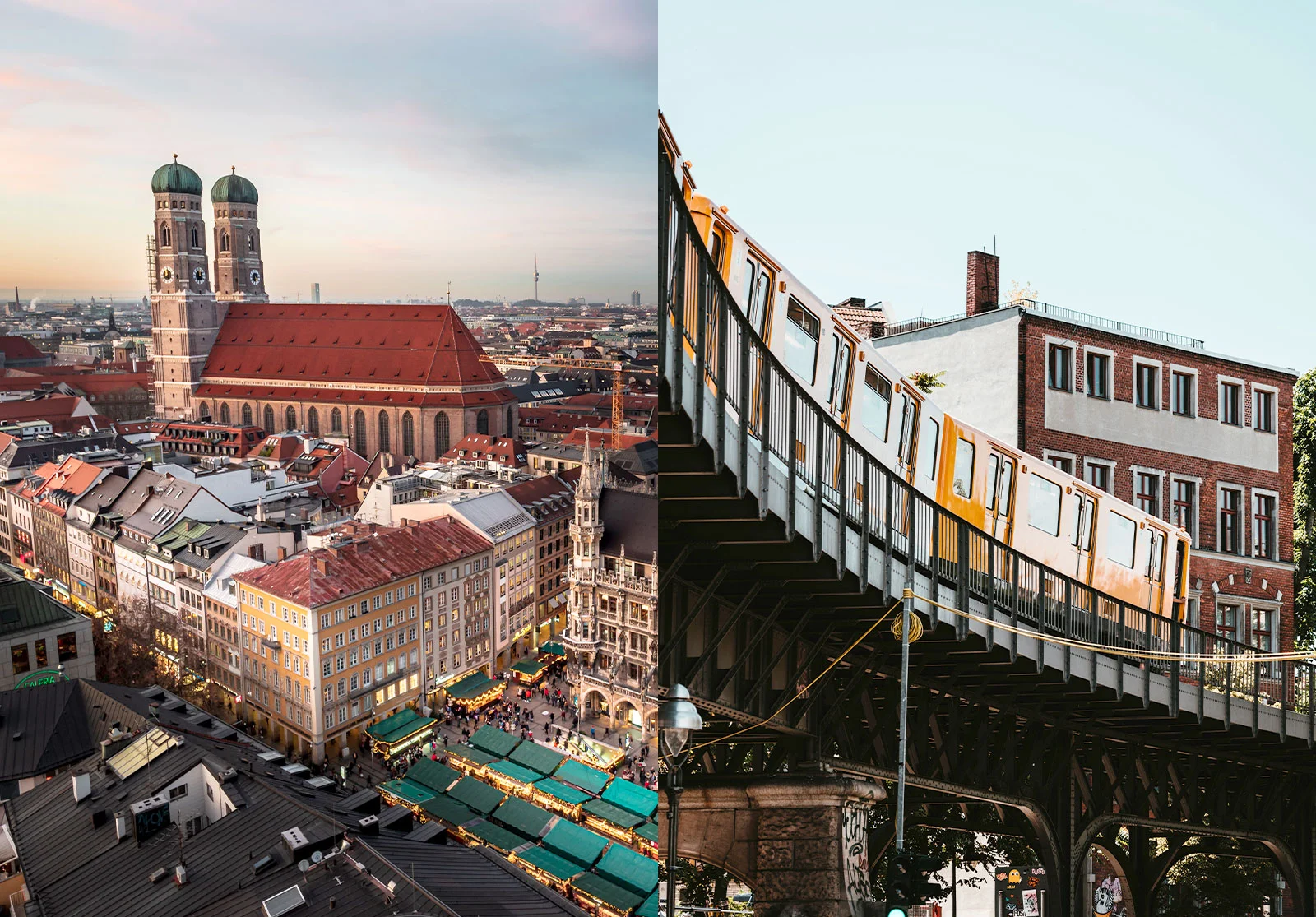
Germany’s two most famous cities, Berlin and Munich, offer distinctly different experiences for residents, students, travelers, and professionals. Berlin, the nation’s capital, is celebrated for its rich history, vibrant cultural scene, and diverse population. It is a hub for art, music, and innovation, attracting creative minds from around the globe. Munich, the capital of Bavaria, offers a contrasting charm with its blend of traditional German culture, economic stability, and proximity to scenic landscapes, including the Alps.
Many people weigh factors such as cost of living, job opportunities, lifestyle, and leisure activities before deciding which city fits their needs. While Berlin tends to attract those seeking cultural diversity, startups, and affordable living, Munich appeals to those valuing safety, high-quality life, and professional opportunities. This article provides a detailed comparison of both cities to help you make an informed choice about living, working, or visiting in Germany.
1. Historical and Cultural Identity
Berlin – A City Shaped by History
Berlin’s identity has been forged by pivotal historical events. From the Prussian era to the impact of World War II and the Cold War division symbolized by the Berlin Wall, the city embodies resilience and reinvention. Today, Berlin is a cosmopolitan hub featuring world-class museums, contemporary art galleries, historic neighborhoods, and lively nightlife. The city attracts artists, students, and entrepreneurs drawn to its creative and open-minded environment. Its history and culture are visible on every street, making it a city where the past and present coexist seamlessly.
Munich – Tradition and Modernity
Munich is rooted in Bavarian traditions while embracing modern living. The city is famous for Oktoberfest, historic architecture, and cultural institutions like opera houses and museums. Munich’s blend of history, festivals, and contemporary lifestyle offers a structured and family-friendly environment. The city’s economy is strong, supported by industries like engineering, automotive, finance, and technology, contributing to its reputation as one of Germany’s wealthiest and most stable cities.
2. Cost of Living
Housing
Housing is a major factor in city choice. Berlin has historically been more affordable, though rents have risen in recent years. Apartments in the city center are moderately priced, while suburban options are cheaper. Munich, by contrast, is one of Germany’s most expensive cities for housing, with high demand and limited availability pushing rental prices higher.
Typical Monthly Rent:
-
Berlin: 1-bedroom apartment in the city center costs approximately €1,200–€1,400; outside the center €900–€1,000.
-
Munich: 1-bedroom apartment in the city center costs approximately €1,600–€2,200; outside the center €1,400.
Daily Expenses
Berlin offers lower prices for groceries, dining, and entertainment. Munich, while slightly more expensive, provides a high quality of public services, cleanliness, and organized infrastructure that many residents find valuable. Both cities have reliable and efficient public transportation, but Berlin’s system covers a more extensive urban area, while Munich’s is known for punctuality and comfort.
3. Employment and Economic Opportunities
Berlin – Startups and Creative Industries
Berlin has become a leading hub for startups, technology, and creative industries. Many entrepreneurs and professionals are drawn to its innovative environment, relatively low living costs, and international workforce. The city’s job market is competitive in tech, media, and arts, with opportunities often concentrated in startups and small-to-medium enterprises.
Munich – Traditional Industries and Stability
Munich’s economy is anchored by traditional sectors such as automotive, engineering, finance, and biotechnology. The city hosts multinational corporations and offers high-paying professional roles. While living costs are higher, many residents find that salaries and social benefits make Munich a stable and rewarding place for long-term residence.
4. Lifestyle and Social Environment
Berlin – Diverse and Dynamic
Berlin is vibrant, young, and diverse. The city fosters alternative lifestyles, cultural experimentation, and social inclusivity. Its nightlife, street art, music festivals, and cultural events make it particularly appealing to students, young professionals, and creatives. The city is also internationally oriented, with a mix of expatriates and locals contributing to a multicultural atmosphere.
Munich – Safety and Tradition
Munich provides a structured, secure, and family-oriented lifestyle. The city is ideal for those who appreciate traditional culture, social stability, and outdoor activities. Residents enjoy access to parks, cycling paths, recreational facilities, and nearby mountains. Munich balances a high standard of living with an organized, predictable environment.
5. Travel and Tourism
Berlin – History and Modernity
Berlin offers iconic attractions like the Brandenburg Gate, Berlin Wall memorials, Museum Island, and vibrant neighborhoods like Kreuzberg and Friedrichshain. The city blends historic landmarks with modern architecture and dynamic cultural experiences. Berlin’s public transport and extensive walkable districts make it easy for visitors to explore urban life.
Munich – Scenic and Cultural
Munich combines cultural highlights with natural beauty. Key attractions include Marienplatz, Nymphenburg Palace, and the annual Oktoberfest. The city is a gateway to the Bavarian Alps, lakes, and outdoor adventures. Visitors enjoy both historic charm and opportunities for nature exploration, making Munich a unique mix of urban and outdoor experiences.
6. Education and Universities
Both cities host prestigious universities, attracting students from Germany and abroad.
-
Berlin: Humboldt University, Free University, Berlin University of the Arts, known for humanities, social sciences, and creative programs.
-
Munich: Technical University of Munich (TUM) and Ludwig Maximilian University (LMU), highly ranked in STEM, medicine, and business.
Berlin is slightly more affordable for student living costs, while Munich offers a highly structured academic environment and strong industry links for internships and research.
7. Pros and Cons
Berlin
Pros:
-
Affordable living compared to Munich.
-
Vibrant cultural and creative scene.
-
Dynamic startup ecosystem and innovation hub.
Cons:
-
Rising rents and gentrification.
-
Some areas feel over-commercialized.
Munich
Pros:
-
High quality of life with safety and cleanliness.
-
Strong job market with higher average salaries.
-
Access to nature and outdoor activities.
Cons:
-
High cost of living and housing scarcity.
-
More traditional social atmosphere, less international diversity.
8. Transportation and Infrastructure
Both cities provide excellent public transportation. Berlin’s U-Bahn, S-Bahn, trams, and buses cover a large metropolitan area, making commuting straightforward. Munich’s transport system is punctual, clean, and well-organized, connecting the city efficiently to suburbs and nearby natural destinations. Cycling is popular in both cities, with dedicated bike lanes and rental options.
9. Nightlife and Entertainment
Berlin is famous for its nightlife, clubs, music festivals, and cultural events. From techno clubs to art exhibitions, the city never sleeps and appeals to young adults and creative communities. Munich offers a more relaxed nightlife with pubs, beer gardens, and traditional Bavarian events, suitable for families and those who prefer cultural entertainment in a calmer setting.
Read More: Is United Airlines a Good Choice? A Complete Review
Conclusion
Berlin and Munich each offer unique experiences. Berlin attracts individuals seeking creative opportunities, cultural diversity, and slightly more affordable living. Its rich history, thriving arts scene, and international character make it a dynamic and cosmopolitan city. Munich, with its strong economy, high safety standards, and picturesque surroundings, is ideal for families, professionals, and those who prioritize stability and quality of life. While living costs are higher, Munich offers excellent career opportunities, outdoor activities, and traditional cultural experiences.
The choice between Berlin and Munich ultimately depends on your personal priorities: if you value culture, innovation, and affordability, Berlin may be the right fit; if you prioritize stability, professional growth, and scenic surroundings, Munich may be your ideal city. Both cities are vibrant, world-class, and offer enriching experiences for residents and visitors alike.
FAQs
1. Which city is more affordable to live in?
Berlin is generally more affordable in terms of rent, daily expenses, and lifestyle costs.
2. Which city has better job opportunities?
Munich offers higher-paying jobs in traditional industries, while Berlin is strong in startups and creative sectors.
3. Which city is better for students?
Berlin is more affordable and culturally vibrant, making it ideal for students.
4. Which city is safer for families?
Munich ranks higher for safety, family-friendly amenities, and organized living conditions.
5. Which city offers better cultural experiences?
Berlin offers diverse, international, and alternative cultural experiences; Munich offers traditional festivals and historic charm.