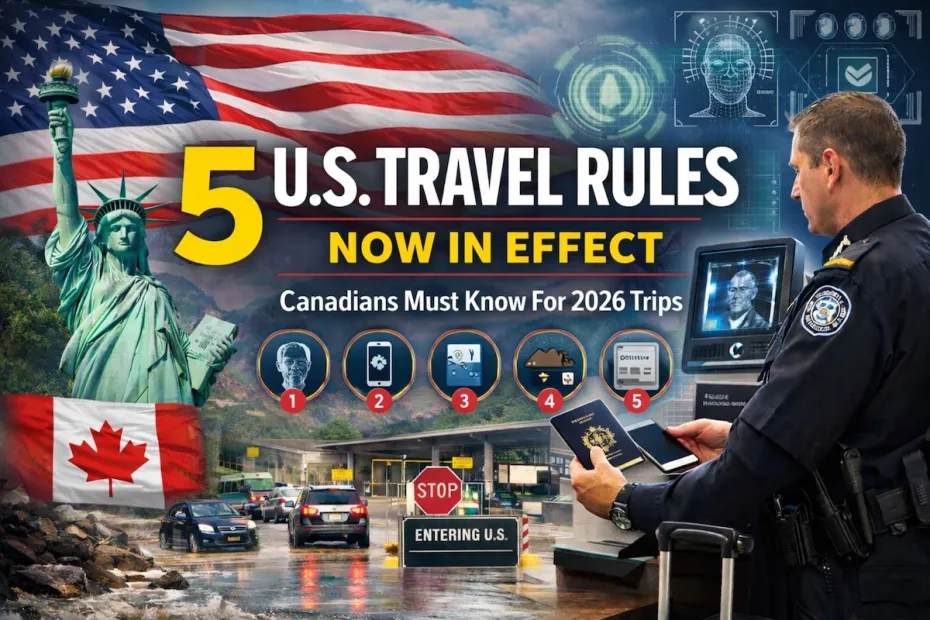
In early 2026, a curious phrase has been popping up across travel forums, airline reports, and policy updates: Canada freezes US travel. It sounds dramatic—but it doesn’t mean Canada has shut its borders or imposed a formal ban on travel to the United States. Instead, what’s unfolding is a complex combination of airline route cuts, shifting traveler behavior, and evolving regulatory climates between the two countries. Let’s break down what’s happening, why it matters for travelers and businesses, and what’s likely ahead.
What’s Behind the “Freeze” Trend?
Although the phrase makes it sound like a government-mandated stoppage, there is no official travel ban barring Canadians from visiting the U.S. The Government of Canada currently classifies travel to the United States at a “take normal security precautions” advisory level — which means travel isn’t prohibited but should be planned with awareness of safety and logistics.
However, three key forces are contributing to a de facto slowdown:
1. Airlines Cutting Routes
Major Canadian carriers such as WestJet, Air Canada, and Flair Airlines have trimmed or suspended several routes to U.S. destinations (e.g., Boston, Los Angeles, San Francisco, and Atlanta) due to weaker demand and shifting business strategies toward more profitable markets like Europe.
This is why many people feel as if “travel has stopped” — flights are simply less frequent, making planning less convenient and more expensive.
2. Canadian Travel Demand Has Fallen
Recent data and polling show that fewer Canadians are choosing the U.S. as a travel destination. Surveys indicate that a significant share of Canadians are less likely to cross the border for leisure than in previous years, with many citing political tensions, uncertainty at border crossings, and a desire to explore other destinations.
In one real-world scenario, local tourism boards in U.S. border cities like Lewiston, New York, reported that their businesses — from diners to boutique shops — are seeing revenues drop sharply because Canadian visitors aren’t coming as often as they used to.
3. Border Protocols and Security Perceptions
While formal visa-free travel remains possible (for most Canadians), there’s been an uptick in reported border experience challenges — from more intense document checks to increased scrutiny of digital devices — which shape public perception and travel comfort levels.
A Practical Comparison: Pre‑2025 vs. 2026 Travel Dynamics
Here’s a snapshot of how cross‑border travel patterns have shifted:
| Aspect | Before 2025 | As of 2026 |
|---|---|---|
| Airline service volume | Frequent routes between major cities | Reduced flights on many Canada–U.S. routes |
| Canadian travel appetite | Strong seasonal travel south (e.g., Florida) | Declining interest; rise in alternative destinations |
| Border experience | Routine CBP/CBSA inspections | More document and device screening reported |
| Business impact | U.S. border towns rely on Canadian spending | Noticeable drops in retail and tourism revenue |
Note: Even though traveler habits have changed, no formal Canadian government restriction bans travel to the U.S. outright.
What’s Driving the Shift in More Detail
Economic and Political Context
Beyond the airlines, broader geopolitical and economic issues have tinted how Canadians view southward travel. Tensions over tariffs, contentious political rhetoric, and debates about border enforcement have created a sense of unease for some potential travelers. This isn’t a formal freeze, but it’s a major part of the psychology of travel decision‑making in 2026.
Travel Alternatives Rising
Canadians aren’t stopping travel altogether — they’re just doing it differently. Caribbean destinations like Mexico and the Dominican Republic, European tours, and domestic Canadian travel are on the rise, partially filling the gap left by reduced U.S. trips.
Personal Perspective Example
I personally saw this shift firsthand when my friend — usually an annual visitor to Florida in winter — opted instead for a scenic Canadian road trip because he felt more comfortable staying closer to home and avoiding long wait times at U.S. border checkpoints.
What It Means for Travelers and Businesses
For Travelers
- Planning matters more now: Fewer flights mean flexibility can save you money.
- Know border requirements: While travel isn’t banned, having proper documents and a plan for potential scrutiny can ease entry.
- Explore alternatives: Other international destinations or domestic experiences might offer better value and less hassle.
For Businesses
- Adapt marketing: U.S. border‑read businesses might focus on domestic customers or tourists from other regions.
- Evaluate partnerships: Travel agencies and carriers are pivoting routes — aligning with new travel trends helps stay competitive.
Read More: Travel Backpack Tips: Choose the Perfect Bag
Conclusion
The phrase “Canada freezes U.S. travel” doesn’t refer to an official, government‑imposed closure of the border. Instead, it’s shorthand for a notable downturn in travel patterns, shaped by airline route cuts, evolving traveler preferences, and shifting geopolitical perceptions. Canadian travelers are less inclined to head south than they were a few years ago, and that trend is reshaping tourism economics on both sides of the 49th parallel.
Whether you’re planning a trip, running a tourism business, or just trying to understand what’s currently happening, the landscape has certainly shifted — but travel between Canada and the U.S. remains very much possible.
FAQs
Is travel between Canada and the U.S. banned now?
No, citizens and eligible visitors can still travel; there’s no formal ban. What’s changed most is travel demand and airline route availability.
Are flights between Canada and U.S. cities canceled permanently?
Some flights have been reduced or paused, but not permanently discontinued in all cases. Routes can return if demand increases.
Do Canadians need visas to go to the U.S.?
Most Canadians do not need visas for short stays; standard passport and identification apply, though border screening can be more thorough.
Why are fewer Canadians traveling to the U.S.?
A mix of economic factors, political perceptions, and the availability of attractive alternative destinations contributes to the decline.
Will this trend reverse?
Travel patterns often shift with changing economic conditions and diplomatic climates, so it’s possible we’ll see more Canada–U.S. travel in the future as incentives or relationships evolve.