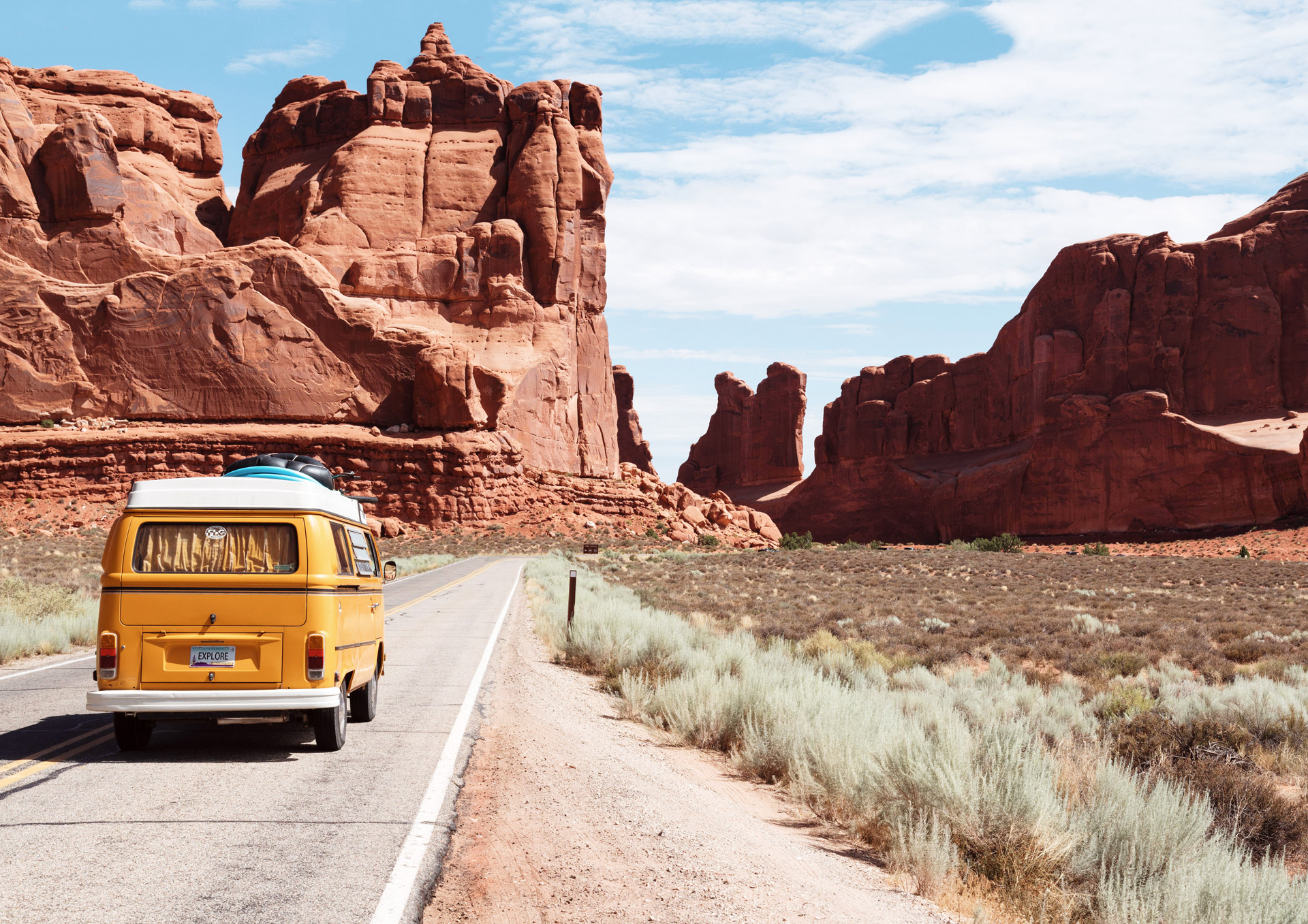
Few adventures rival the excitement of an American road trip — a journey across highways and backroads that unlocks natural wonders, cultural landmarks, and unexpected local charm. Whether cruising the classic Route 66, winding along the Pacific Coast, or discovering historic byways through national parks and small towns, an American road trip promises freedom, flexibility, and memories that last a lifetime.
Spanning thousands of miles, these journeys let travelers engage with diverse landscapes, communities, and experiences at their own pace — all from behind the wheel. But hitting the road without a plan can be overwhelming. From budget and safety planning to route choices and cultural experiences, this guide will help you make your American adventure both rewarding and stress‑free.
1. Why an American Road Trip Is a Bucket-List Experience
The United States is uniquely suited to road travel:
-
Vast and varied geography: From coastal highways to desert plains, mountains, forests, and historic towns, the U.S. road network connects breathtaking landscapes.
-
Iconic routes: Roads like Route 66 have achieved legendary status, with roadside culture, vintage diners, and nostalgic attractions that capture the essence of American travel.
-
Cultural diversity: Each region has distinct food, music, traditions, and attractions — from Southern BBQ to New England coastlines or Southwestern canyons.
-
Flexibility & freedom: Unlike fixed itineraries of flights and trains, road trips let you choose timing, stops, pace, and even add spontaneous detours.
2. Choosing the Right Route: Classic & Must-See Drives
There’s no single “best” road trip in the USA — but there are iconic and highly recommended options:
Route 66 — The Classic American Trail
Often called the “Mother Road,” Route 66 stretches from Chicago to Los Angeles, slicing through eight states and offering neon signs, quirky roadside stops, and Americana culture at every turn.
Pacific Coast Highway — California’s Scenic Masterpiece
Also known as Highway 1, this route runs along the dramatic California coastline from San Diego to San Francisco, famed for ocean views, redwoods, and seaside towns.
Great River Road — Along the Mighty Mississippi
Tracing the Mississippi River from Minnesota to Louisiana, this route blends scenic beauty with cultural stops in small towns and river cities.
Interstate 90 — Coast-to-Coast Adventure
The nation’s longest interstate, I‑90 can take you from Seattle to Boston, weaving through varied landscapes and urban highlights.
Regional Highlights & Themed Trips
-
Blues Highway: Dive into music history across Tennessee and Mississippi.
-
Blue Ridge Parkway: Autumn foliage and rolling hills of Appalachia.
-
Southern Music & Food Tour: Southern cuisine, jazz, and blues from Tennessee to Louisiana.
3. How to Plan Your American Road Trip
Good planning ensures an enjoyable journey. Here are expert-backed steps:
Set Your Budget
Average road trip costs vary widely — from budget camping and DIY food prep to hotel stays and dining out. Expect around $150 per day as a general guideline.
Decide Duration & Distance
Think realistically about daily driving: long stretches can lead to fatigue. Plan shorter driving days with scenic stops. Ideally, many travelers aim for 100–300 miles per day.
Choose Your Vehicle & Safety Prep
-
Inspect your vehicle before departure — oil, tires, brakes, fluid levels.
-
Carry an emergency kit with tools, first aid, water, and snacks.
-
Learn local road rules and stay rested — taking breaks every few hours reduces fatigue.
Navigation & Tools
-
Use navigation apps or offline maps to calculate fuel, time, and interesting stops.
-
Download offline routes in areas where signal may fade.
Book Key Stays & Parks in Advance
Popular parks like Yosemite, Arches, or Glacier often require reservations — secure slots early, especially in peak seasons.
Fuel & Cost Savings
-
Gas prices can vary widely between states — plan refueling accordingly.
-
Pack food and drinks to reduce frequent dining costs.
-
Consider camping or RV parks versus hotels for a budget approach.
4. Road Trip Safety & Etiquette
Safety is key:
Driving Habits
-
Keep your gas tank above ¼ full — fuel stations can be sparse in remote areas.
-
Know road signs and speed limits — enforceability varies by region.
Respect Nature & Wildlife
-
In parks, stay on marked roads; keep distance from wildlife.
-
Follow Leave No Trace principles to protect natural areas.
Share the Road
-
Watch for large trucks and give them space.
-
Be patient with local traffic and road conditions.
5. Cultural Experiences & Local Stops
An American road trip is not just about scenery:
-
Historic towns & museums: Stop at local history sites and roadside museums on routes like Route 66.
-
Music & food: Experience blues in the South, BBQ in Texas, seafood in New England, and craft beers in the Rockies.
-
Festivals & events: Plan around local fairs, music festivals, or regional markets to enrich your trip.
-
Hidden gems: Small towns often have unexpected charm — antique shops, local diners, scenic lookouts, and friendly encounters.
Read More: Travel the World on a Budget: Nomadic Matt’s Ultimate Guide
Conclusion
An American road trip is more than a vacation — it’s a transformative journey through the heart of one of the world’s most diverse and scenic nations. From the retro charm of Route 66 and the coastal beauty of the Pacific Coast Highway to the cultural richness of the Mississippi River and the historic byways weaving through mountains and cities, every road offers its own story.
With thoughtful planning, safety preparedness, and a flexible approach that embraces the unexpected, travelers discover hidden gems, authentic local experiences, and unforgettable views at every turn. Whether you’re a first-timer or a seasoned traveler, this guide provides essential insights to make your road trip smooth, affordable, and truly memorable. Fuel up, map your route, and hit the open road — the adventure of a lifetime awaits, offering freedom, discovery, and memories you’ll cherish forever.
FAQs
1. What is the best time of year for an American road trip?
Spring and fall are ideal for moderate weather, fewer crowds, and colorful landscapes. Northern routes are best in summer due to snow closures.
2. How much money should I budget per day?
A rough estimate is about $150 per day, including fuel, food, lodging, and activities. Budget options can be cheaper with camping or DIY meals.
3. Which route is considered the most iconic?
Route 66 is widely recognized as the quintessential American road trip, blending history, culture, and classic roadside experiences.
4. Do I need reservations for national parks?
Yes — many parks require timed entry reservations in peak seasons, especially Yosemite, Arches, and Glacier.
5. What safety tips should I follow on long drives?
Keep your vehicle well-maintained, rest frequently, monitor fuel, and carry emergency supplies. Drive cautiously and be prepared for varying road conditions.