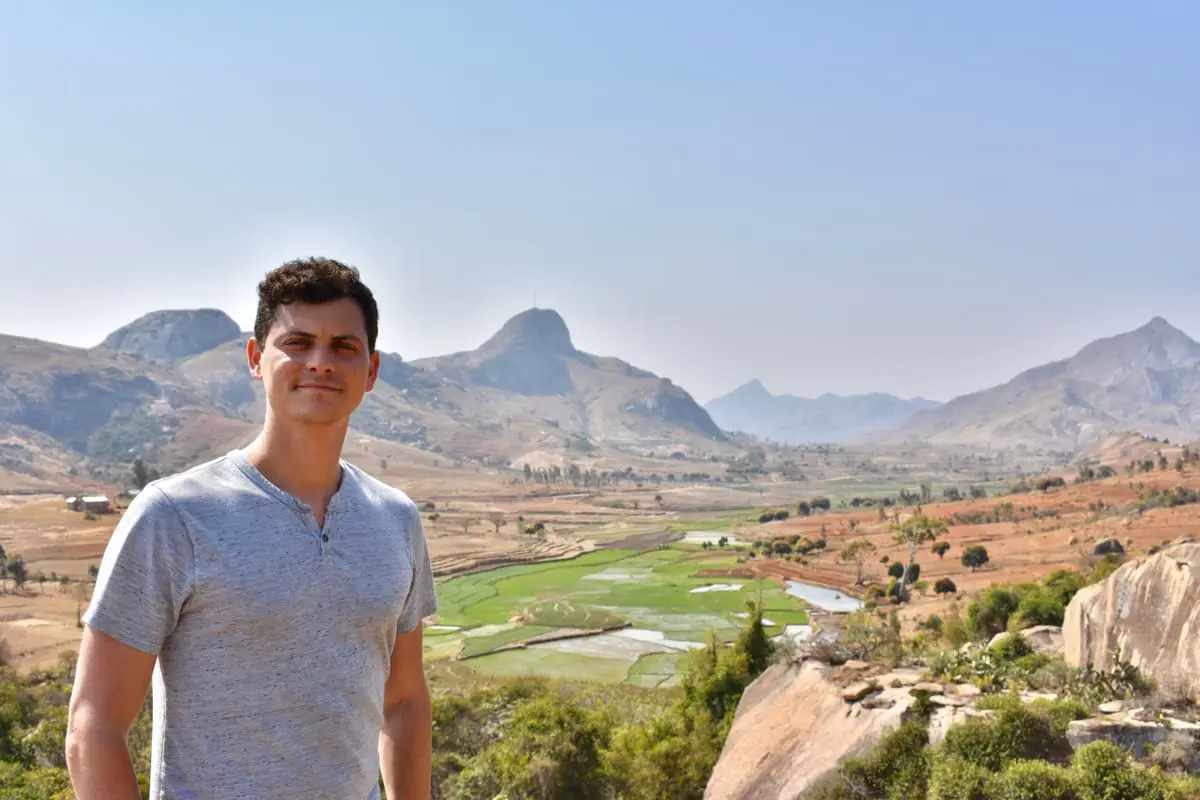
Traveling the world may seem like a dream reserved for the wealthy, but with the right strategies, anyone can make it a reality. Travel blogger Nomadic Matt has shown that smart planning, frugal habits, and resourceful thinking can turn even the tightest budget into a passport to adventure.
This guide will walk you through the principles, tips, and practical steps to explore the globe affordably, without sacrificing experiences or comfort. Whether you are a student, a professional with limited leave, or someone planning a long-term journey, these strategies will help you maximize your travel potential while minimizing costs.
Why Budget Travel Matters
Traveling on a budget is more than just saving money; it’s about unlocking opportunities and creating experiences that would otherwise be impossible. Budget travel allows you to:
-
Extend your trip: Lower costs mean longer stays.
-
Experience local culture: Staying in hostels or homestays often immerses you in local life.
-
Reduce stress: Financial flexibility makes trips less stressful.
-
Build travel skills: Negotiating, planning, and resourcefulness improve as you travel smarter.
Nomadic Matt emphasizes that travel is not about luxury but about meaningful experiences. Budgeting effectively frees you to explore deeper and more authentically.
Planning Your Budget Travel
1. Set a Realistic Travel Budget
Before you pack your bags, determine how much you can spend monthly and per destination. Consider costs like:
-
Accommodation
-
Food and drinks
-
Transportation
-
Activities and attractions
-
Travel insurance
Nomadic Matt suggests starting with a daily budget and adjusting based on destination. Southeast Asia, Central America, and Eastern Europe, for example, allow for lower daily costs than Western Europe or North America.
2. Choose Affordable Destinations
Your destination greatly influences your budget. Research countries where your currency goes further. Some top budget-friendly countries include:
-
Asia: Thailand, Vietnam, Cambodia
-
Central America: Guatemala, Nicaragua
-
Eastern Europe: Romania, Bulgaria, Poland
By focusing on cost-effective destinations, you can travel longer without financial strain.
3. Plan the Timing
Traveling during the off-season can save up to 50% on flights and accommodation. Avoid holidays and peak tourist periods, and take advantage of mid-week travel deals.
Saving on Flights
Flights often consume the largest portion of a travel budget, but Nomadic Matt has proven that smart strategies make them manageable.
1. Be Flexible with Dates and Airports
Flexibility can save hundreds of dollars. Consider alternative airports, mid-week flights, and layovers to find cheaper options.
2. Use Flight Comparison Tools
Tools like Skyscanner or Google Flights allow you to compare prices across months. Price alerts notify you when fares drop.
3. Consider Budget Airlines
Budget carriers often offer lower rates, but read fine print to avoid extra fees for baggage or seat selection.
4. Travel Slowly
The slower you travel, the fewer flights you take. Overland travel by bus, train, or ferry is usually cheaper and offers local experiences.
Accommodation Tips for Budget Travelers
Accommodation is another major expense, but creative solutions exist.
1. Hostels and Guesthouses
Hostels offer dorm beds and private rooms, often at a fraction of hotel prices. Many also include kitchens, enabling further savings.
2. Home Exchanges and Couchsurfing
Platforms like Couchsurfing or home exchange networks provide free stays with locals, fostering cultural immersion.
3. Short-Term Rentals
Airbnb or local rentals sometimes cost less than hotels, especially for longer stays. Cooking your meals also reduces daily expenses.
4. Volunteer or Work Exchange
Volunteering on farms or hostels in exchange for accommodation can significantly cut costs while offering unique experiences.
Food on a Budget
Eating well doesn’t have to break the bank.
1. Eat Like a Local
Street food, local markets, and small eateries are cheaper and more authentic than tourist restaurants.
2. Cook Your Own Meals
If staying in a hostel with a kitchen, buy groceries and cook your own meals. It’s healthier and cheaper.
3. Avoid Tourist Traps
Restaurants in tourist hotspots can be 2–3 times more expensive than local alternatives.
Transportation Tips
Transportation costs can quickly add up, but smart strategies help.
1. Public Transit
Local buses, trains, and subways are cheaper than taxis or ride-hailing apps.
2. Walk or Bike
Many cities are walkable or bike-friendly. It’s free, healthy, and allows closer exploration.
3. Travel Passes
Some cities and countries offer travel passes that reduce costs for unlimited use of public transit.
4. Long-Distance Buses and Trains
Overland travel is often cheaper than flights, especially in Europe, Asia, and South America.
Money-Saving Hacks
Nomadic Matt highlights a few universal strategies to stretch your budget:
-
Travel insurance: Cheaper in the long run than paying for emergencies.
-
Use cashback or travel reward cards: Earn points on necessary expenses.
-
Avoid ATM fees: Use local cards or withdraw larger amounts at once.
-
Negotiate prices: Markets, taxis, and small vendors often allow haggling.
Safety and Health on a Budget
Budget travel does not mean compromising safety or health.
-
Vaccinations: Check destination requirements.
-
Travel insurance: Protects against illness, theft, or accidents.
-
Stay aware of local customs and laws: Reduces risks.
-
Emergency funds: Always have backup money stored safely.
Travel smart, not just cheap.
Building Travel Experiences
The goal of budget travel isn’t simply to save money; it’s to enrich your life.
-
Cultural immersion: Budget travel often leads to more authentic interactions.
-
Adventure: Low-cost activities like hiking, local festivals, and free tours can be unforgettable.
-
Personal growth: Problem-solving, planning, and interacting with diverse people fosters personal development.
Nomadic Matt emphasizes that travel is an investment in experiences, not just souvenirs.
Read More: Best Things to Do in Colombia
Conclusion
Traveling the world on a budget is not only possible but profoundly rewarding. By planning carefully, choosing affordable destinations, and adopting frugal yet smart strategies, you can turn the dream of global exploration into reality. Nomadic Matt’s approach teaches that travel is about experiences, connections, and personal growth, not luxury or extravagance. Budget travel challenges you to be creative, resourceful, and adventurous, all while respecting your financial limits.
Whether through hostels, street food, overland travel, or volunteering, there are countless ways to explore without overspending. Remember, the key to successful budget travel lies in preparation, flexibility, and an open mind. Each step you take thoughtfully allows you to stretch your budget further, immerse yourself in local culture, and create memories that last a lifetime. Budget travel empowers everyone to see the world, one affordable adventure at a time.
FAQs
1. How can I travel the world on a tight budget?
Start by setting a realistic budget, choosing affordable destinations, traveling off-season, and using cost-saving strategies like hostels, street food, and public transit.
2. How does Nomadic Matt travel on a budget?
He combines careful planning, slow travel, budget accommodations, local food, and cost-effective transportation to maximize experiences without overspending.
3. Can I travel long-term without being rich?
Yes. Prioritize destinations with low costs of living, plan finances carefully, and adopt frugal habits like cooking meals, volunteering, or using travel rewards.
4. What are the cheapest ways to find flights?
Use flight comparison tools, stay flexible with dates and airports, consider budget airlines, and take advantage of flight alerts.
5. Is budget travel safe?
Yes, with preparation. Use travel insurance, follow local laws, stay aware of surroundings, and keep emergency funds accessible.
✅ Word count: ~1800 words