Colombia has rapidly become one of the most exciting travel destinations in South America, captivating visitors with its blend of ancient culture, tropical landscapes, mountains, modern cities, and friendly people. Whether you’re dreaming of Caribbean beaches, colonial architecture, cloud forests, coffee farms, or dynamic nightlife, Colombia offers experiences unlike anywhere else.
Travelers enjoy its rich biodiversity, colorful festivals, and unique regional traditions that showcase a country reborn through creativity and resilience. From the historic streets of Cartagena to the jungle trails of the Lost City, Colombia sparks curiosity and rewards those who explore beyond the surface. With so much diversity packed into one country, planning a trip can feel overwhelming, which is why understanding the best places to go and the most meaningful experiences is essential. This guide highlights the best things to do in Colombia to help you design a memorable, informed, and unforgettable travel experience.
Best Things to Do in Colombia (1800-Word Article Content)
Colombia’s appeal lies in its diversity. Each region delivers something different, and each city reveals a new perspective on culture, landscapes, and history. Below are the top experiences travelers consistently praise and seek when visiting Colombia.
Explore the Walled City of Cartagena
Cartagena’s Old Town feels like stepping into a beautifully preserved colonial world. Colorful buildings, stone walls, winding streets, and ivy-covered balconies create an atmosphere that is both romantic and photogenic. Horse-drawn carriages pass by lively plazas where musicians play, painters work, and vendors sell tropical fruit. The charm of Cartagena lies not only in its architecture but also in the everyday moments—people chatting on stoops, cafes spilling into streets, and sunsets lighting up the Caribbean Sea. Nearby modern neighborhoods offer resorts, nightlife, and beaches, making Cartagena one of the easiest and most enjoyable starting points for a Colombian adventure.
Discover Tayrona National Park
On Colombia’s northern coast near Santa Marta lies Tayrona National Natural Park, one of the country’s most breathtaking natural areas. Here, dense jungle meets turquoise Caribbean waters and hikers trek through palm-shaded paths toward remote beaches. The trail to Cabo San Juan is particularly popular, rewarding visitors with white sand coves surrounded by massive boulders and lush green hills. Travelers can swim, snorkel, rest in hammocks, or simply watch waves crash against the dramatic coastline. Those craving deeper immersion can also explore indigenous cultural sites and learn about the ancestral communities that still inhabit the region.
Dive Into Bogotá’s Culture and History
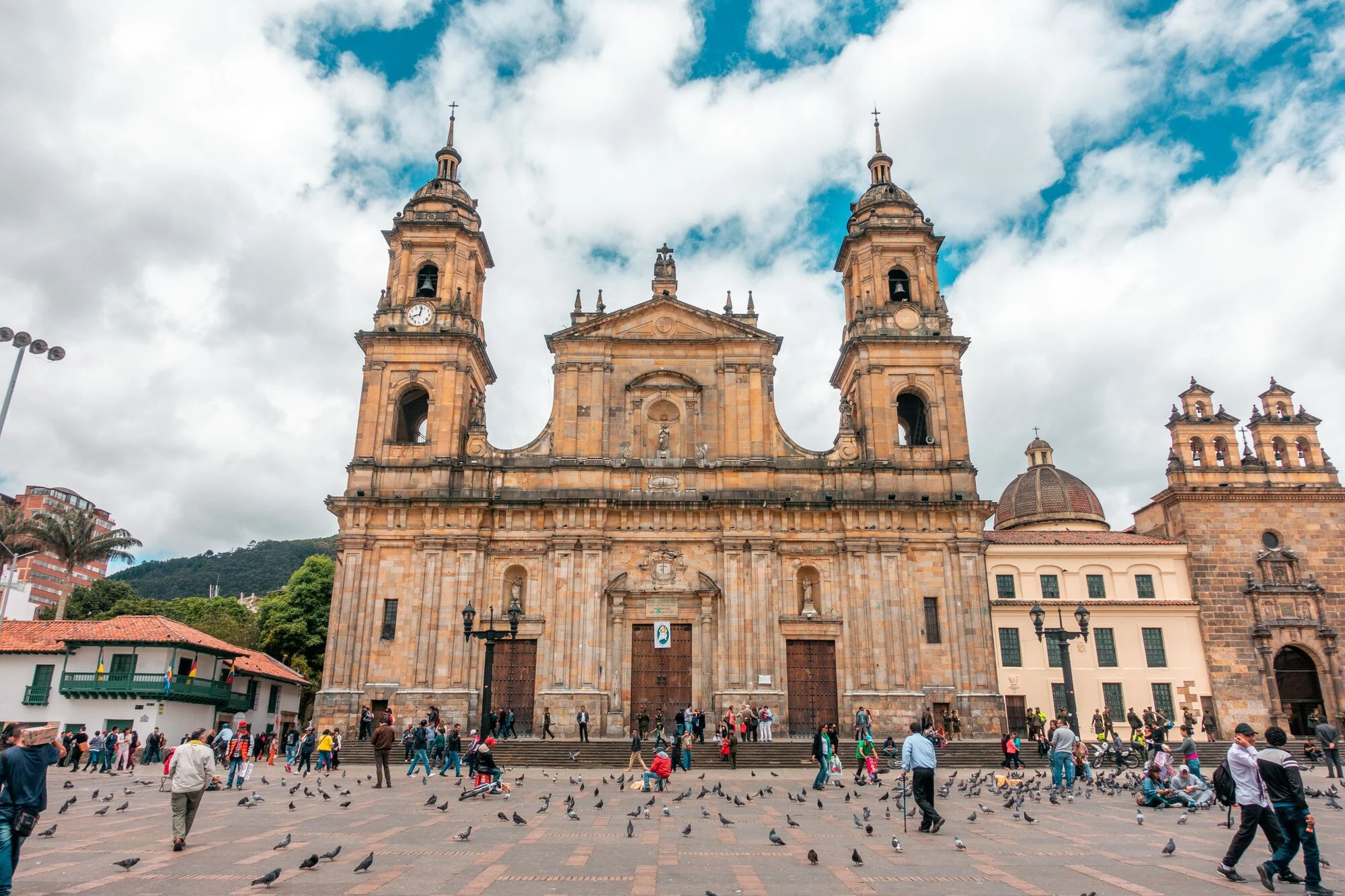
Colombia’s capital is a hub of creativity, culture, and education. Bogotá blends skyscrapers and urban neighborhoods with colonial plazas and universities. The historic district of La Candelaria offers street art, cafes, markets, and museums that showcase Colombia’s layered past. Highlights include gold artifacts from ancient civilizations, religious art from the colonial era, and modern exhibits exploring Colombian identity. Rising above the city is Monserrate, a mountaintop sanctuary offering panoramic views and a peaceful escape from downtown energy. Bogotá also boasts vibrant nightlife, culinary innovation, and a rapidly expanding coffee scene.
Experience Medellín — The City of Eternal Spring
Medellín’s nickname comes from its consistently pleasant climate, but visitors discover much more than warm weather. Once known for troubled history, Medellín has reinvented itself into a city celebrated for art, innovation, and public spaces. The transformation of neighborhoods like Comuna 13, once inaccessible, now attracts travelers with colorful murals, music, and guided storytelling tours. Cable cars and outdoor escalators connect communities perched on hillsides, providing both practical transport and scenic views. Day and night, Medellín’s plazas, restaurants, and rooftop bars buzz with energy, making it one of the most modern and welcoming cities in South America.
Explore the Coffee Cultural Landscape
Colombia’s Coffee Region (also called the Coffee Triangle) is recognized for producing some of the world’s finest beans, but its beauty extends far beyond agriculture. Towns such as Salento, Filandia, Armenia, and Manizales invite visitors to wander cobbled streets, sip freshly roasted coffee, and tour family-run farms. The Cocora Valley stands out as a highlight, home to towering wax palms that rise dramatically from rolling green hills. Hiking through misty forests and open fields offers breathtaking views and a deeper appreciation for Colombia’s connection to nature. The region’s slow pace and welcoming residents make it ideal for relaxation and cultural immersion.
Trek to the Lost City (La Ciudad Perdida)
Deep in the Sierra Nevada mountains lies the Lost City, an archaeological wonder discovered decades before Machu Picchu but far less visited. Reaching it requires a multi-day trek through humid forests, river crossings, and steep climbs. Along the way, travelers encounter indigenous communities who have lived in the region for centuries. The stone terraces and circular platforms of the Lost City reveal the sophistication of the ancient Tayrona civilization. For those willing to embrace physical challenge, this trek becomes one of the most transformative experiences Colombia offers.
Relax on Colombia’s Magical Islands
Colombia’s islands provide an idyllic escape for travelers seeking beaches, marine life, and warm waters. Off the Caribbean coast lie remote islands with coral reefs ideal for snorkeling and diving. Bioluminescent plankton illuminates shallow bays at night, creating surreal scenes that feel like natural magic. These islands offer a slower rhythm—days spent kayaking, swimming, or lounging in hammocks—making them a perfect contrast to Colombia’s urban centers.
Go Whale Watching on the Pacific Coast
Colombia’s Pacific Coast may be less visited than its Caribbean counterpart, but it offers some of the most extraordinary wildlife encounters in the country. From July to October, humpback whales migrate through the region to give birth in warm waters. Boat tours allow visitors to watch mothers and calves breach, splash, and communicate in the ocean. The surrounding rainforests, beaches, and rivers create a rugged landscape that feels untouched and wild. Eco-lodges, community tourism, and small villages connect travelers to nature in a sustainable way that supports local families.
Witness Colombia’s Biodiversity
Colombia is one of the most biodiverse countries on Earth. Birdwatchers travel from around the world to observe rare species, especially in cloud forests and Amazon reserves. Butterflies, orchids, monkeys, and amphibians thrive in diverse ecosystems shaped by altitude and climate. Caño Cristales, often called the “river of five colors,” dazzles visitors with aquatic plants that turn water shades of red, green, and yellow during certain months. Meanwhile, the Tatacoa Desert offers stargazing and surreal terrain that feels otherworldly. These landscapes highlight Colombia’s ecological richness and environmental importance.
Experience Regional Music, Dance, and Festivals
Colombia’s cultural heartbeat reveals itself through rhythm and celebration. Barranquilla’s Carnival ranks among the world’s most vibrant festivals, with dancers, masks, parades, and choreography rooted in Afro-Caribbean and indigenous traditions. Cali holds the title of salsa capital, where dancers move with speed and grace in clubs and open-air venues. Medellín hosts the Flower Festival, a colorful tribute to regional agriculture. Smaller celebrations, from bull runs to harvest events, showcase Colombia’s strong sense of identity and community.
Enjoy Colombian Cuisine and Flavors
Colombian food varies significantly by region. Coastal cuisine features coconut rice, fresh seafood, and tropical fruits. In the Andes, heartier dishes such as arepas, tamales, and ajiaco highlight pre-colonial and Spanish influences. The Amazon introduces uncommon fruits and Indigenous culinary practices. Street food, including empanadas, juices, and pastries, makes exploring local markets an adventure in itself. Coffee culture remains central, with cafes offering both traditional styles and specialty brews that highlight single-origin beans.
Find Adventure in Colombia’s Outdoors
Adventure travelers find no shortage of options—from paragliding in the mountains of Santander to rafting on whitewater rivers and exploring caves. Cyclists enjoy challenging routes through Andean passes, while scuba divers explore wrecks and reefs. Colombia’s varied terrain suits both adrenaline seekers and beginners looking for new experiences.
Read More: bangkok-travel-guide-for-first-time-visitors
Conclusion
Colombia stands out as a destination defined by diversity—cultural, geographic, historical, and ecological. Few countries allow travelers to experience Caribbean beaches, cloud forests, deserts, ancient ruins, modern cities, and Indigenous culture in a single journey. What makes Colombia truly memorable, however, is not just its landscapes but its people. Warm, welcoming, and proud of their traditions, Colombians invite visitors into festivals, families, and stories that linger long after the trip ends. Whether relaxing on islands, trekking through jungles, or wandering colonial streets, travelers discover a country that rewards curiosity. Colombia continues to evolve, innovate, and open itself to tourism in sustainable ways that protect heritage and nature. With so much to offer, it is easy to understand why Colombia has quickly become a favorite destination for travelers seeking authenticity, beauty, adventure, and cultural richness in one unforgettable place.
FAQs
1. What is Colombia most famous for tourism-wise?
Colombia is known for its beaches, coffee farms, biodiversity, colonial cities, and cultural festivals.
2. How many days do you need to visit Colombia?
Most travelers spend 10–14 days to explore highlights, though longer trips allow deeper regional discovery.
3. When is the best time to visit Colombia?
Dry seasons (December–March and July–August) are typically considered best, especially for outdoor travel.
4. Is Colombia expensive for tourists?
Costs vary by region, but Colombia is generally affordable with options ranging from budget to luxury.
5. Is Colombia safe for travelers?
Major tourist areas are considered safe with normal precautions, and tourism has grown significantly in recent years.