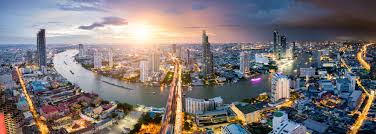
Bangkok is affectionately known as the “City of Angels,” a name rooted in ancient Siamese history. Today, it stands as a cultural and commercial powerhouse, home to over ten million residents and serving as a gateway to Thailand’s islands, northern towns, and rural countryside. Travelers love Bangkok because it packs a lot into a small geographic area: iconic Buddhist temples sit alongside chic rooftop bars, serene canals weave around luxury hotels, and traditional markets operate just steps away from futuristic transport systems.
Preparing for a Bangkok trip requires understanding the city’s layout, customs, transportation, and best attractions. From when to visit and where to stay to how to move around and what to eat, this guide breaks down everything you need for a smooth, enjoyable, and well-planned adventure.
Best Time to Visit Bangkok
Bangkok is tropical year-round, with warm temperatures and high humidity. However, three general seasons influence comfort and crowd levels:
Cool Season (November – February):
The most pleasant time to visit, with lower humidity and comfortable temperatures. This period is popular for sightseeing, festivals, and outdoor excursions.
Hot Season (March – May):
Temperatures soar and humidity spikes. Air-conditioned malls, museums, and night markets become the best refuge.
Rainy Season (June – October):
Expect short, heavy afternoon showers, but rarely all-day rain. This season brings fewer tourists, greener scenery, and lower hotel prices.
Overall, November to February is considered ideal, but travelers are rewarded year-round depending on interests and budget.
How to Get There & Travel Requirements
Bangkok is served by two major airports: Suvarnabhumi (BKK) and Don Mueang (DMK). Suvarnabhumi handles most long-haul and international flights, while Don Mueang is the hub for low-cost carriers operating within Asia.
Entry requirements vary by nationality, but many travelers can enter without a visa for tourism, while others may request visas on arrival or e-visas before departure. Carry valid passports, onward travel confirmations, and accommodation details. As rules evolve, check updated requirements before flying.
Currency, Payments & Budget Tips
Thailand uses the Thai Baht (THB). Cash is widely used—especially in markets, street vendors, and tuk-tuks. Credit cards are accepted in malls, hotels, upscale restaurants, and major attractions.
Bangkok is budget-friendly compared with many global capitals. Travelers can enjoy street meals for a few dollars or splurge at Michelin-rated dining rooms. Transport, accommodations, and activities scale easily across budget to luxury preferences.
Where to Stay in Bangkok
Bangkok is a vast megacity, so choosing the right neighborhood saves time and enhances convenience. Popular areas include:
Sukhumvit:
Trendy, cosmopolitan, filled with dining, nightlife, and shopping. Connected by BTS Skytrain.
Silom & Sathorn:
Business district by day and lively social hub by night. Close to Lumpini Park and river access.
Old City (Rattanakosin):
Home to the Grand Palace, Wat Pho, National Museum, and major historical sites.
Riverside:
Peaceful with scenic views and luxury hotels alongside river ferries and dinner cruises.
Chinatown (Yaowarat):
Famous for street food, gold shops, and markets. Busy, cultural, and incredibly atmospheric.
Ari & Phaya Thai:
Hipster cafes, boutiques, and residential charm for slower-paced travel.
Bangkok’s hotels range from boutique guesthouses to international five-star chains, all offering excellent value.
Getting Around Bangkok
Transportation in Bangkok is efficient once you understand options:
BTS Skytrain & MRT Subway:
Fast, modern, and air-conditioned—ideal for avoiding traffic.
Airport Rail Link:
Quick connection between Suvarnabhumi Airport and central Bangkok.
Express Boats & Ferries:
Great for riverside temples and markets while enjoying scenic views.
Taxis, Tuk-Tuks & Motorcycle Taxis:
Affordable and iconic. Agree on tuk-tuk prices before riding. For taxis, request meter usage.
Ride-Hailing Apps:
Convenient for booking cars without negotiation.
Walking:
Walkable in certain neighborhoods, though heat and traffic can be challenging.
Timing matters—Bangkok traffic is notorious during morning and evening rush hours.
Must-See Attractions
Bangkok offers a rich blend of cultural, historic, and modern sites. Highlights include:
Grand Palace:
The most significant royal landmark, featuring intricate Thai architecture and the Emerald Buddha. Dress modestly and allow time for crowds.
Wat Pho:
Home of the giant reclining Buddha and a renowned traditional massage school.
Wat Arun (Temple of Dawn):
Riverside temple with striking spires and a beautiful view at sunrise or sunset.
Chinatown (Yaowarat):
A sensory delight packed with food stalls, gold shops, street vendors, and neon lights.
Chatuchak Weekend Market:
A massive market offering everything from clothing and collectibles to food and art.
Jim Thompson House:
Museum showcasing Thai craftsmanship and heritage architecture.
Erawan Shrine:
Active worship site frequented by locals and visitors seeking blessings.
Pak Khlong Talat Flower Market:
Vibrant, fragrant, and open 24 hours—best visited early morning.
Beyond attractions, Bangkok excels at immersive experiences: river cruises, night markets, Muay Thai matches, cultural shows, and cooking classes.
Bangkok Food Culture
Bangkok is one of the world’s best food cities. Street food is central to daily life, and exploring it offers both culinary pleasure and cultural insight.
Popular dishes include:
-
Pad Thai
-
Tom Yum Goong
-
Som Tam (papaya salad)
-
Mango sticky rice
-
Khao Pad (fried rice)
-
Massaman and green curries
-
Grilled meats and seafood skewers
Night food streets, Chinatown, and local markets are paradise for adventurous eaters. For upscale dining, Bangkok boasts a growing list of Michelin-starred restaurants and internationally acclaimed chefs.
Markets & Shopping
Bangkok is a shopper’s playground with multiple options:
Luxury Mall Culture:
Air-conditioned malls like Siam Paragon, ICONSIAM, and CentralWorld offer high-end retail, gourmet food courts, cinemas, and galleries.
Street Markets & Bazaars:
Chatuchak (weekends only), Talad Rot Fai (Train Market), and Pratunam are popular for bargains and souvenirs.
Tailoring & Fabric Shops:
Bangkok is renowned for custom suits at competitive prices.
Etiquette & Local Customs
Understanding local norms ensures respectful travel:
-
Dress modestly at temples (cover shoulders and knees).
-
Remove shoes before entering certain buildings.
-
Avoid touching anyone’s head (considered sacred).
-
Speak politely; the Thai “wai” greeting expresses respect.
-
Avoid negative discussion of the Thai monarchy.
-
Respect Buddhist monks and religious objects.
Thailand is welcoming and patient, but cultural awareness enhances interactions.
Health, Safety & Travel Tips
Bangkok is generally safe for tourists. Common-sense precautions apply:
-
Keep valuables secure in crowded places.
-
Use reliable transport options.
-
Beware of common scams involving overpriced tours or shopping stops.
-
Stay hydrated; the climate can be exhausting.
-
Use sunscreen and insect protection.
-
Purchase travel insurance for peace of mind.
How Many Days Do You Need?
Trip length depends on travel style:
-
2–3 days: Major temples, a cruise, a market, and signature foods.
-
4–5 days: Adds museums, shopping, nightlife, and side excursions.
-
7+ days: Ideal for deep dives into culture, food, and slow exploration.
Bangkok also pairs effortlessly with beach islands or northern cities like Chiang Mai.
Who Will Love Bangkok?
Bangkok suits a wide range of travelers:
-
Culture & history lovers
-
Backpackers & digital nomads
-
Luxury & honeymoon travelers
-
Food and photography enthusiasts
-
Shoppers and nightlife seekers
-
Solo female travelers
-
Family travelers (many kid-friendly attractions)
The city adapts to budgets, interests, and personalities.
Read More: Ultimate Guide: How to Start and Grow a Travel Blog
Conclusion
Bangkok is one of Asia’s most dynamic and rewarding cities, offering something fascinating for every type of traveler. Its cultural attractions, food scene, markets, and friendly locals make it accessible and inspiring—whether you’re exploring temples, cruising rivers, trying Thai street food, or shopping for souvenirs. The city’s sheer energy can feel overwhelming at first, but once you learn how to navigate transportation, choose neighborhoods wisely, and embrace local customs, Bangkok becomes easy and endlessly enjoyable.
More than just a gateway to Thailand’s beaches and mountains, it’s a destination worth savoring on its own. Travelers leave Bangkok with memories that blend ancient beauty, modern creativity, and heartfelt hospitality. A well-planned trip allows you to experience the best of Bangkok without rush, but even spontaneous exploration leads to exciting discoveries. With curiosity, respect, and an open mind, Bangkok rewards visitors with unforgettable moments that linger long after the journey ends.
FAQs
1. How do I plan a trip to Bangkok for the first time?
Choose the right season, book accommodation near the BTS/MRT, make a list of temples and markets, and allow flexibility for food and nightlife.
2. How much money should I bring for Bangkok travel?
Budgets vary widely. Street travelers can spend modestly, while shoppers and fine diners can splurge. Bangkok accommodates all spending styles.
3. How many days do I need to explore Bangkok?
Three to five days suits most travelers, while a week allows deeper cultural and culinary experiences.
4. What’s the best way to get around Bangkok?
Use the BTS Skytrain, MRT subway, river ferries, and ride-hail apps to avoid traffic and travel comfortably.
5. Is Bangkok safe for solo female travelers?
Yes, with normal precautions such as using trusted transportation, staying in well-located neighborhoods, and avoiding isolated areas late at night.