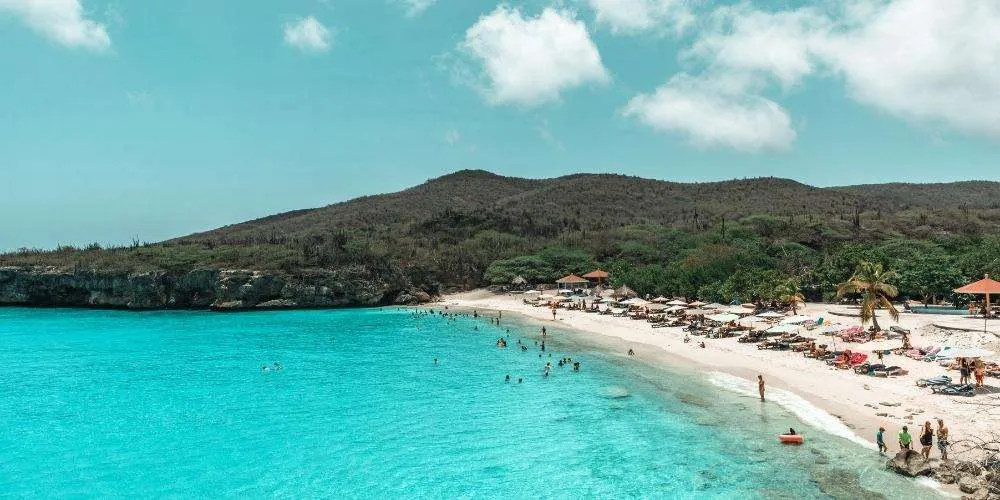
Curaçao is a vibrant Caribbean island located outside the hurricane belt, making it a year-round destination for sun-seekers. The island is famous for its stunning beaches, clear turquoise waters, and multicultural heritage. Its capital, Willemstad, is a UNESCO World Heritage site, known for its colorful colonial architecture and lively waterfront. Unlike more crowded Caribbean islands, Curaçao combines relaxation, adventure, and cultural experiences in one place.
Visitors can enjoy snorkeling and diving at coral reefs, exploring hidden coves, hiking in lush parks, and sampling a unique culinary mix of Caribbean, Dutch, and Latin flavors. While costs can be higher than expected and public transportation is limited, the overall experience is highly rewarding. This article explores why Curaçao is worth visiting, what to expect, the best activities and beaches, practical travel tips, and answers to common questions from travelers.
1. Stunning Beaches and Marine Life
Curaçao has over 38 beaches, each offering something unique. Some, like Mambo Beach and Seaquarium Beach, are lively with restaurants and bars, while others like Kenepa Grandi or Cas Abao are more secluded and perfect for relaxation. The island’s waters are ideal for snorkeling and scuba diving, featuring vibrant coral reefs, tropical fish, and underwater wrecks.
For diving enthusiasts, Curaçao is considered a world-class destination, with sites suitable for both beginners and experienced divers. Whether you prefer relaxing on soft sand, enjoying water sports, or exploring underwater wonders, the beaches provide endless options for fun and adventure.
2. Rich Blend of Cultures
Curaçao’s history as a Dutch colony and its location in the Caribbean has created a cultural melting pot. The capital, Willemstad, showcases pastel-colored buildings, historic forts, and a lively waterfront. Locals speak Papiamentu, Dutch, English, and Spanish, making communication easy for tourists.
The island’s festivals, music, and food reflect this diversity. From lively carnival celebrations to traditional dishes like keshi yena (stuffed cheese) and fresh seafood, visitors can enjoy a cultural experience unlike anywhere else in the Caribbean. The combination of heritage, music, and culinary delights makes Curaçao unique and memorable.
3. Adventure and Nature Beyond Beaches
Beyond the shoreline, Curaçao offers diverse natural attractions. Christoffel National Park is perfect for hiking, featuring trails that lead to the island’s highest point and opportunities to see local wildlife and plants. Shete Boka National Park offers dramatic coastal views where waves crash into limestone cliffs, creating a stunning natural spectacle.
The Hato Caves are another highlight, featuring limestone formations and ancient petroglyphs. For birdwatchers, the salt flats and lagoons are home to flamingos and other wildlife. Whether you love hiking, wildlife observation, or exploring natural formations, Curaçao delivers experiences beyond sun and sand.
4. Activities for Every Traveler
Curaçao offers activities suitable for all kinds of travelers. Adventure seekers can go scuba diving at the Tugboat wreck, enjoy kayaking or paddleboarding, or take sunset boat tours. Families can explore interactive attractions like the Curaçao Sea Aquarium, while cultural enthusiasts can visit museums and historic districts.
Even food lovers have plenty to do: cooking classes, local markets, and street food tours showcase the island’s culinary heritage. There’s no shortage of ways to enjoy Curaçao, whether you’re seeking adrenaline, relaxation, or cultural immersion.
5. Pleasant Weather All Year
One of Curaçao’s advantages is its consistent, sunny weather throughout the year. Because it lies outside the hurricane belt, the island avoids most of the Caribbean storms. Average temperatures range from 27°C to 31°C (81°F to 88°F), and occasional short rain showers usually occur at night.
The best months for beachgoers are January through September, while October to December offers quieter experiences and lower travel costs. This stable weather makes planning a trip much easier and ensures reliable conditions for outdoor activities.
6. Practical Travel Tips
Costs and Currency: Curaçao uses the Netherlands Antillean Guilder, but U.S. dollars are widely accepted. Prices for accommodation, food, and activities can be higher than some Caribbean islands, so planning a budget is important.
Transportation: Public transportation is limited. Renting a car is the most convenient way to explore the island, while taxis can be used for shorter trips.
Safety: Curaçao is generally safe for tourists. Still, it’s wise to keep valuables secure, avoid isolated areas at night, and follow local customs. Travelers typically find the locals friendly, welcoming, and helpful, adding to the positive experience.
Best Time to Visit: High season is December to April, offering great weather and more crowds. Shoulder season from May to November has fewer tourists and lower prices, while still providing sunny days for outdoor activities.
7. Pros and Cons of Visiting Curaçao
Pros:
-
Beautiful and diverse beaches
-
Clear waters for diving and snorkeling
-
Rich multicultural experiences
-
Variety of activities for all types of travelers
-
Year-round pleasant weather
Cons:
-
Prices can be higher than expected
-
Limited public transportation
-
Some beaches charge entry fees
-
Not as developed as larger Caribbean islands
Overall, the pros far outweigh the cons, making Curaçao a rewarding destination for most travelers.
Read More: Top 7 Best Hostels in the World for Every Traveller Experience
Conclusion
Curaçao is a Caribbean destination that combines sun-soaked beaches, colorful culture, and adventure opportunities into a unique experience. Whether you’re exploring the vibrant streets of Willemstad, snorkeling among coral reefs, hiking in national parks, or enjoying the local cuisine, the island offers something for every type of traveler.
While costs can be slightly higher than expected and transportation is limited, planning ahead allows you to fully enjoy the island’s offerings. Its friendly locals, cultural diversity, and natural beauty make a trip to Curaçao not only enjoyable but memorable.
For anyone seeking a Caribbean vacation that goes beyond ordinary beach resorts, Curaçao is absolutely worth visiting. The combination of adventure, relaxation, and cultural immersion ensures that visitors leave with lasting memories, beautiful photos, and a deeper appreciation for this remarkable island.
FAQs
1. Is Curaçao expensive to visit?
Curaçao can be pricier than some Caribbean islands, especially for accommodation, food, and beach access. Planning a budget and visiting during shoulder season can reduce costs.
2. What is the best time of year to visit Curaçao?
The best months for beach weather are December to April, but visiting from May to November offers fewer crowds and better deals.
3. Do you need a car in Curaçao?
While not essential in the city, renting a car is highly recommended to explore beaches, parks, and other attractions across the island.
4. Is Curaçao safe for tourists?
Yes, it’s generally safe. Travelers should use common sense, keep valuables secure, and avoid isolated areas at night.
5. What language is spoken in Curaçao?
Locals speak Papiamentu, Dutch, English, and Spanish, making it easy for international tourists to communicate.