Category:

Blog

Kuta Bali: The Ultimate Beach Town Experience

Kuta Bali is one of Indonesia’s most iconic travel destinations. Once a quiet fishing village, it has transformed into a lively beach town attracting travelers from all over the world. Known for its golden sand beaches, spectacular sunsets, vibrant nightlife, and beginner-friendly surf spots, Kuta offers a unique blend of adventure, relaxation, and cultural immersion. Visitors come here to ride the waves, explore bustling markets, enjoy local cuisine, and experience the energetic social scene.

Its close proximity to Bali’s main airport makes it a convenient first stop for tourists. Despite its popularity, Kuta retains a charm that appeals to both solo travelers and families. This guide will take you through everything Kuta has to offer — from the best beaches and attractions to cultural experiences, practical tips, and insider advice — ensuring you can enjoy your trip safely, comfortably, and memorably.

Why Kuta Bali is Special

Kuta is more than just a beach town. It’s a gateway to Bali’s vibrant lifestyle and tropical beauty. Its long sandy beaches are ideal for sunbathing and surfing, while the bustling streets offer shopping, entertainment, and cultural experiences. Kuta is the perfect combination of relaxation and activity. Visitors can enjoy quiet mornings on the beach, afternoons exploring local markets, and evenings experiencing live music and nightlife. The town’s diversity makes it ideal for travelers of all ages and interests.

Top Attractions in Kuta

Kuta Beach

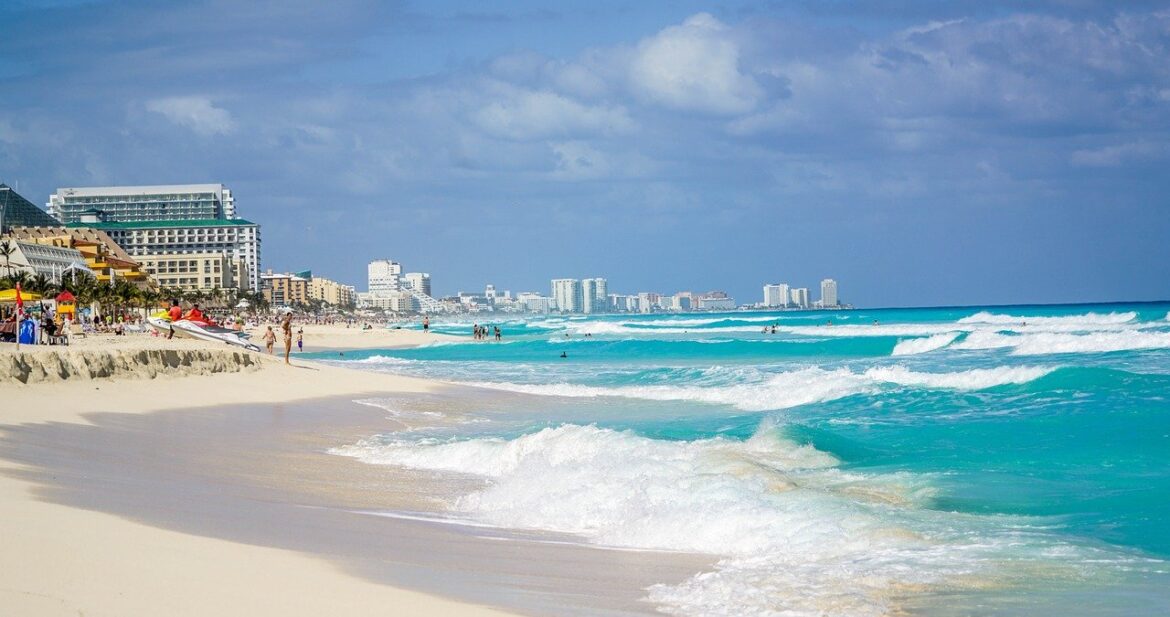
The centerpiece of the town, Kuta Beach stretches for kilometers along the coast. It is perfect for sunbathing, walking, or learning to surf. The beach offers soft sand, gentle waves, and a lively atmosphere where locals and tourists mingle. Watching the sunset over the Indian Ocean is one of the town’s most unforgettable experiences.

Waterbom Bali

This water park is perfect for families or anyone looking for fun off the beach. With slides, pools, lazy rivers, and shaded relaxation areas, it offers a fun way to beat the heat.

Kuta Theater and Shows

Experience Balinese culture through theatrical performances, traditional dances, and live shows that capture the island’s artistic spirit. These performances offer a break from the beach while immersing visitors in local traditions.

Vihara Dharmayan Temple

A serene Buddhist temple over 200 years old, it provides a cultural and spiritual experience amidst the lively town. Visitors can admire its architecture and peaceful surroundings while learning about local religious practices.

Beachwalk Shopping Center and Markets

Kuta offers both modern shopping malls and traditional markets. Beachwalk Mall has international brands and restaurants, while nearby markets allow travelers to shop for souvenirs, handicrafts, and local products.

Jalan Legian Nightlife

This main street comes alive at night with bars, clubs, and street performances. It is the heart of Kuta’s nightlife, offering a place to dance, enjoy live music, and experience the town’s energetic social life.

Activities in Kuta

Surfing

Kuta is world-famous for its beginner-friendly surf conditions. Surf schools provide lessons and equipment rentals, making it easy for newcomers to enjoy the waves safely.

Food and Cuisine

From local warungs to international restaurants, Kuta offers a wide variety of food options. Try traditional Indonesian dishes such as nasi goreng, mie goreng, and satay, or enjoy fresh seafood and tropical drinks while overlooking the beach.

Night Markets and Evening Walks

Evenings in Kuta are lively. Street markets, live music, and night cafes create a vibrant atmosphere. Evening strolls along the beach or through the bustling streets are a perfect way to experience local life.

Day Trips Around Kuta

Kuta is conveniently located for trips to Uluwatu Temple, Tanah Lot, Seminyak, and quieter beaches like Dreamland and Pandawa. These trips allow visitors to explore Bali’s cultural and natural beauty while staying close to Kuta’s comforts.

Practical Tips for Travelers

Safety

Kuta is generally safe, but petty theft and scams can occur. Always keep valuables secure, agree on prices before services, and stay aware of your surroundings.

Ocean Safety

Swim within lifeguard-flagged areas and be cautious of rip currents, especially during high tide. The beach is suitable for beginners, but safety should always come first.

Water and Hydration

Tap water is unsafe to drink. Stick to bottled or filtered water, and carry a reusable bottle to minimize plastic waste.

Best Time to Visit

The dry season, from May to September, offers sunny weather and calm seas. The wet season, October to March, brings occasional heavy rains and rougher beach conditions.

Environmental Awareness

Kuta’s popularity has increased pressure on its beaches and infrastructure. Dispose of waste properly, avoid single-use plastics, and support eco-friendly tours and businesses to help preserve the town’s natural beauty.

Where to Stay

Kuta has accommodations for every budget. From hostels and mid-range hotels to luxury resorts, there are options for solo travelers, couples, and families. Staying near Beachwalk Mall or Kartika Plaza offers easy access to attractions, dining, and nightlife, while nearby Seminyak provides a quieter alternative.

Read More: The Ultimate American Road Trip Guide

Conclusion

Kuta Bali is a destination that combines adventure, relaxation, and cultural richness. Its beaches, surf culture, vibrant streets, and family-friendly attractions make it a must-visit location for travelers of all ages. While it is lively and busy, careful planning and awareness can make the experience safe and enjoyable. From sunrise to sunset, Kuta offers moments of serenity, fun, and unforgettable memories.

Whether you are catching waves for the first time, exploring local markets, or enjoying the nightlife, Kuta’s energy and charm will leave a lasting impression. Its accessibility, range of activities, and welcoming atmosphere ensure that every traveler can find something special here. With respect for the local environment and culture, a trip to Kuta Bali is not only a journey of enjoyment but also a meaningful connection to the beauty and traditions of the island.

FAQs

1. What is the best time of year to visit Kuta?
The dry season from May to September is ideal for beach activities, surfing, and sightseeing.

2. Is Kuta Beach safe for swimming?
Yes, but swim in lifeguard-monitored areas and be cautious of strong currents, especially during high tide.

3. Can beginners learn to surf in Kuta?
Absolutely. The gentle waves are perfect for beginners, and there are many surf schools offering lessons.

4. What are the best family-friendly activities in Kuta?
Waterbom water park, beach play, cultural shows, and evening markets provide fun options for families.

5. How can I stay safe and avoid scams in Kuta?
Keep valuables secure, agree on prices upfront, avoid isolated areas at night, and be cautious of street vendors offering deals that seem too good to be true.

0 comments
0 FacebookTwitterPinterestEmail
The Ultimate American Road Trip Guide

Few adventures rival the excitement of an American road trip — a journey across highways and backroads that unlocks natural wonders, cultural landmarks, and unexpected local charm. Whether cruising the classic Route 66, winding along the Pacific Coast, or discovering historic byways through national parks and small towns, an American road trip promises freedom, flexibility, and memories that last a lifetime.

Spanning thousands of miles, these journeys let travelers engage with diverse landscapes, communities, and experiences at their own pace — all from behind the wheel. But hitting the road without a plan can be overwhelming. From budget and safety planning to route choices and cultural experiences, this guide will help you make your American adventure both rewarding and stress‑free.

1. Why an American Road Trip Is a Bucket-List Experience

The United States is uniquely suited to road travel:

  • Vast and varied geography: From coastal highways to desert plains, mountains, forests, and historic towns, the U.S. road network connects breathtaking landscapes.

  • Iconic routes: Roads like Route 66 have achieved legendary status, with roadside culture, vintage diners, and nostalgic attractions that capture the essence of American travel.

  • Cultural diversity: Each region has distinct food, music, traditions, and attractions — from Southern BBQ to New England coastlines or Southwestern canyons.

  • Flexibility & freedom: Unlike fixed itineraries of flights and trains, road trips let you choose timing, stops, pace, and even add spontaneous detours.

2. Choosing the Right Route: Classic & Must-See Drives

There’s no single “best” road trip in the USA — but there are iconic and highly recommended options:

Route 66 — The Classic American Trail

Often called the “Mother Road,” Route 66 stretches from Chicago to Los Angeles, slicing through eight states and offering neon signs, quirky roadside stops, and Americana culture at every turn.

Pacific Coast Highway — California’s Scenic Masterpiece

Also known as Highway 1, this route runs along the dramatic California coastline from San Diego to San Francisco, famed for ocean views, redwoods, and seaside towns.

Great River Road — Along the Mighty Mississippi

Tracing the Mississippi River from Minnesota to Louisiana, this route blends scenic beauty with cultural stops in small towns and river cities.

Interstate 90 — Coast-to-Coast Adventure

The nation’s longest interstate, I‑90 can take you from Seattle to Boston, weaving through varied landscapes and urban highlights.

Regional Highlights & Themed Trips

  • Blues Highway: Dive into music history across Tennessee and Mississippi.

  • Blue Ridge Parkway: Autumn foliage and rolling hills of Appalachia.

  • Southern Music & Food Tour: Southern cuisine, jazz, and blues from Tennessee to Louisiana.

3. How to Plan Your American Road Trip

Good planning ensures an enjoyable journey. Here are expert-backed steps:

Set Your Budget

Average road trip costs vary widely — from budget camping and DIY food prep to hotel stays and dining out. Expect around $150 per day as a general guideline.

Decide Duration & Distance

Think realistically about daily driving: long stretches can lead to fatigue. Plan shorter driving days with scenic stops. Ideally, many travelers aim for 100–300 miles per day.

Choose Your Vehicle & Safety Prep

  • Inspect your vehicle before departure — oil, tires, brakes, fluid levels.

  • Carry an emergency kit with tools, first aid, water, and snacks.

  • Learn local road rules and stay rested — taking breaks every few hours reduces fatigue.

Navigation & Tools

  • Use navigation apps or offline maps to calculate fuel, time, and interesting stops.

  • Download offline routes in areas where signal may fade.

Book Key Stays & Parks in Advance

Popular parks like Yosemite, Arches, or Glacier often require reservations — secure slots early, especially in peak seasons.

Fuel & Cost Savings

  • Gas prices can vary widely between states — plan refueling accordingly.

  • Pack food and drinks to reduce frequent dining costs.

  • Consider camping or RV parks versus hotels for a budget approach.

4. Road Trip Safety & Etiquette

Safety is key:

Driving Habits

  • Keep your gas tank above ¼ full — fuel stations can be sparse in remote areas.

  • Know road signs and speed limits — enforceability varies by region.

Respect Nature & Wildlife

  • In parks, stay on marked roads; keep distance from wildlife.

  • Follow Leave No Trace principles to protect natural areas.

Share the Road

  • Watch for large trucks and give them space.

  • Be patient with local traffic and road conditions.

5. Cultural Experiences & Local Stops

An American road trip is not just about scenery:

  • Historic towns & museums: Stop at local history sites and roadside museums on routes like Route 66.

  • Music & food: Experience blues in the South, BBQ in Texas, seafood in New England, and craft beers in the Rockies.

  • Festivals & events: Plan around local fairs, music festivals, or regional markets to enrich your trip.

  • Hidden gems: Small towns often have unexpected charm — antique shops, local diners, scenic lookouts, and friendly encounters.

Read More: Travel the World on a Budget: Nomadic Matt’s Ultimate Guide

Conclusion

An American road trip is more than a vacation — it’s a transformative journey through the heart of one of the world’s most diverse and scenic nations. From the retro charm of Route 66 and the coastal beauty of the Pacific Coast Highway to the cultural richness of the Mississippi River and the historic byways weaving through mountains and cities, every road offers its own story.

With thoughtful planning, safety preparedness, and a flexible approach that embraces the unexpected, travelers discover hidden gems, authentic local experiences, and unforgettable views at every turn. Whether you’re a first-timer or a seasoned traveler, this guide provides essential insights to make your road trip smooth, affordable, and truly memorable. Fuel up, map your route, and hit the open road — the adventure of a lifetime awaits, offering freedom, discovery, and memories you’ll cherish forever.

FAQs 

1. What is the best time of year for an American road trip?
Spring and fall are ideal for moderate weather, fewer crowds, and colorful landscapes. Northern routes are best in summer due to snow closures.

2. How much money should I budget per day?
A rough estimate is about $150 per day, including fuel, food, lodging, and activities. Budget options can be cheaper with camping or DIY meals.

3. Which route is considered the most iconic?
Route 66 is widely recognized as the quintessential American road trip, blending history, culture, and classic roadside experiences.

4. Do I need reservations for national parks?
Yes — many parks require timed entry reservations in peak seasons, especially Yosemite, Arches, and Glacier.

5. What safety tips should I follow on long drives?
Keep your vehicle well-maintained, rest frequently, monitor fuel, and carry emergency supplies. Drive cautiously and be prepared for varying road conditions.

0 comments
0 FacebookTwitterPinterestEmail
Travel the World on a Budget: Nomadic Matt’s Ultimate Guide

Traveling the world may seem like a dream reserved for the wealthy, but with the right strategies, anyone can make it a reality. Travel blogger Nomadic Matt has shown that smart planning, frugal habits, and resourceful thinking can turn even the tightest budget into a passport to adventure.

This guide will walk you through the principles, tips, and practical steps to explore the globe affordably, without sacrificing experiences or comfort. Whether you are a student, a professional with limited leave, or someone planning a long-term journey, these strategies will help you maximize your travel potential while minimizing costs.

Why Budget Travel Matters

Traveling on a budget is more than just saving money; it’s about unlocking opportunities and creating experiences that would otherwise be impossible. Budget travel allows you to:

  • Extend your trip: Lower costs mean longer stays.

  • Experience local culture: Staying in hostels or homestays often immerses you in local life.

  • Reduce stress: Financial flexibility makes trips less stressful.

  • Build travel skills: Negotiating, planning, and resourcefulness improve as you travel smarter.

Nomadic Matt emphasizes that travel is not about luxury but about meaningful experiences. Budgeting effectively frees you to explore deeper and more authentically.

Planning Your Budget Travel

1. Set a Realistic Travel Budget

Before you pack your bags, determine how much you can spend monthly and per destination. Consider costs like:

  • Accommodation

  • Food and drinks

  • Transportation

  • Activities and attractions

  • Travel insurance

Nomadic Matt suggests starting with a daily budget and adjusting based on destination. Southeast Asia, Central America, and Eastern Europe, for example, allow for lower daily costs than Western Europe or North America.

2. Choose Affordable Destinations

Your destination greatly influences your budget. Research countries where your currency goes further. Some top budget-friendly countries include:

  • Asia: Thailand, Vietnam, Cambodia

  • Central America: Guatemala, Nicaragua

  • Eastern Europe: Romania, Bulgaria, Poland

By focusing on cost-effective destinations, you can travel longer without financial strain.

3. Plan the Timing

Traveling during the off-season can save up to 50% on flights and accommodation. Avoid holidays and peak tourist periods, and take advantage of mid-week travel deals.

Saving on Flights

Flights often consume the largest portion of a travel budget, but Nomadic Matt has proven that smart strategies make them manageable.

1. Be Flexible with Dates and Airports

Flexibility can save hundreds of dollars. Consider alternative airports, mid-week flights, and layovers to find cheaper options.

2. Use Flight Comparison Tools

Tools like Skyscanner or Google Flights allow you to compare prices across months. Price alerts notify you when fares drop.

3. Consider Budget Airlines

Budget carriers often offer lower rates, but read fine print to avoid extra fees for baggage or seat selection.

4. Travel Slowly

The slower you travel, the fewer flights you take. Overland travel by bus, train, or ferry is usually cheaper and offers local experiences.

Accommodation Tips for Budget Travelers

Accommodation is another major expense, but creative solutions exist.

1. Hostels and Guesthouses

Hostels offer dorm beds and private rooms, often at a fraction of hotel prices. Many also include kitchens, enabling further savings.

2. Home Exchanges and Couchsurfing

Platforms like Couchsurfing or home exchange networks provide free stays with locals, fostering cultural immersion.

3. Short-Term Rentals

Airbnb or local rentals sometimes cost less than hotels, especially for longer stays. Cooking your meals also reduces daily expenses.

4. Volunteer or Work Exchange

Volunteering on farms or hostels in exchange for accommodation can significantly cut costs while offering unique experiences.

Food on a Budget

Eating well doesn’t have to break the bank.

1. Eat Like a Local

Street food, local markets, and small eateries are cheaper and more authentic than tourist restaurants.

2. Cook Your Own Meals

If staying in a hostel with a kitchen, buy groceries and cook your own meals. It’s healthier and cheaper.

3. Avoid Tourist Traps

Restaurants in tourist hotspots can be 2–3 times more expensive than local alternatives.

Transportation Tips

Transportation costs can quickly add up, but smart strategies help.

1. Public Transit

Local buses, trains, and subways are cheaper than taxis or ride-hailing apps.

2. Walk or Bike

Many cities are walkable or bike-friendly. It’s free, healthy, and allows closer exploration.

3. Travel Passes

Some cities and countries offer travel passes that reduce costs for unlimited use of public transit.

4. Long-Distance Buses and Trains

Overland travel is often cheaper than flights, especially in Europe, Asia, and South America.

Money-Saving Hacks

Nomadic Matt highlights a few universal strategies to stretch your budget:

  • Travel insurance: Cheaper in the long run than paying for emergencies.

  • Use cashback or travel reward cards: Earn points on necessary expenses.

  • Avoid ATM fees: Use local cards or withdraw larger amounts at once.

  • Negotiate prices: Markets, taxis, and small vendors often allow haggling.

Safety and Health on a Budget

Budget travel does not mean compromising safety or health.

  • Vaccinations: Check destination requirements.

  • Travel insurance: Protects against illness, theft, or accidents.

  • Stay aware of local customs and laws: Reduces risks.

  • Emergency funds: Always have backup money stored safely.

Travel smart, not just cheap.

Building Travel Experiences

The goal of budget travel isn’t simply to save money; it’s to enrich your life.

  • Cultural immersion: Budget travel often leads to more authentic interactions.

  • Adventure: Low-cost activities like hiking, local festivals, and free tours can be unforgettable.

  • Personal growth: Problem-solving, planning, and interacting with diverse people fosters personal development.

Nomadic Matt emphasizes that travel is an investment in experiences, not just souvenirs.

Read More: Best Things to Do in Colombia

Conclusion

Traveling the world on a budget is not only possible but profoundly rewarding. By planning carefully, choosing affordable destinations, and adopting frugal yet smart strategies, you can turn the dream of global exploration into reality. Nomadic Matt’s approach teaches that travel is about experiences, connections, and personal growth, not luxury or extravagance. Budget travel challenges you to be creative, resourceful, and adventurous, all while respecting your financial limits.

Whether through hostels, street food, overland travel, or volunteering, there are countless ways to explore without overspending. Remember, the key to successful budget travel lies in preparation, flexibility, and an open mind. Each step you take thoughtfully allows you to stretch your budget further, immerse yourself in local culture, and create memories that last a lifetime. Budget travel empowers everyone to see the world, one affordable adventure at a time.

FAQs

1. How can I travel the world on a tight budget?
Start by setting a realistic budget, choosing affordable destinations, traveling off-season, and using cost-saving strategies like hostels, street food, and public transit.

2. How does Nomadic Matt travel on a budget?
He combines careful planning, slow travel, budget accommodations, local food, and cost-effective transportation to maximize experiences without overspending.

3. Can I travel long-term without being rich?
Yes. Prioritize destinations with low costs of living, plan finances carefully, and adopt frugal habits like cooking meals, volunteering, or using travel rewards.

4. What are the cheapest ways to find flights?
Use flight comparison tools, stay flexible with dates and airports, consider budget airlines, and take advantage of flight alerts.

5. Is budget travel safe?
Yes, with preparation. Use travel insurance, follow local laws, stay aware of surroundings, and keep emergency funds accessible.


Word count: ~1800 words

0 comments
0 FacebookTwitterPinterestEmail
Best Things to Do in Colombia

Best Things to Do in Colombia

by hassbaseo

Colombia has rapidly become one of the most exciting travel destinations in South America, captivating visitors with its blend of ancient culture, tropical landscapes, mountains, modern cities, and friendly people. Whether you’re dreaming of Caribbean beaches, colonial architecture, cloud forests, coffee farms, or dynamic nightlife, Colombia offers experiences unlike anywhere else.

Travelers enjoy its rich biodiversity, colorful festivals, and unique regional traditions that showcase a country reborn through creativity and resilience. From the historic streets of Cartagena to the jungle trails of the Lost City, Colombia sparks curiosity and rewards those who explore beyond the surface. With so much diversity packed into one country, planning a trip can feel overwhelming, which is why understanding the best places to go and the most meaningful experiences is essential. This guide highlights the best things to do in Colombia to help you design a memorable, informed, and unforgettable travel experience.

Best Things to Do in Colombia (1800-Word Article Content)

Colombia’s appeal lies in its diversity. Each region delivers something different, and each city reveals a new perspective on culture, landscapes, and history. Below are the top experiences travelers consistently praise and seek when visiting Colombia.

Explore the Walled City of Cartagena

Cartagena’s Old Town feels like stepping into a beautifully preserved colonial world. Colorful buildings, stone walls, winding streets, and ivy-covered balconies create an atmosphere that is both romantic and photogenic. Horse-drawn carriages pass by lively plazas where musicians play, painters work, and vendors sell tropical fruit. The charm of Cartagena lies not only in its architecture but also in the everyday moments—people chatting on stoops, cafes spilling into streets, and sunsets lighting up the Caribbean Sea. Nearby modern neighborhoods offer resorts, nightlife, and beaches, making Cartagena one of the easiest and most enjoyable starting points for a Colombian adventure.

Discover Tayrona National Park

On Colombia’s northern coast near Santa Marta lies Tayrona National Natural Park, one of the country’s most breathtaking natural areas. Here, dense jungle meets turquoise Caribbean waters and hikers trek through palm-shaded paths toward remote beaches. The trail to Cabo San Juan is particularly popular, rewarding visitors with white sand coves surrounded by massive boulders and lush green hills. Travelers can swim, snorkel, rest in hammocks, or simply watch waves crash against the dramatic coastline. Those craving deeper immersion can also explore indigenous cultural sites and learn about the ancestral communities that still inhabit the region.

Dive Into Bogotá’s Culture and History

Colombia’s capital is a hub of creativity, culture, and education. Bogotá blends skyscrapers and urban neighborhoods with colonial plazas and universities. The historic district of La Candelaria offers street art, cafes, markets, and museums that showcase Colombia’s layered past. Highlights include gold artifacts from ancient civilizations, religious art from the colonial era, and modern exhibits exploring Colombian identity. Rising above the city is Monserrate, a mountaintop sanctuary offering panoramic views and a peaceful escape from downtown energy. Bogotá also boasts vibrant nightlife, culinary innovation, and a rapidly expanding coffee scene.

Experience Medellín — The City of Eternal Spring

Medellín’s nickname comes from its consistently pleasant climate, but visitors discover much more than warm weather. Once known for troubled history, Medellín has reinvented itself into a city celebrated for art, innovation, and public spaces. The transformation of neighborhoods like Comuna 13, once inaccessible, now attracts travelers with colorful murals, music, and guided storytelling tours. Cable cars and outdoor escalators connect communities perched on hillsides, providing both practical transport and scenic views. Day and night, Medellín’s plazas, restaurants, and rooftop bars buzz with energy, making it one of the most modern and welcoming cities in South America.

Explore the Coffee Cultural Landscape

Colombia’s Coffee Region (also called the Coffee Triangle) is recognized for producing some of the world’s finest beans, but its beauty extends far beyond agriculture. Towns such as Salento, Filandia, Armenia, and Manizales invite visitors to wander cobbled streets, sip freshly roasted coffee, and tour family-run farms. The Cocora Valley stands out as a highlight, home to towering wax palms that rise dramatically from rolling green hills. Hiking through misty forests and open fields offers breathtaking views and a deeper appreciation for Colombia’s connection to nature. The region’s slow pace and welcoming residents make it ideal for relaxation and cultural immersion.

Trek to the Lost City (La Ciudad Perdida)

Deep in the Sierra Nevada mountains lies the Lost City, an archaeological wonder discovered decades before Machu Picchu but far less visited. Reaching it requires a multi-day trek through humid forests, river crossings, and steep climbs. Along the way, travelers encounter indigenous communities who have lived in the region for centuries. The stone terraces and circular platforms of the Lost City reveal the sophistication of the ancient Tayrona civilization. For those willing to embrace physical challenge, this trek becomes one of the most transformative experiences Colombia offers.

Relax on Colombia’s Magical Islands

Colombia’s islands provide an idyllic escape for travelers seeking beaches, marine life, and warm waters. Off the Caribbean coast lie remote islands with coral reefs ideal for snorkeling and diving. Bioluminescent plankton illuminates shallow bays at night, creating surreal scenes that feel like natural magic. These islands offer a slower rhythm—days spent kayaking, swimming, or lounging in hammocks—making them a perfect contrast to Colombia’s urban centers.

Go Whale Watching on the Pacific Coast

Colombia’s Pacific Coast may be less visited than its Caribbean counterpart, but it offers some of the most extraordinary wildlife encounters in the country. From July to October, humpback whales migrate through the region to give birth in warm waters. Boat tours allow visitors to watch mothers and calves breach, splash, and communicate in the ocean. The surrounding rainforests, beaches, and rivers create a rugged landscape that feels untouched and wild. Eco-lodges, community tourism, and small villages connect travelers to nature in a sustainable way that supports local families.

Witness Colombia’s Biodiversity

Colombia is one of the most biodiverse countries on Earth. Birdwatchers travel from around the world to observe rare species, especially in cloud forests and Amazon reserves. Butterflies, orchids, monkeys, and amphibians thrive in diverse ecosystems shaped by altitude and climate. Caño Cristales, often called the “river of five colors,” dazzles visitors with aquatic plants that turn water shades of red, green, and yellow during certain months. Meanwhile, the Tatacoa Desert offers stargazing and surreal terrain that feels otherworldly. These landscapes highlight Colombia’s ecological richness and environmental importance.

Experience Regional Music, Dance, and Festivals

Colombia’s cultural heartbeat reveals itself through rhythm and celebration. Barranquilla’s Carnival ranks among the world’s most vibrant festivals, with dancers, masks, parades, and choreography rooted in Afro-Caribbean and indigenous traditions. Cali holds the title of salsa capital, where dancers move with speed and grace in clubs and open-air venues. Medellín hosts the Flower Festival, a colorful tribute to regional agriculture. Smaller celebrations, from bull runs to harvest events, showcase Colombia’s strong sense of identity and community.

Enjoy Colombian Cuisine and Flavors

Colombian food varies significantly by region. Coastal cuisine features coconut rice, fresh seafood, and tropical fruits. In the Andes, heartier dishes such as arepas, tamales, and ajiaco highlight pre-colonial and Spanish influences. The Amazon introduces uncommon fruits and Indigenous culinary practices. Street food, including empanadas, juices, and pastries, makes exploring local markets an adventure in itself. Coffee culture remains central, with cafes offering both traditional styles and specialty brews that highlight single-origin beans.

Find Adventure in Colombia’s Outdoors

Adventure travelers find no shortage of options—from paragliding in the mountains of Santander to rafting on whitewater rivers and exploring caves. Cyclists enjoy challenging routes through Andean passes, while scuba divers explore wrecks and reefs. Colombia’s varied terrain suits both adrenaline seekers and beginners looking for new experiences.

Read More: bangkok-travel-guide-for-first-time-visitors

Conclusion 

Colombia stands out as a destination defined by diversity—cultural, geographic, historical, and ecological. Few countries allow travelers to experience Caribbean beaches, cloud forests, deserts, ancient ruins, modern cities, and Indigenous culture in a single journey. What makes Colombia truly memorable, however, is not just its landscapes but its people. Warm, welcoming, and proud of their traditions, Colombians invite visitors into festivals, families, and stories that linger long after the trip ends. Whether relaxing on islands, trekking through jungles, or wandering colonial streets, travelers discover a country that rewards curiosity. Colombia continues to evolve, innovate, and open itself to tourism in sustainable ways that protect heritage and nature. With so much to offer, it is easy to understand why Colombia has quickly become a favorite destination for travelers seeking authenticity, beauty, adventure, and cultural richness in one unforgettable place.

FAQs 

1. What is Colombia most famous for tourism-wise?
Colombia is known for its beaches, coffee farms, biodiversity, colonial cities, and cultural festivals.

2. How many days do you need to visit Colombia?
Most travelers spend 10–14 days to explore highlights, though longer trips allow deeper regional discovery.

3. When is the best time to visit Colombia?
Dry seasons (December–March and July–August) are typically considered best, especially for outdoor travel.

4. Is Colombia expensive for tourists?
Costs vary by region, but Colombia is generally affordable with options ranging from budget to luxury.

5. Is Colombia safe for travelers?
Major tourist areas are considered safe with normal precautions, and tourism has grown significantly in recent years.

0 comments
0 FacebookTwitterPinterestEmail
bangkok-travel-guide-for-first-time-visitors

Bangkok is affectionately known as the “City of Angels,” a name rooted in ancient Siamese history. Today, it stands as a cultural and commercial powerhouse, home to over ten million residents and serving as a gateway to Thailand’s islands, northern towns, and rural countryside. Travelers love Bangkok because it packs a lot into a small geographic area: iconic Buddhist temples sit alongside chic rooftop bars, serene canals weave around luxury hotels, and traditional markets operate just steps away from futuristic transport systems.

Preparing for a Bangkok trip requires understanding the city’s layout, customs, transportation, and best attractions. From when to visit and where to stay to how to move around and what to eat, this guide breaks down everything you need for a smooth, enjoyable, and well-planned adventure.

Best Time to Visit Bangkok

Bangkok is tropical year-round, with warm temperatures and high humidity. However, three general seasons influence comfort and crowd levels:

Cool Season (November – February):
The most pleasant time to visit, with lower humidity and comfortable temperatures. This period is popular for sightseeing, festivals, and outdoor excursions.

Hot Season (March – May):
Temperatures soar and humidity spikes. Air-conditioned malls, museums, and night markets become the best refuge.

Rainy Season (June – October):
Expect short, heavy afternoon showers, but rarely all-day rain. This season brings fewer tourists, greener scenery, and lower hotel prices.

Overall, November to February is considered ideal, but travelers are rewarded year-round depending on interests and budget.

How to Get There & Travel Requirements

Bangkok is served by two major airports: Suvarnabhumi (BKK) and Don Mueang (DMK). Suvarnabhumi handles most long-haul and international flights, while Don Mueang is the hub for low-cost carriers operating within Asia.

Entry requirements vary by nationality, but many travelers can enter without a visa for tourism, while others may request visas on arrival or e-visas before departure. Carry valid passports, onward travel confirmations, and accommodation details. As rules evolve, check updated requirements before flying.

Currency, Payments & Budget Tips

Thailand uses the Thai Baht (THB). Cash is widely used—especially in markets, street vendors, and tuk-tuks. Credit cards are accepted in malls, hotels, upscale restaurants, and major attractions.

Bangkok is budget-friendly compared with many global capitals. Travelers can enjoy street meals for a few dollars or splurge at Michelin-rated dining rooms. Transport, accommodations, and activities scale easily across budget to luxury preferences.

Where to Stay in Bangkok

Bangkok is a vast megacity, so choosing the right neighborhood saves time and enhances convenience. Popular areas include:

Sukhumvit:
Trendy, cosmopolitan, filled with dining, nightlife, and shopping. Connected by BTS Skytrain.

Silom & Sathorn:
Business district by day and lively social hub by night. Close to Lumpini Park and river access.

Old City (Rattanakosin):
Home to the Grand Palace, Wat Pho, National Museum, and major historical sites.

Riverside:
Peaceful with scenic views and luxury hotels alongside river ferries and dinner cruises.

Chinatown (Yaowarat):
Famous for street food, gold shops, and markets. Busy, cultural, and incredibly atmospheric.

Ari & Phaya Thai:
Hipster cafes, boutiques, and residential charm for slower-paced travel.

Bangkok’s hotels range from boutique guesthouses to international five-star chains, all offering excellent value.

Getting Around Bangkok

Transportation in Bangkok is efficient once you understand options:

BTS Skytrain & MRT Subway:
Fast, modern, and air-conditioned—ideal for avoiding traffic.

Airport Rail Link:
Quick connection between Suvarnabhumi Airport and central Bangkok.

Express Boats & Ferries:
Great for riverside temples and markets while enjoying scenic views.

Taxis, Tuk-Tuks & Motorcycle Taxis:
Affordable and iconic. Agree on tuk-tuk prices before riding. For taxis, request meter usage.

Ride-Hailing Apps:
Convenient for booking cars without negotiation.

Walking:
Walkable in certain neighborhoods, though heat and traffic can be challenging.

Timing matters—Bangkok traffic is notorious during morning and evening rush hours.

Must-See Attractions

Bangkok offers a rich blend of cultural, historic, and modern sites. Highlights include:

Grand Palace:
The most significant royal landmark, featuring intricate Thai architecture and the Emerald Buddha. Dress modestly and allow time for crowds.

Wat Pho:
Home of the giant reclining Buddha and a renowned traditional massage school.

Wat Arun (Temple of Dawn):
Riverside temple with striking spires and a beautiful view at sunrise or sunset.

Chinatown (Yaowarat):
A sensory delight packed with food stalls, gold shops, street vendors, and neon lights.

Chatuchak Weekend Market:
A massive market offering everything from clothing and collectibles to food and art.

Jim Thompson House:
Museum showcasing Thai craftsmanship and heritage architecture.

Erawan Shrine:
Active worship site frequented by locals and visitors seeking blessings.

Pak Khlong Talat Flower Market:
Vibrant, fragrant, and open 24 hours—best visited early morning.

Beyond attractions, Bangkok excels at immersive experiences: river cruises, night markets, Muay Thai matches, cultural shows, and cooking classes.

Bangkok Food Culture

Bangkok is one of the world’s best food cities. Street food is central to daily life, and exploring it offers both culinary pleasure and cultural insight.

Popular dishes include:

  • Pad Thai

  • Tom Yum Goong

  • Som Tam (papaya salad)

  • Mango sticky rice

  • Khao Pad (fried rice)

  • Massaman and green curries

  • Grilled meats and seafood skewers

Night food streets, Chinatown, and local markets are paradise for adventurous eaters. For upscale dining, Bangkok boasts a growing list of Michelin-starred restaurants and internationally acclaimed chefs.

Markets & Shopping

Bangkok is a shopper’s playground with multiple options:

Luxury Mall Culture:
Air-conditioned malls like Siam Paragon, ICONSIAM, and CentralWorld offer high-end retail, gourmet food courts, cinemas, and galleries.

Street Markets & Bazaars:
Chatuchak (weekends only), Talad Rot Fai (Train Market), and Pratunam are popular for bargains and souvenirs.

Tailoring & Fabric Shops:
Bangkok is renowned for custom suits at competitive prices.

Etiquette & Local Customs

Understanding local norms ensures respectful travel:

  • Dress modestly at temples (cover shoulders and knees).

  • Remove shoes before entering certain buildings.

  • Avoid touching anyone’s head (considered sacred).

  • Speak politely; the Thai “wai” greeting expresses respect.

  • Avoid negative discussion of the Thai monarchy.

  • Respect Buddhist monks and religious objects.

Thailand is welcoming and patient, but cultural awareness enhances interactions.

Health, Safety & Travel Tips

Bangkok is generally safe for tourists. Common-sense precautions apply:

  • Keep valuables secure in crowded places.

  • Use reliable transport options.

  • Beware of common scams involving overpriced tours or shopping stops.

  • Stay hydrated; the climate can be exhausting.

  • Use sunscreen and insect protection.

  • Purchase travel insurance for peace of mind.

How Many Days Do You Need?

Trip length depends on travel style:

  • 2–3 days: Major temples, a cruise, a market, and signature foods.

  • 4–5 days: Adds museums, shopping, nightlife, and side excursions.

  • 7+ days: Ideal for deep dives into culture, food, and slow exploration.

Bangkok also pairs effortlessly with beach islands or northern cities like Chiang Mai.

Who Will Love Bangkok?

Bangkok suits a wide range of travelers:

  • Culture & history lovers

  • Backpackers & digital nomads

  • Luxury & honeymoon travelers

  • Food and photography enthusiasts

  • Shoppers and nightlife seekers

  • Solo female travelers

  • Family travelers (many kid-friendly attractions)

The city adapts to budgets, interests, and personalities.

Read More: Ultimate Guide: How to Start and Grow a Travel Blog

Conclusion 

Bangkok is one of Asia’s most dynamic and rewarding cities, offering something fascinating for every type of traveler. Its cultural attractions, food scene, markets, and friendly locals make it accessible and inspiring—whether you’re exploring temples, cruising rivers, trying Thai street food, or shopping for souvenirs. The city’s sheer energy can feel overwhelming at first, but once you learn how to navigate transportation, choose neighborhoods wisely, and embrace local customs, Bangkok becomes easy and endlessly enjoyable.

More than just a gateway to Thailand’s beaches and mountains, it’s a destination worth savoring on its own. Travelers leave Bangkok with memories that blend ancient beauty, modern creativity, and heartfelt hospitality. A well-planned trip allows you to experience the best of Bangkok without rush, but even spontaneous exploration leads to exciting discoveries. With curiosity, respect, and an open mind, Bangkok rewards visitors with unforgettable moments that linger long after the journey ends.

 FAQs

1. How do I plan a trip to Bangkok for the first time?
Choose the right season, book accommodation near the BTS/MRT, make a list of temples and markets, and allow flexibility for food and nightlife.

2. How much money should I bring for Bangkok travel?
Budgets vary widely. Street travelers can spend modestly, while shoppers and fine diners can splurge. Bangkok accommodates all spending styles.

3. How many days do I need to explore Bangkok?
Three to five days suits most travelers, while a week allows deeper cultural and culinary experiences.

4. What’s the best way to get around Bangkok?
Use the BTS Skytrain, MRT subway, river ferries, and ride-hail apps to avoid traffic and travel comfortably.

5. Is Bangkok safe for solo female travelers?
Yes, with normal precautions such as using trusted transportation, staying in well-located neighborhoods, and avoiding isolated areas late at night.

0 comments
0 FacebookTwitterPinterestEmail
Ultimate Guide: How to Start and Grow a Travel Blog in 2026

Travel blogs are not just digital diaries—they are powerful tools that inspire, inform, and connect people around the world. Whether you dream of documenting your journeys, helping others travel smarter, or creating a career out of your wanderlust, a travel blog gives you that platform. A successful travel blog blends authentic storytelling, practical travel advice, high-quality visuals, and reader-focused solutions that build trust and engagement.

Travelers increasingly seek real experiences, useful tips, and local insights rather than generic lists, making it essential for today’s travel bloggers to tell meaningful stories and offer actionable information. This article will guide you step-by-step—from setting up your blog and defining your niche to crafting content that ranks on search engines, engages readers, and keeps them coming back for more.

1. Why Travel Blogs Matter in 2026

Travel blogs bridge the gap between traditional travel guides and real, up-to-date traveler experiences. Unlike static maps or commercial tourism websites, travel bloggers share lived stories, hidden gems, budget tips, and local customs that mainstream guides often miss. Readers use travel blogs to:

  • Plan itineraries based on first-hand experience

  • Find budget-friendly tips and travel hacks

  • Discover lesser-known destinations

  • Learn local culture and safety tips

  • Get real visuals and stories that inspire travel

In a world where travelers crave authenticity, a blog that feels personal, trustworthy, and useful builds a loyal audience.

2. Choosing Your Travel Niche

The term “travel” is broad—so find a specific focus to help you stand out. Some popular travel blog niches include:

  • Budget travel

  • Solo travel

  • Family travel

  • Adventure and hiking

  • Luxury travel

  • Cultural guides

  • Food-centric travel

Selecting a niche not only makes your content more targeted but also helps with SEO—because niche topics perform better in search rankings.

3. Planning and Branding Your Blog

Before writing your first post, plan your blog like a brand:

Pick a Memorable Name

Choose a short, meaningful name related to travel. Avoid overused words and check domain availability first.

Choose a Blogging Platform

Platforms like WordPress, Squarespace, and Blogger are popular. WordPress is especially flexible for long-term growth.

Design and Theme

Use a mobile-optimized theme with a clean layout so your content loads quickly and is easy to navigate.

Logo and Branding

Create a simple logo and consistent brand colors that reflect your travel style. This increases memorability.

4. Creating Content That Works

Content is the heart of a travel blog. High-quality content should be:

Authentic and Personal

Share your personal experiences, challenges, and lessons. Readers want to feel like they’re traveling with you, not just reading facts.

Practical and Actionable

Provide clear itineraries, budget breakdowns, and logistics like how to get from A to B, best time to visit, estimation of costs, etc.

Engaging and Structured

Use subheadings, bullet points, and short paragraphs to enhance readability. Include photos, maps, and interactive elements where possible.

SEO-Optimized

Research keywords your audience is searching for and integrate them naturally in titles and headers. SEO is key to getting organic traffic from Google.

5. Essential Tools Every Travel Blogger Needs

To be competitive and professional, use these tools:

  • Keyword research tools like Google Keyword Planner

  • Image editing tools to enhance photos

  • SEO plugins like Yoast or Rank Math

  • Social media scheduling platforms

  • Email marketing tools to build an audience

Using the right tools helps your blog rank higher, look professional, and attract repeat visitors.

6. Publishing and Promotion Strategies

Publishing content is only half the battle. Promotion increases visibility:

Use Social Media

Share blog posts on Instagram, Facebook, Pinterest, TikTok, and YouTube. Photos and short videos from trips make your blog more discoverable and engaging.

Engage Your Audience

Reply to comments, ask questions, and encourage readers to share their feedback—this builds community.

Collaborate With Other Bloggers

Guest posts or collaborations widen your audience and strengthen your niche authority.

Email Newsletters

Collect email addresses and send periodic updates, exclusive tips, or destination guides.

7. Monetization: When and How to Make Money

Once your blog grows, you can monetize through:

  • Affiliate marketing (promoting travel gear, hotel booking links)

  • Sponsored posts (collaborations with brands)

  • Display ads (Google AdSense or media networks)

  • Digital products (guides, e-books, travel templates)

Remember that monetization takes time—focus first on quality and audience trust.

8. Travel Blog Examples That Inspire

Here are some well-known travel blogs and platforms that show what’s possible:

  • Spotted by Locals – local city guides in 80+ cities

  • TravelBlog.org – pioneer travel blog community

  • Notes from the Road – rich travel writing and insights

  • Drew Binsky – travel influencer with global reach

  • Chelsea Dickenson – budget travel tips and hacks

These examples prove that different styles of travel blogging can succeed—whether it’s local tips, storytelling, photography, or budget guides.

9. Common Challenges and How to Overcome Them

Slow Traffic Growth

Most blogs don’t get massive traffic overnight. Keep publishing quality content consistently.

Technical Issues

Learning SEO, web hosting, and site maintenance might feel overwhelming—take online courses and use tutorials.

Content Theft

Some bloggers report content copying online—use plagiarism checkers and copyright notices where needed.

Balancing Travel and Writing

It’s not always glamorous; planning, writing, editing, and promotion take discipline.

FAQs

1. How do I start a travel blog?
Start by choosing a niche, picking a memorable blog name, setting up a hosting platform, and publishing your first posts. Focus on storytelling and useful travel information.

2. How can I get readers to my travel blog?
Use SEO, social media sharing, engaging visuals, and email newsletters. Collaborate with other bloggers and interact with followers.

3. What makes a good travel blog?
Authentic stories, practical tips, high-quality photos, structured content, and SEO optimization make a blog trustworthy and valuable.

4. Can I make money from travel blogging?
Yes—through affiliate marketing, ads, sponsored content, and digital products—but it usually takes time and a loyal audience first.

5. What is the best platform for a travel blog?
WordPress, Squarespace, and Blogger are popular. WordPress is best for growth and SEO flexibility.

Read More: 5 Scenic Road Trips From Dubai for Water Lovers

Conclusion 

Travel blogging blends creativity, curiosity, and connection. Whether you’re documenting hidden street food in Marrakech, offering budget itineraries in Southeast Asia, or sharing heartfelt stories from off-beat destinations, your blog becomes a window into the world for someone else. Success doesn’t happen overnight—consistency, authenticity, and value for your readers are the foundations of lasting influence. Focus on telling real stories, providing useful guidance, and engaging with your audience across platforms.

As your voice develops and your audience grows, your travel blog can become more than a passion project—it can become a community, a resource, and a source of income. The best travel blogs in the world are those that combine personal experiences with practical insights, inspire others to explore, and build trust through expert, friendly guidance. Embrace your journey, streamline your process, and let your travel blog be the compass that guides others to discover the world.

0 comments
0 FacebookTwitterPinterestEmail
Older Posts