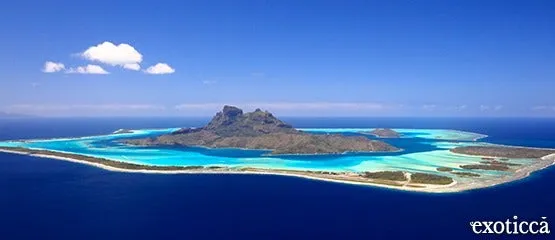
What Is a Tropical Island? Exploring Paradise on Earth
When we think of a tropical island, visions of turquoise waters, swaying palm trees, and golden sunsets often spring to mind. But a tropical island is more than just a postcard-perfect scene—it’s a complex ecosystem, a unique geographical formation, and a haven for cultural and recreational experiences. In this article, we’ll dive deep into what makes a tropical island special, the types of tropical islands, and why they continue to captivate travelers and scientists alike.
Understanding the Basics: What Defines a Tropical Island
At its core, a tropical island is a landmass surrounded by water, located within the Earth’s tropical zone—between the Tropic of Cancer and the Tropic of Capricorn. This positioning gives these islands their warm temperatures, abundant sunshine, and relatively stable climate year-round. Unlike temperate or polar islands, tropical islands thrive on humidity, rainfall, and rich biodiversity.
Key features of tropical islands include:
-
Warm climate year-round: Average temperatures usually range between 77°F to 86°F (25°C to 30°C).
-
Diverse ecosystems: Coral reefs, mangroves, rainforests, and coastal wetlands.
-
Abundant flora and fauna: Exotic flowers, tropical fruits, birds, and marine life.
-
Unique cultural and recreational appeal: From local cuisine to water sports, each island carries its own distinct vibe.
Personally, I remember visiting a small tropical island in the Caribbean where the gentle sway of coconut palms and the vibrant colors of fish in the coral reef made me feel like I had stepped into another world—a memory that still makes me smile.
Types of Tropical Islands
Not all tropical islands are created equal. Their formation, size, and ecological makeup can vary widely. Here’s a breakdown of the main types:
-
Volcanic Islands
Formed by volcanic activity, these islands often feature dramatic landscapes, mountains, and fertile soil. Examples include Hawaii and Reunion Island. -
Coral Islands
Built over thousands of years from coral reefs, these islands are usually flat with shallow lagoons and sandy beaches. The Maldives is a classic example. -
Barrier Islands
Long and narrow islands that run parallel to the mainland, protecting the coast from storms. They are common in the Caribbean and along the southeastern U.S. coast. -
Atolls
Ring-shaped coral islands surrounding a lagoon. They are often low-lying and fragile ecosystems. The Kiribati islands showcase atolls beautifully.
Here’s a simple comparison table to highlight their differences:
| Island Type | Formation Method | Landscape Features | Example |
|---|---|---|---|
| Volcanic | Volcanic eruption | Mountains, fertile valleys | Hawaii |
| Coral | Accumulated coral | Flat, sandy beaches, lagoons | Maldives |
| Barrier | Sediment deposition | Narrow, parallel to mainland | Outer Banks, USA |
| Atoll | Coral growth on reef | Ring-shaped, central lagoon | Kiribati |
Life on a Tropical Island
Life on a tropical island is a mix of natural beauty and daily adaptation to the environment. Residents often rely on fishing, agriculture, and tourism for their livelihoods. Many tropical islands have rich cultural traditions, including music, dance, and festivals, often inspired by the natural surroundings.
For example, on islands like Bali, Indonesia, traditional ceremonies coincide with agricultural cycles, reflecting a deep connection between humans and the tropical environment. In real-world scenarios, island communities must also navigate challenges like hurricanes, rising sea levels, and tourism management—all while maintaining their unique ecosystems.
Activities and Attractions
Tropical islands are hotspots for adventure and relaxation alike. Visitors often enjoy:
-
Snorkeling and scuba diving: Explore coral reefs teeming with marine life.
-
Beach relaxation: From powdery white sands to golden shores, there’s a beach for every mood.
-
Hiking and volcano trekking: Some volcanic islands offer spectacular trails and viewpoints.
-
Local cuisine and culture: Tropical fruits, fresh seafood, and island traditions provide an immersive experience.
The appeal is not just visual; tropical islands provide a sensory experience—warm sea breezes, the scent of salt and flowers, and the rhythmic sound of waves create an unforgettable atmosphere.
Environmental Importance
Beyond their aesthetic and recreational value, tropical islands play a crucial role in global ecology:
-
Biodiversity hotspots: Many species are endemic and cannot survive elsewhere.
-
Climate regulation: Mangroves and coral reefs act as carbon sinks and storm buffers.
-
Marine life nurseries: Shallow coastal waters serve as breeding grounds for fish and other sea creatures.
Protecting tropical islands is critical. Rising temperatures, ocean acidification, and human activity threaten delicate coral reefs and island habitats, making conservation efforts vital for both local communities and the planet.
Unique Perspective: More Than Just a Vacation Spot
While most people associate tropical islands with leisure, they offer lessons in resilience and harmony with nature. The way island communities adapt to limited resources, harness renewable energy, and preserve their ecosystems can inspire broader sustainable practices.
Visiting a tropical island is not just about escaping—it’s about experiencing a delicate balance between humans and nature. In fact, I once observed how a small Pacific island community carefully manages fishing quotas to prevent reef depletion. That balance between enjoyment and responsibility is what makes tropical islands truly remarkable.
Read More: Trans Siberian Railway: Ultimate Russian Train Journey
Conclusion
So, what is a tropical island? It’s more than sun, sand, and surf. A tropical island is a living, breathing ecosystem full of natural wonders, cultural richness, and lessons about coexistence with nature. Whether you are a traveler seeking adventure, a scientist studying biodiversity, or simply someone yearning for tranquility, tropical islands offer a unique experience that resonates deeply with both the body and the mind.
FAQs
Q1: Are all tropical islands hot and humid?
Not exactly. While most are warm, rainfall and humidity levels can vary depending on the island’s location and elevation.
Q2: What’s the difference between a tropical island and a regular island?
Tropical islands are specifically located within the tropics, featuring warmer temperatures, distinct ecosystems, and unique biodiversity.
Q3: Can you live year-round on a tropical island?
Yes, but island life requires adaptation to limited resources, seasonal storms, and sustainable practices.
Q4: Which tropical island is best for snorkeling?
The Maldives, Bora Bora, and Palawan in the Philippines are known for some of the world’s most stunning snorkeling spots.
Q5: How do tropical islands form?
They form through volcanic activity, coral growth, sediment deposition, or a combination of these processes, leading to diverse landscapes.