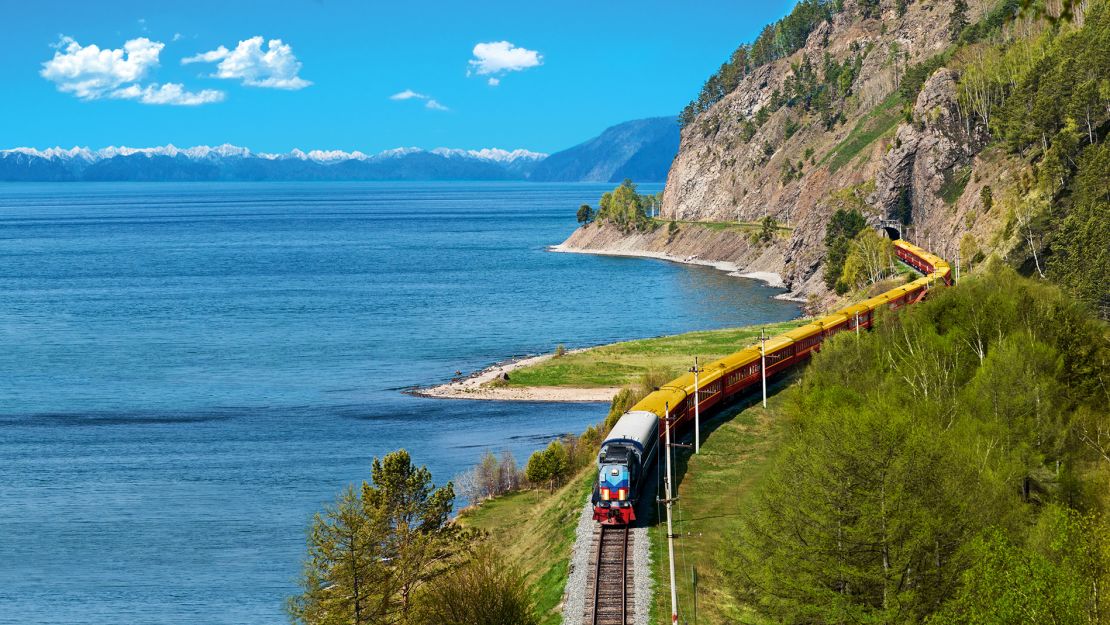
Exploring the Trans Siberian Railway: A Journey Across Time and Terrain
Embarking on the Trans Siberian Railway is more than just a train trip; it’s a voyage through history, culture, and breathtaking landscapes. Spanning over 9,000 kilometers from Moscow to Vladivostok, this legendary rail route is often regarded as the ultimate way to experience the vastness of Russia. Whether you are a seasoned traveler or someone seeking a bucket-list adventure, the journey offers a unique perspective of a country that bridges Europe and Asia.
The Legacy of the Trans Siberian Railway
Constructed in the late 19th and early 20th centuries, the railway was an engineering marvel of its time. It connected remote Siberian towns with major urban centers, facilitating trade, migration, and cultural exchange. Today, it stands as a symbol of human ingenuity and resilience, offering travelers a chance to traverse diverse terrains—from the icy tundras of Siberia to the bustling streets of Moscow.
Unlike other train journeys, this route provides an immersive experience, allowing passengers to witness the subtle changes in landscapes, climate, and architecture. Along the way, travelers encounter vast forests, serene lakes, and historic towns that have preserved their traditions over centuries.
Planning Your Trans Siberian Adventure
While the entire journey can take up to a week or more, there are multiple options for customizing your experience:
| Route Option | Duration | Highlights | Ideal For |
|---|---|---|---|
| Moscow to Vladivostok | 7–8 days | Full cross-country experience, Lake Baikal, Siberian landscapes | Adventure seekers, first-time travelers |
| Moscow to Beijing | 6–7 days | Crosses Mongolia, cultural exchange, Gobi Desert | Travelers interested in East Asia |
| Moscow to Ulaanbaatar | 4–5 days | Steppe scenery, Mongolian culture | Shorter trips, cultural enthusiasts |
| Saint Petersburg to Vladivostok | 8–10 days | Longer historical route, diverse cities | History lovers, photography enthusiasts |
This flexibility allows travelers to choose a route and schedule that matches their interests and time constraints. Personally, when I traveled from Moscow to Irkutsk, I was struck by how the landscape shifted from urban sprawl to endless pine forests, making me feel as though I had crossed centuries in just a few hours.
Life on the Train
The journey is as much about the people you meet as the scenery. Compartments range from luxury cabins with private bathrooms to more modest shared spaces. The communal dining cars are hubs of interaction, where locals, tourists, and fellow adventurers exchange stories and travel tips. Russian hospitality shines through, and sharing a meal while watching the Siberian sunset is an experience few can forget.
Travelers also have the opportunity to explore stations during longer stops. Small villages like Irkutsk or Ulan-Ude offer local markets, traditional crafts, and regional cuisine. These brief encounters enrich the journey, transforming it from a simple train ride into a cultural expedition.
Natural Wonders Along the Way
One of the railway’s most celebrated highlights is Lake Baikal, the world’s deepest freshwater lake. From the train, the lake glistens like a vast mirror, reflecting surrounding mountains and forests. In winter, the frozen surface becomes a spectacular ice field, while summer reveals calm waters ideal for excursions.
Siberia’s vast taiga, the endless stretches of birch and pine, creates a serene backdrop that contrasts sharply with the bustling stations. The rhythmic motion of the train combined with panoramic views provides a meditative experience, making it one of the few journeys where time seems to slow down naturally.
Comparing the Trans Siberian Railway with Other Iconic Train Journeys
Many travelers wonder how the Trans Siberian compares to other famous train trips. Here’s a simple comparison:
| Train Journey | Distance | Duration | Unique Feature |
|---|---|---|---|
| Trans Siberian | 9,300 km | 7–10 days | Cultural immersion across Russia |
| The Orient Express | 1,900 km | 2 days | Luxury and historic European route |
| Rocky Mountaineer | 1,200 km | 2–3 days | Stunning North American mountain scenery |
| Indian Pacific | 4,352 km | 3–4 days | Crosses the Australian Outback |
What sets the Trans Siberian apart is its sheer scale and diversity. No other train journey spans such distances while offering glimpses of multiple climates, cultures, and ecosystems in a single trip.
Tips for a Memorable Journey
-
Book Early: Popular routes fill up months in advance, especially luxury cabins.
-
Pack Smart: Essentials include warm clothing, entertainment, snacks, and a reusable water bottle.
-
Embrace the Local Culture: Learn a few Russian phrases; even simple greetings are appreciated.
-
Plan Stopovers: Cities like Yekaterinburg or Novosibirsk deserve a day or two for exploration.
-
Stay Flexible: Trains may experience delays, but this is part of the adventure and adds to the authentic experience.
Why Choose the Trans Siberian Railway?
What makes this journey truly special is its ability to blend adventure, culture, and relaxation seamlessly. Unlike air travel, which focuses on speed, the railway invites you to savor each moment. It’s a moving narrative of Russia’s vast landscapes and storied past—a journey that transforms travelers as much as it transports them.
From personal observation, the quiet hum of the train at night, coupled with snow falling outside the window, created a sense of reflection I rarely experience elsewhere. Every day brings a new sight, a new taste, or a new interaction, making it not just a trip, but a collection of vivid memories.
Read More: TtweakFlight Discount Code: Save on Travel with TravelTweaks
Conclusion
The Trans Siberian Railway is more than a transportation route; it’s an exploration of Russia’s soul. Its combination of history, natural beauty, and cultural richness makes it a once-in-a-lifetime journey. Whether you are seeking adventure, cultural insight, or a peaceful retreat from modern life, this railway offers a compelling reason to board and never forget the ride.
FAQs
Q1: How long does the full Trans Siberian journey take?
A: Typically 7–10 days from Moscow to Vladivostok, depending on stops and route.
Q2: What is the best time of year to travel?
A: Summer offers lush landscapes and warmer weather, while winter provides frozen vistas and a unique snowy charm.
Q3: Are there luxury accommodations on the train?
A: Yes, options range from private cabins with en-suite facilities to shared compartments for budget travelers.
Q4: Can I visit cities along the way?
A: Absolutely. Many travelers plan stopovers in cities like Irkutsk, Yekaterinburg, and Ulan-Ude for sightseeing.
Q5: Do I need a visa to travel the Trans Siberian Railway?
A: Foreign travelers generally need a Russian visa. If traveling via Mongolia or China, additional visas may be required.