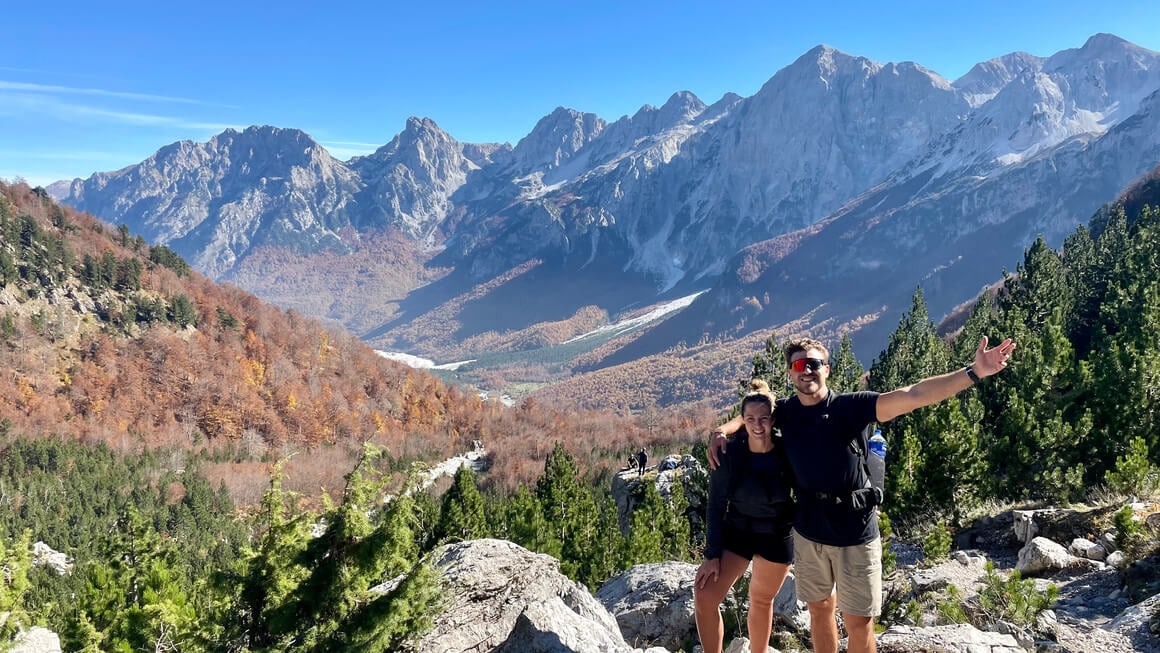
Backpacking through Europe is a dream adventure for many travelers. It offers a chance to explore diverse cultures, breathtaking landscapes, and iconic cities — all on a budget and at your own pace. Whether it’s wandering cobblestone streets in Prague, relaxing on the beaches of Portugal, or tasting local cuisine in Italy, Europe has something for everyone.
The key to a successful trip lies in careful planning, smart budgeting, and a willingness to embrace the unexpected. This guide will walk you through every step of backpacking through Europe, from preparation to travel tips, safety, and ways to make your experience unforgettable.
1. Plan Your Trip Carefully
Choose the Right Season
Europe experiences distinct seasons, each influencing cost and experience. Summer (June–August) brings warmer weather but also high tourist crowds and expensive accommodation. Spring (April–May) and autumn (September–October) are ideal for fewer crowds, moderate weather, and lower prices. Winter can be magical in some regions, like Austria or Switzerland, but daylight hours are short.
Set Your Travel Goals
Before you book anything, decide what kind of trip you want. Ask yourself:
-
Which countries do I want to visit?
-
What experiences are most important — culture, food, nightlife, nature?
-
How long will my trip last?
Focusing on a region or theme, such as Central Europe or coastal exploration, helps avoid overpacking your itinerary and reduces stress.
Budget Wisely
Creating a budget early is essential. Include accommodation, food, transport, activities, and an emergency fund. Europe varies greatly in cost; Eastern Europe is generally more affordable than Western Europe. Keep track of expenses with a budgeting app or spreadsheet to stay on track.
2. Create a Flexible Itinerary
Plan, but Stay Flexible
A rough plan works better than a strict schedule. Allocate a few days per city but leave room for spontaneous adventures and discoveries. Backpacking is as much about experiences as destinations.
Include Famous Sites and Hidden Gems
Visiting iconic destinations like Paris, Rome, or Barcelona is exciting, but lesser-known towns like Porto, Bruges, or Ljubljana offer unique experiences with fewer crowds. Balancing the two makes your trip richer.
Consider Festivals and Events
Traveling during local festivals can enhance cultural immersion. Oktoberfest in Germany, La Tomatina in Spain, or local music festivals are excellent opportunities to experience European culture firsthand.
3. Travel on a Budget
Use Local Transportation
Europe has excellent public transport. Trains, buses, metro systems, and regional passes are affordable and reliable. Consider rail passes for multiple countries or long-distance journeys to save money.
Affordable Flights and Buses
Budget airlines and long-distance buses offer cheap ways to travel between cities. Compare prices and book in advance for the best deals.
Eat Like a Local
Street food, local cafés, and grocery shopping reduce costs compared to tourist restaurants. Markets often offer fresh, cheap meals, perfect for travelers on a budget.
Take Advantage of Free Activities
Many cities offer free walking tours, free museum days, and cultural events. These activities provide insight into local life without draining your wallet.
4. Accommodation Options
Hostels
Hostels are ideal for backpackers. They are affordable, social, and often include kitchens, Wi-Fi, and communal spaces. Booking in advance is important in high-season cities.
Alternative Stays
Guesthouses, camping, or home rentals can be more affordable than hotels and offer a more authentic experience.
Safety and Comfort
Check reviews and choose accommodations with lockers, 24/7 reception, or female-only dorms if traveling solo. Safety should be a priority.
5. Pack Smart and Light
Essentials Only
Packing light saves money and stress. Bring versatile clothes, comfortable shoes, toiletries, and travel documents. Rolling clothes and using packing cubes maximizes space.
Tech and Security
Bring a universal adapter, power bank, offline maps, and an anti-theft bag or money belt for crowded areas. Protecting valuables is essential while traveling.
6. Stay Safe and Respect Local Culture
Be Aware of Risks
Pickpocketing and tourist scams are common in busy areas. Keep money and documents secure and stay aware of your surroundings.
Respect Laws and Customs
Different countries have unique rules, from alcohol consumption to public behavior. Understanding local culture helps avoid misunderstandings.
Travel Insurance
Insurance protects against emergencies, cancellations, and lost belongings. While it’s an extra cost, it offers peace of mind.
7. Enjoy the Journey
Backpacking is about discovery and connection. Meet locals, try new foods, explore offbeat places, and allow yourself slow days. Some of the best memories come from unplanned moments — wandering streets, striking up conversations, or finding a hidden café. Travel is not just seeing the world; it’s experiencing it fully.
Read More: 7 Best Things to Do in the Virgin Islands
Conclusion
Backpacking through Europe is an adventure that blends freedom, culture, and personal growth. Successful trips require planning, budgeting, and flexibility. Start by choosing the right season, setting a daily budget, and creating a balanced itinerary of iconic landmarks and hidden gems. Use affordable transportation, eat locally, and take advantage of free activities to stretch your funds. Pack smart, stay aware of safety, and respect local laws and customs. Most importantly, embrace spontaneity and connection — those unplanned moments often become lifelong memories.
Whether it’s meeting fellow travelers, wandering unknown streets, or enjoying a quiet sunset in a small town, the journey is as meaningful as the destinations. With preparation and an open mind, backpacking through Europe becomes more than a trip; it becomes a transformative experience full of stories, friendships, and unforgettable adventures.
FAQs
1. What is the best time to travel to Europe?
Spring and fall are ideal — mild weather, fewer crowds, and lower costs. Summer is busiest and most expensive.
2. How much should I budget per day?
Budget travelers can spend €50–€100 daily depending on country, season, and travel style.
3. Should I book hostels in advance?
Yes, especially in peak season. Booking early ensures availability and better rates.
4. What is the best way to travel between European countries?
Public transport is the easiest — trains, buses, and budget flights are cost-effective and reliable.
5. Is Europe safe for solo backpackers?
Generally yes, but stay cautious: secure belongings, respect local culture, and avoid risky areas at night.