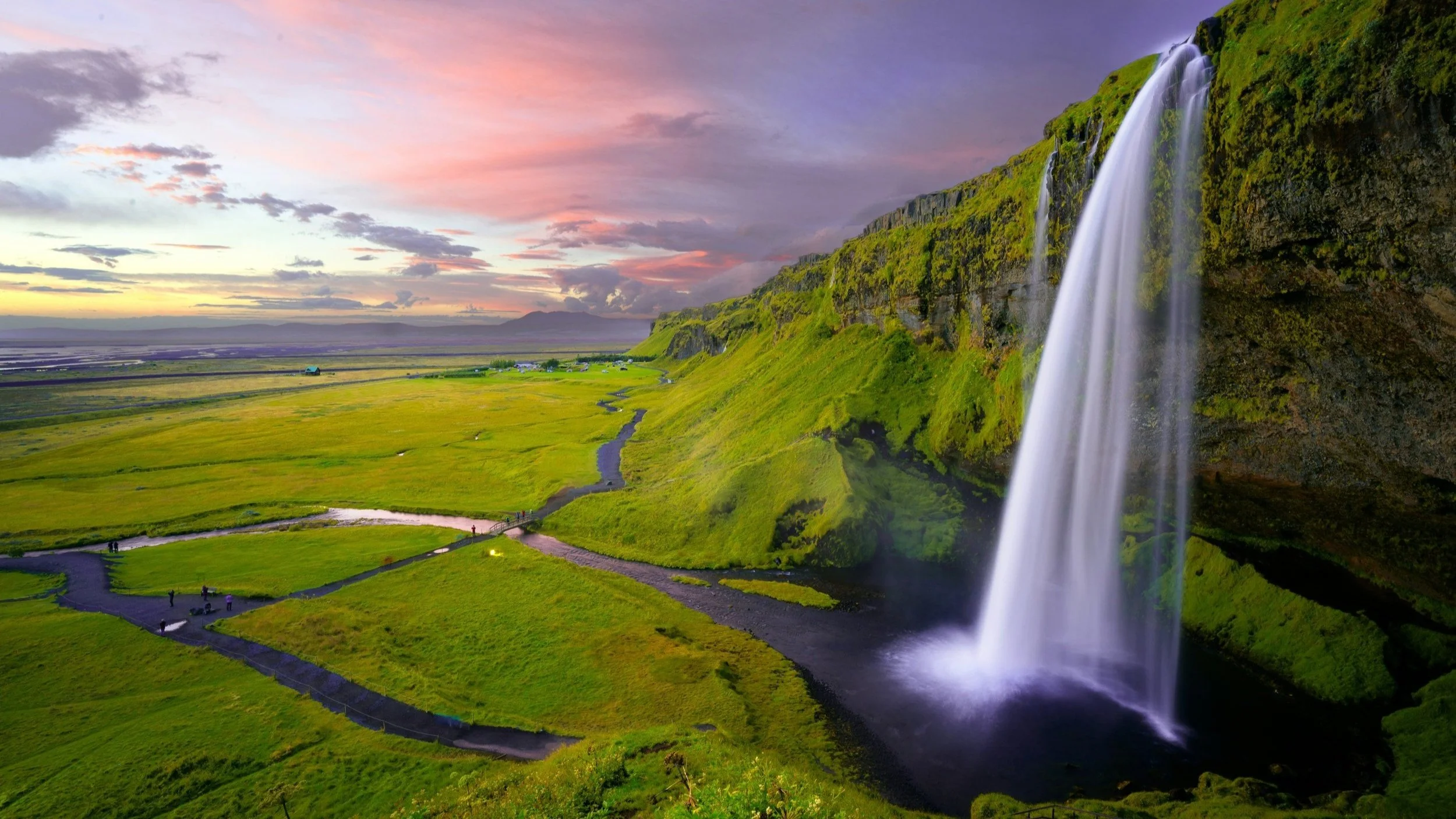
Planning a trip to Iceland can feel like trying to map out a dream that’s too big to fit on paper. From the thundering waterfalls to the mesmerizing northern lights, this island is a land of contrasts and raw beauty. Whether you’re a nature enthusiast, a photography lover, or someone seeking an escape from the daily grind, a well-structured Iceland travel itinerary can make all the difference.
I’ve personally traversed Iceland’s Ring Road, and the experience felt like stepping into another world—one where glaciers, volcanoes, and geothermal wonders coexist in perfect harmony. In this guide, we’ll break down a practical and unforgettable journey, blending adventure, comfort, and efficiency for up to 10 days of exploration.
Day 1–2: Reykjavik and the Golden Circle
Begin your journey in Reykjavik, Iceland’s quirky capital. Explore the colorful streets, vibrant coffee culture, and landmarks like Hallgrímskirkja and the Harpa Concert Hall. These two days allow you to acclimate, rent a car if you’re self-driving, and stock up on essentials for the road ahead.
Next, tackle the Golden Circle, Iceland’s most iconic route. Key stops include:
- Þingvellir National Park – Walk between tectonic plates and explore ancient Viking history.
- Geysir Geothermal Area – Watch Strokkur erupt every few minutes, a spectacle not to miss.
- Gullfoss Waterfall – Feel the raw power of one of Europe’s most stunning waterfalls.
A local tip: arriving early at Gullfoss avoids the crowds and gives you perfect photography light.
Day 3–4: South Coast Marvels
The south coast is a kaleidoscope of waterfalls, black sand beaches, and glaciers. Must-visit locations include:
- Seljalandsfoss and Skógafoss – Two iconic waterfalls, each with its unique charm.
- Reynisfjara Beach – Famous for black sand and basalt columns; be cautious of sneaker waves.
- Sólheimajökull Glacier – Consider a guided glacier hike for a firsthand icy adventure.
Here’s a quick comparison for planning convenience:
| Attraction | Best Time to Visit | Accessibility | Ideal Duration |
|---|---|---|---|
| Seljalandsfoss | Morning | Easy | 1 hour |
| Skógafoss | Afternoon | Easy | 1–1.5 hours |
| Reynisfjara Beach | Sunset | Moderate | 1–2 hours |
| Sólheimajökull Glacier | Late Morning | Moderate | 2–3 hours |
Day 5–6: Skaftafell and Jökulsárlón
Drive further east to Skaftafell National Park, part of Vatnajökull National Park. Hiking trails range from easy strolls to challenging glacier treks. The highlight is the Svartifoss Waterfall, framed by dramatic basalt columns.
A real-world scenario: while hiking near Svartifoss, I stumbled upon a group of photographers capturing the waterfall in golden sunset light—it was an Instagram-worthy moment that reminded me that Iceland rewards patience and curiosity.
Next, head to Jökulsárlón Glacier Lagoon. Floating icebergs create a surreal environment, and if you’re lucky, you might spot seals playing among the ice. Don’t miss Diamond Beach, where ice fragments glisten like gems on black sand.
Day 7–8: East Fjords and Northbound Adventures
The East Fjords are less crowded but no less breathtaking. Narrow roads wind past jagged mountains, quaint fishing villages, and endless fjords. Recommended stops:
- Seyðisfjörður – A charming town with colorful houses and a thriving arts scene.
- Djúpivogur – A peaceful fishing village perfect for tasting fresh seafood.
Heading north, the road leads to Mývatn, a geothermal wonderland. Explore:
- Hverir Geothermal Area – Bubbling mud pools and steam vents.
- Mývatn Nature Baths – A quieter alternative to the Blue Lagoon for relaxation.
Day 9–10: Akureyri and Return to Reykjavik
Akureyri, Iceland’s “Capital of the North,” offers cozy cafes, botanical gardens, and whale-watching excursions. Depending on the season, take a boat trip from Húsavík, often called the whale-watching capital of Europe.
Conclude your journey by returning to Reykjavik. If time allows, soak in the Blue Lagoon near Keflavik Airport for a rejuvenating farewell to the land of fire and ice.
Hidden Gems and Travel Wisdom for Iceland Explorers
Iceland is not just about sightseeing; it’s an experience that blends adventure, serenity, and unexpected encounters with nature. One advantage of planning your itinerary carefully is avoiding rushed drives and fully appreciating the country’s remote beauty, which often feels untouched by time.
Read More: Joie Travel System: Safe, Stylish & Convenient Choice
Conclusion
Crafting an Iceland travel itinerary can transform a vague idea of adventure into a structured, memorable journey. From the Golden Circle to the North’s geothermal wonders, this plan balances iconic highlights with hidden gems. Remember to remain flexible—sometimes the most magical experiences are unplanned. Whether you’re chasing waterfalls, glaciers, or the northern lights, Iceland rewards curiosity and a spirit of adventure.
FAQs
Q1: How many days are ideal for exploring Iceland?
A: A 7–10 day itinerary allows you to experience major sites comfortably without feeling rushed.
Q2: Is it better to rent a car or join guided tours?
A: Renting a car offers flexibility, especially for photographers and adventurers. Guided tours work well for those preferring convenience and local insights.
Q3: When is the best time to visit Iceland?
A: Summer (June–August) offers long daylight hours, while winter (November–February) is perfect for seeing the northern lights.
Q4: Are accommodations readily available along the Ring Road?
A: Yes, but booking in advance is recommended, especially during peak tourist season.
Q5: What essentials should I pack for Iceland travel?
A: Layers, waterproof gear, sturdy hiking shoes, and a camera with extra batteries. Iceland’s weather is unpredictable, so preparation is key.