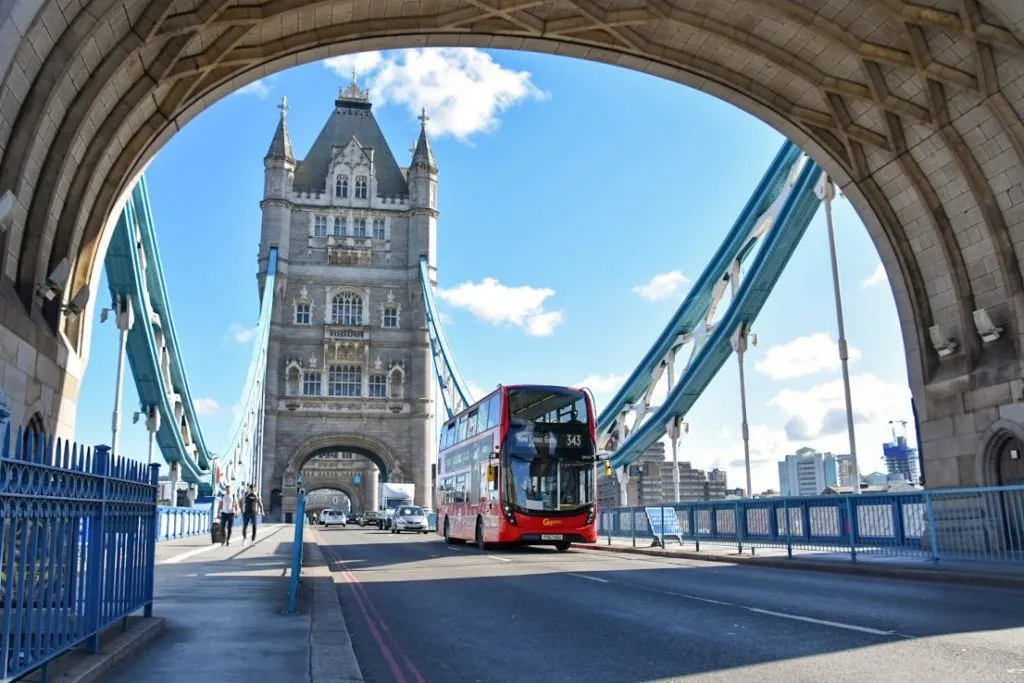
London, the capital of the United Kingdom, is one of the most vibrant and historically rich cities in the world. Its iconic landmarks, diverse culture, and world-class museums attract millions of visitors every year. However, London is also known for being an expensive city, with high accommodation costs, pricey attractions, and costly meals. Despite this reputation, visiting London on a budget is not only possible but can also be highly rewarding. By making smart choices regarding transport, accommodation, dining, and sightseeing, travellers can enjoy all the city has to offer without overspending
From free museums and galleries to affordable street food markets, there are countless ways to experience London affordably. This guide provides practical tips, daily budgeting strategies, and travel hacks, helping both first-time visitors and experienced travellers enjoy London fully while keeping expenses under control.
1. Plan Your Travel Costs Wisely
Affordable Flights
Flying into London doesn’t have to be expensive. Budget airlines often offer competitive fares, particularly if booked several months in advance. Being flexible with travel dates can reduce costs, as mid-week flights are usually cheaper than weekend options.
Seasonal Travel
Traveling in the shoulder seasons — late spring or early autumn — can help save money on flights and accommodation. Visiting during peak summer or holiday periods often results in higher costs and crowded attractions.
2. Budget Accommodation Tips
Where to Stay
Central London is convenient but pricey. Consider staying in Zones 3 or 4, near a Tube or train station, such as Stratford, Ealing, or Greenwich. These areas offer easy access to major sights while being significantly cheaper than the city center.
Hostels and Budget Hotels
Hostels and budget hotels in London provide both dormitory and private room options. Dorm beds range from £15–£40 per night, while private rooms typically cost £40–£80 per night. Many hostels offer kitchen facilities, allowing you to prepare meals and save money.
Alternative Options
Airbnb apartments, guesthouses, or shared accommodations can also be more affordable than hotels, especially for longer stays. Staying slightly outside the main tourist areas provides additional cost savings without compromising accessibility.
3. Save on Transportation
Oyster and Contactless Cards
London’s public transport is efficient, but using an Oyster card or contactless payment card helps cap daily travel costs. It is generally cheaper than buying single tickets and works on buses, the Tube, and even some trains.
Buses and Walking
Buses are usually cheaper than the Tube and provide a scenic view of the city while traveling. Many key attractions in central London are within walking distance of each other, making walking both cost-effective and enjoyable.
Bike Rentals
London’s bike rental scheme, known as Santander Cycles, allows affordable short-term rentals. Trips under 30 minutes are very economical, and biking offers a faster and more flexible way to explore the city.
4. Eat Well Without Overspending
Supermarket Meal Deals
UK supermarkets such as Tesco, Sainsbury’s, and Boots offer daily meal deals, including a sandwich or hot meal with a drink and snack for just £3–£5. These are perfect for budget-conscious travelers.
Street Food Markets
London’s markets, including Camden, Borough, and Broadway Market, feature diverse street food options from around the world. These meals are often delicious, filling, and much cheaper than sit-down restaurants.
Cheap Traditional Meals
Classic local dishes such as fish and chips, pie and mash, or inexpensive pub meals are great affordable options. Choosing eateries outside central zones usually reduces prices while still providing authentic experiences.
5. Free and Low-Cost Things to Do
Museums and Galleries
Many of London’s top museums and galleries are free to enter. This includes the British Museum, Natural History Museum, Science Museum, and Tate Modern. These attractions offer world-class exhibits at no cost, allowing budget travelers to experience culture and history without spending a penny.
Parks and Iconic Views
London is home to beautiful parks like Hyde Park, Regent’s Park, and Hampstead Heath. Visitors can also enjoy the sights of Buckingham Palace, Trafalgar Square, and the South Bank without paying for admission.
Discount Passes for Paid Attractions
For those who wish to visit paid attractions, discount passes and city cards can provide significant savings. Planning ahead and combining multiple sights into a single pass reduces overall costs.
6. Smart Itineraries and Daily Budgeting
Sample Budget Figures
A budget traveler in London might spend approximately £100–£160 per day. This estimate includes affordable accommodation, meals, transportation, and a mix of free and low-cost activities.
Money-Saving Strategies
-
Book flights and accommodations in advance.
-
Use public transport during off-peak hours.
-
Take free walking tours or self-guided tours.
-
Carry refillable water and snacks to reduce spending on convenience stores.
-
Prioritize free attractions and limit paid activities to essential experiences.
Planning Tips
Creating a daily itinerary helps avoid impulse spending and ensures that you make the most of free and inexpensive experiences. Balancing sightseeing with relaxation in parks or markets can enhance your experience while keeping costs manageable.
Read More: Mexico Travel Guide: Explore Culture, Beaches, and Adventure
Conclusion
London is often viewed as an expensive city, but with careful planning, it is entirely possible to enjoy the city on a budget. By choosing affordable flights, budget accommodations, and convenient transportation options, travelers can save significant money. Exploring free museums, galleries, and parks allows for cultural and historical experiences without spending a fortune. Eating at street food markets, supermarkets, and inexpensive local eateries provides satisfying meals while keeping dining costs low.
Flexibility is key: staying slightly outside central zones, traveling during off-peak times, and using discount passes or public transportation wisely can make a London trip both economical and enjoyable. With smart planning, travelers can experience iconic landmarks, vibrant neighborhoods, and diverse cultural offerings without overspending. A London adventure on a budget is not only possible but can also be deeply rewarding, offering memorable experiences that rival those of more expensive trips.
FAQs
-
How much money do I need per day in London on a budget?
Budget travelers usually spend around £100–£160 per day, including accommodation, food, transport, and some activities. -
Are there free things to do in London?
Yes, many museums, galleries, and parks are free, including the British Museum, Tate Modern, Hyde Park, and Regent’s Park. -
What is the cheapest way to get around London?
Using an Oyster card or contactless payment for buses and the Tube is the most cost-effective way to travel. -
Where should I stay to save money in London?
Staying in Zones 3 or 4, such as Stratford, Ealing, or Greenwich, offers cheaper accommodation while maintaining easy access to central London. -
Can I eat cheaply in London?
Yes, supermarkets, street food markets, and budget-friendly pubs allow visitors to eat well without overspending.