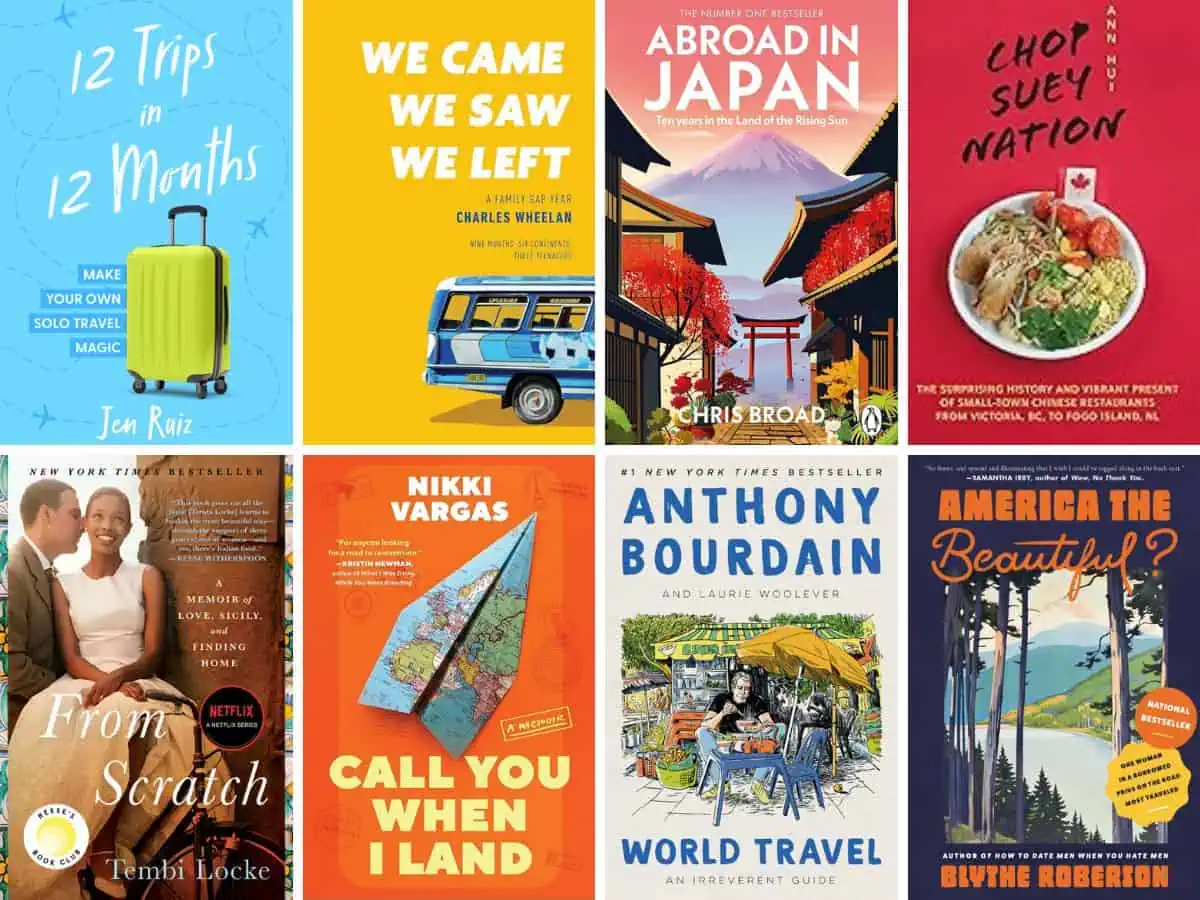
Travel isn’t just about packing a bag and hopping on a plane. Sometimes, the best journeys start in the comfort of your own home, with a book in hand. The best travel books transport readers to distant lands, immerse them in new cultures, and ignite the wanderlust that lies dormant in all of us. Whether you’re planning your next adventure or simply dreaming of places far away, these books offer inspiration, guidance, and stories that linger long after the last page is turned.
Why Travel Books Are Essential
Travel books go beyond itineraries and guidebooks. They capture the essence of a place: the sights, the sounds, the flavors, and the people. Reading about someone else’s journey can be as transformative as taking a trip yourself. A well-written travel book doesn’t just describe; it immerses you in an experience.
I remember reading a travel memoir about hiking in Patagonia, and I felt the icy wind on my face and the crunch of snow beneath my boots — all from my armchair. That’s the power of a great travel book.
Types of Travel Books
Not all travel books are created equal. Understanding the types helps you choose one that suits your interests:
-
Memoirs and Personal Journeys: Stories of individuals navigating the world, offering reflection, insight, and adventure.
-
Guidebooks: Practical, structured guides for planning trips, complete with maps, tips, and cultural advice.
-
Historical Travel Narratives: Travel meets history, exploring regions through time and culture.
-
Adventure Travel: High-energy, adrenaline-filled accounts of extreme adventures in remote locations.
Each type offers something unique, and the best ones often blend multiple styles — narrative, observation, and personal reflection.
Top Picks for the Best Travel Books
Here are some must-read titles that have inspired travelers worldwide:
-
“In Patagonia” by Bruce Chatwin – A literary classic capturing the wild, windswept landscapes of South America.
-
“Eat, Pray, Love” by Elizabeth Gilbert – A journey of self-discovery through Italy, India, and Indonesia.
-
“The Geography of Bliss” by Eric Weiner – Explores happiness across different countries with humor and insight.
-
“Vagabonding” by Rolf Potts – A practical yet philosophical guide to long-term travel and freedom.
-
“Wild” by Cheryl Strayed – A memoir of self-discovery on the Pacific Crest Trail.
Real-World Implications of Gaming Trends
Imagine a reader in New York dreaming about escaping the city’s constant pace. They pick up Eat, Pray, Love and find themselves immersed in the colors of Italian markets, the serenity of Indian ashrams, and the rich culture of Bali. Inspired by the narrative, they decide to take their own journey, planning a trip to places they once only imagined. Travel books often spark action, turning armchair exploration into real-world adventure.
Comparing Travel Books: Memoir vs. Guidebook
To better understand the value of different travel books, here’s a comparison:
| Feature | Memoir/Adventure | Guidebook |
|---|---|---|
| Purpose | Inspire, entertain, share personal experiences | Inform, plan, guide travelers practically |
| Writing Style | Narrative, descriptive, reflective | Instructional, structured, factual |
| Reader Experience | Emotional engagement, cultural insight | Efficient planning, logistical support |
| Ideal For | Dreamers, armchair travelers, adventure seekers | Practical travelers, planners, first-time visitors |
| Longevity | Timeless storytelling | Updates may be needed for current info |
Both types complement each other. While memoirs ignite passion, guidebooks provide the tools to transform dreams into reality.
Unique Value of Travel Books
The beauty of the best travel books is their ability to blend inspiration with knowledge. They don’t just tell you where to go; they teach you how to see the world differently. They encourage mindfulness, cultural empathy, and curiosity. Unlike social media posts or travel blogs that offer quick snapshots, a book provides depth, context, and perspective, giving you a richer experience before, during, and even after your travels.
How to Choose the Right Travel Book
When selecting a travel book, consider:
-
Your Purpose: Are you looking for adventure, cultural insight, or practical guidance?
-
The Destination: Some books focus on specific regions, while others span multiple continents.
-
Writing Style: Do you prefer a reflective memoir or a straightforward guide?
-
Length and Commitment: Longer books offer immersive experiences; shorter ones provide quick inspiration.
By matching your interests with the book’s style, you maximize both enjoyment and value.
Personal Experience: A Life-Changing Read
One of my most memorable experiences was reading Vagabonding before a solo trip to Southeast Asia. The book encouraged me to travel light, embrace uncertainty, and prioritize experiences over luxury. Applying those lessons made my journey not just enjoyable but transformative. Travel books have the power to change perspectives, turning ordinary trips into meaningful adventures.
Read More: Why Curaçao Is Worth Visiting: Beaches, Culture, and Adventure
Conclusion
The best travel books do more than document journeys — they inspire, educate, and transform the reader. Whether you prefer memoirs that transport you emotionally, guidebooks that provide practical tips, or a mix of both, these books are gateways to the world.
By reading travel books, you embark on countless adventures without leaving home and gain the courage, knowledge, and inspiration to pursue real-life journeys. They are timeless companions for dreamers, planners, and explorers alike.
FAQs
Q1: What are the best travel books for beginners?
Memoirs like Eat, Pray, Love or Wild offer immersive experiences, while guidebooks like Lonely Planet help with practical planning.
Q2: Can travel books replace real travel?
Not entirely. They can inspire and educate but the sensory experience of visiting a place is unique and irreplaceable.
Q3: Are there travel books for specific regions?
Yes. Many books focus on specific countries, continents, or cities, providing deeper cultural insight and local knowledge.
Q4: How do I choose between a memoir and a guidebook?
Memoirs offer inspiration and cultural insight; guidebooks offer practical advice. Combining both gives the best experience.
Q5: Do travel books get outdated?
Guidebooks may require updates for current travel info, but memoirs and adventure narratives remain timeless.