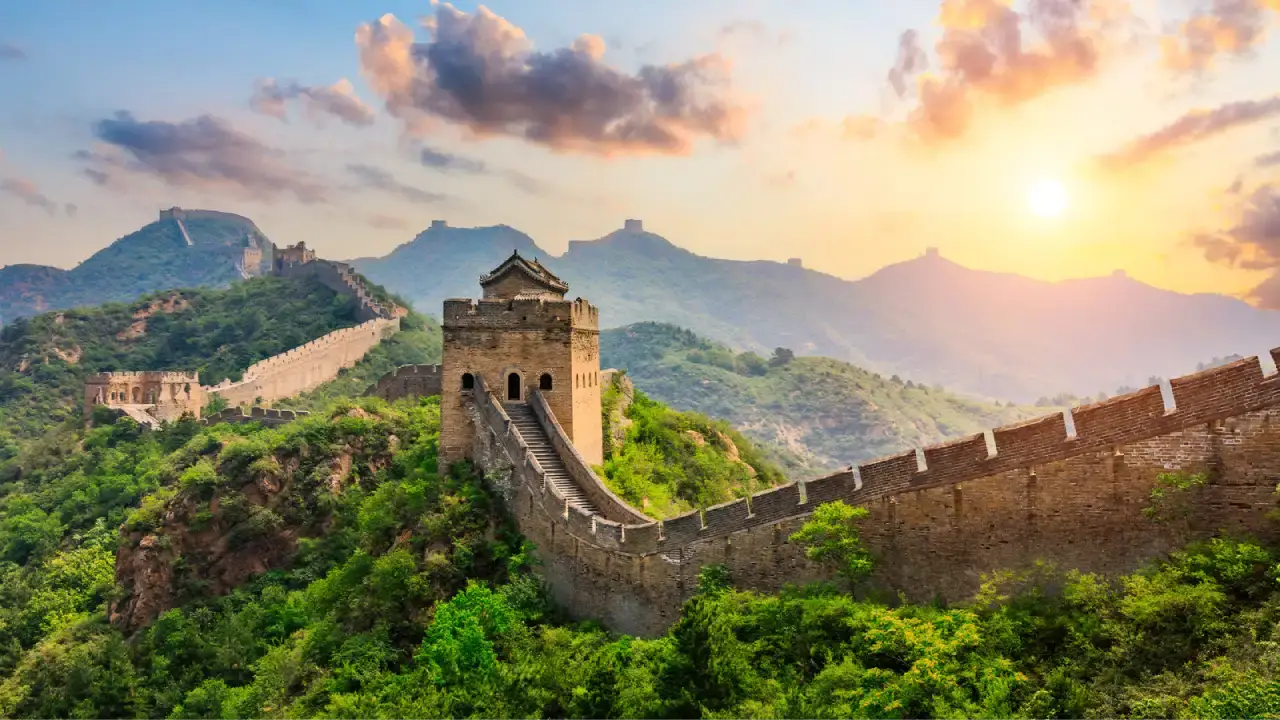
China, the world’s fourth-largest country, is a land of immense diversity — a place where ancient history and modern innovation exist side by side. From the Great Wall and Forbidden City to the futuristic skyline of Shanghai, China offers travelers a rich blend of heritage, natural beauty, and cultural depth.
As one of the oldest civilizations on earth, China’s story stretches back thousands of years, shaped by dynasties, philosophies, and artistic brilliance. Today, it’s a vibrant nation that captivates visitors with its timeless charm, vast landscapes, and incredible variety of experiences — from ancient temples and mountain villages to megacities and coastal wonders.
Geography & Climate
Stretching from the snowy peaks of the Himalayas to the tropical islands of Hainan, China’s geography is vast and varied. The country is home to deserts, grasslands, rivers, and highlands, offering endless opportunities for exploration.
China experiences four distinct seasons, but weather conditions differ across regions:
- North (Beijing, Xi’an): Cold winters, hot summers. Best visited in spring and autumn.
- South (Guangzhou, Guilin): Warm and humid year-round.
- West (Tibet, Xinjiang): Dry climate with extreme temperatures.
- East Coast (Shanghai, Hangzhou): Mild climate, occasional rain.
The best time to visit is from April to June and September to November, when temperatures are comfortable and skies are clear.
Top Destinations & Attractions
Beijing – The Imperial Capital
China’s capital, Beijing, is a living museum of dynastic glory and modern ambition.
- The Great Wall of China: One of the world’s greatest wonders, stretching over 21,000 km.
- Forbidden City: The grand palace complex of Ming and Qing emperors.
- Tiananmen Square: The heart of the nation and a symbol of modern China.
- Summer Palace: A tranquil retreat of lakes, gardens, and ancient pavilions.
Beijing blends historical grandeur with a contemporary vibe — from hutong alleyways to upscale restaurants and art districts.
Shanghai – The City of the Future
Shanghai is China’s economic powerhouse — a dazzling city of skyscrapers, art, and culture.
- The Bund: A waterfront promenade lined with colonial-era architecture.
- Pudong Skyline: Featuring the Shanghai Tower and futuristic landmarks.
- Yu Garden: A serene escape showcasing classical Chinese design.
- Nanjing Road: One of the world’s busiest shopping streets.
By night, Shanghai glows with energy — neon lights, fine dining, rooftop bars, and river cruises that capture its modern spirit.
Xi’an – Home of the Terracotta Army
Once the starting point of the Silk Road, Xi’an is one of China’s oldest cities.
- Terracotta Warriors and Horses: Over 8,000 life-sized soldiers guarding Emperor Qin Shi Huang’s tomb.
- Ancient City Wall: Perfect for cycling tours.
- Muslim Quarter: Famous for street food and cultural diversity.
Xi’an is where China’s ancient civilization comes vividly to life.
Guilin & Yangshuo – Nature’s Masterpiece
In southern China, Guilin is renowned for its breathtaking karst mountains and tranquil Li River. A river cruise or bamboo raft ride reveals surreal limestone peaks, charming villages, and mirror-like waters.
Nearby Yangshuo offers cycling routes, hiking trails, and traditional countryside life — an ideal destination for nature lovers and photographers.
Chengdu – The Home of Giant Pandas
The laid-back city of Chengdu, capital of Sichuan Province, is best known for its Giant Panda Breeding Center, where visitors can see China’s beloved national treasure up close.
Chengdu is also famous for its spicy cuisine, teahouses, and leisurely lifestyle.
- Must-try dish: Sichuan Hot Pot, full of bold flavors and peppery heat.
- Nearby attractions: Leshan Giant Buddha and Mount Emei, both UNESCO sites.
Tibet – The Roof of the World
High on the Himalayan plateau, Tibet offers a spiritual experience like no other.
- Lhasa: Home to the Potala Palace and Jokhang Temple.
- Mount Everest Base Camp: A bucket-list destination for adventurers.
- Namtso Lake: A sacred alpine lake with breathtaking views.
Tibet’s landscapes, monasteries, and deeply spiritual culture make it one of the most extraordinary regions on earth.
Hangzhou & Suzhou – Gardens and Water Towns
Known for their scenic beauty, Hangzhou and Suzhou showcase classical Chinese elegance.
- West Lake (Hangzhou): Poetic landscapes, ancient temples, and romantic boat rides.
- Suzhou: Famous for its UNESCO-listed classical gardens and silk industry.
Both cities reflect China’s artistic soul — tranquil, graceful, and timeless.
Hong Kong & Macau
Though politically unique, Hong Kong and Macau are integral to the Chinese travel experience.
- Hong Kong: A dynamic blend of skyscrapers, mountains, and shopping — from Victoria Peak views to street markets and world-class dining.
- Macau: The “Las Vegas of Asia,” known for its casinos, Portuguese heritage, and historic center.
Culture & People
Chinese culture is one of the world’s oldest, built upon Confucian values, family harmony, and respect for tradition. It influences everything from art and architecture to language and cuisine.
Travelers can experience:
- Calligraphy & Tea Ceremonies
- Martial Arts (Kung Fu, Tai Chi)
- Chinese New Year Festivals
- Temple Fairs and Lantern Celebrations
Despite regional differences, Chinese people share a strong sense of hospitality, making visitors feel welcome wherever they go.
Cuisine
Chinese cuisine is diverse, flavorful, and regionally distinct.
- Cantonese (Guangdong): Dim sum, roasted meats, and delicate soups.
- Sichuan: Spicy, bold dishes like mapo tofu and hot pot.
- Beijing: Home to the famous Peking Duck.
- Shanghai: Sweet and savory flavors, with dishes like xiaolongbao (soup dumplings).
Food is central to Chinese life, symbolizing unity, prosperity, and joy — and no trip to China is complete without a local meal shared around a round table.
Best Time to Visit
The best months are April–June and September–November, when the weather is pleasant and ideal for sightseeing.
Avoid the national holidays (especially Chinese New Year and Golden Week) if you prefer fewer crowds.
Travel Tips
- Currency: Chinese Yuan (CNY)
- Language: Mandarin (Putonghua); English is common in tourist areas.
- Transport: China’s high-speed rail network is efficient and scenic.
- Visa: Most travelers need a visa; check embassy requirements.
- Etiquette: Respect elders, use both hands when giving items, and avoid political discussions.
Why Visit China
From the Great Wall to the skyscrapers of Shanghai, from panda reserves to sacred mountains, China is a land of contrasts — ancient yet modern, vast yet intimate. Every province tells a different story, offering endless adventures and discoveries.
Whether you seek culture, history, nature, or cuisine, China is not just a destination — it’s an experience that stays with you forever.